essence_of_traditional_chinese_medicine_en
Phần 1
Essence of Traditional Chinese Medicine
Front cover. The title Essence of TRADITIONAL CHINESE MEDICINE is printed in orange capitals between two thin gold rules. Below the title sits a small gold emblem of a landscape seal, followed by the Chinese characters 中医 (Traditional Chinese Medicine). In the centre, a large orange medallion carries the white Chinese character 药 (medicine), encircled by fine line drawings of medicinal plants and herbs — ginseng roots, flowering stems, leaves, berries and tubers. At the foot of the cover are the publisher's logos: Asiapac Books (亚太图书) on the left and World Scientific on the right.
Phần 2
Essence of Traditional Chinese Medicine
Title page. The title is repeated in black capitals beneath the same thin rules and the same small gold landscape seal with the characters 中医, and the orange medallion with 药 is reproduced in grey above the imprint details.
Compiled by Asiapac Editorial
Editorial Consultants
Dr. Zhu Wenjun
Singapore College of Traditional Chinese Medicine, Singapore
Dr. Lin Yuan
Dr. Cheng Sim Kim
Illustrated by
Fu Chunjiang
Translated by
Y N Han
At the foot of the page are the logos of Asiapac Books (亚太图书) and World Scientific.
Phần 3
Trang -6
Published and distributed by
World Scientific Publishing Co. Pte. Ltd.
5 Toh Tuck Link, Singapore 596224
USA office: 27 Warren Street, Suite 401-402, Hackensack, NJ 07601
UK office: 57 Shelton Street, Covent Garden, London WC2H 9HE
Library of Congress Cataloging-in-Publication Data
Names: Zhu, Wenjun (Expert in Chinese traditional medicine), editor. | Lin, Yuan (Expert in Chinese traditional medicine), editor. | Cheng, Sim Kim, editor. | Fu, Chunjiang, 1974– illustrator.
Title: Essence of traditional Chinese medicine / edited by Wenjun Zhu, Yuan Lin, Sim Kim Cheng ; illustrated by Chunjiang Fu ; translated by Y.N. Han.
Other titles: Zhonghua yi yao jing cui. English
Description: New Jersey : World Scientific, 2018. | Reprint of: Essence of traditional Chinese medicine / compiled by Asiapac editorial ; illustrated by Fu Chunjiang ; translated by Y.N. Han. 2003.
Identifiers: LCCN 2018008793 | ISBN 9789813239180 (hardcover : alk. paper)
Subjects: | MESH: Medicine, Chinese Traditional | Graphic Novels
Classification: LCC R602 | NLM WB 17 | DDC 615.8/80951--dc23
LC record available at https://lccn.loc.gov/2018008793
British Library Cataloguing-in-Publication Data
A catalogue record for this book is available from the British Library.
Essence of Traditional Chinese Medicine. Published by arrangement with Asiapac Books Pte Ltd.
Copyright © 2003, 2018 by Asiapac Books Pte Ltd, Singapore
All rights reserved. This book, or parts thereof, may not be reproduced in any form or by any means, electronic or mechanical, including photocopying, recording or any information storage and retrieval system now known or to be invented, without written permission from the publisher.
For photocopying of material in this volume, please pay a copying fee through the Copyright Clearance Center, Inc., 222 Rosewood Drive, Danvers, MA 01923, USA. In this case permission to photocopy is not required from the publisher.
For any available supplementary material, please visit
http://www.worldscientific.com/worldscibooks/10.1142/10962#t=suppl
Typeset by Stallion Press
Email: enquiries@stallionpress.com
Printed in Singapore
Phần 4
Other Related Titles from World Scientific
- Essential Chinese Medicine (A 4-Volume Set)
- Volume 1: Restoring Balance
- Volume 2: Health Tonics
- Volume 3: Improving Blood Circulation
- Volume 4: Relieving Wind
- by Bao Chun Zhang and Yu Ting Chen
- ISBN: 978-981-3239-06-7 (Vol. 1)
- ISBN: 978-981-3239-09-8 (Vol. 2)
- ISBN: 978-981-3239-12-8 (Vol. 3)
- ISBN: 978-981-3239-15-9 (Vol. 4)
- Anecdotes of Traditional Chinese Medicine
- by Lifang Qu
- edited by Mary Garvey
- ISBN: 978-1-938134-99-9
- ISBN: 978-1-945552-02-1 (pbk)
- Tu Youyou's Journey in the Search for Artemisinin
- by Wenhu Zhang, Yiran Shao, Dan Li and Manyuan Wang
- translated by Junxian Yu
- ISBN: 978-981-3207-63-9
- ISBN: 978-981-3207-64-6 (pbk)
- Cancer Management with Chinese Medicine: Prevention and Complementary Treatments, Revised Edition
- by Rencun Yu and Hong Hai
- ISBN: 978-981-3203-88-4
- ISBN: 978-981-3231-85-6 (pbk)
- Ginseng and Ginseng Products 101: What are You Buying?
- by Hwee Ling Koh, Hai Ning Wee and Chay Hoon Tan
- ISBN: 978-981-4667-30-2
- ISBN: 978-981-4667-31-9 (pbk)
Phần 5
Publisher's Note
Traditional Chinese medicine has a long history, and it is known throughout the world for its unique methods of diagnosis and treatment. Some of the fundamental concepts of traditional Chinese medicine are already part of our ingrained habits. During the hot summer months, we drink herbal tea to cool down; when the weather turns cold, we consume tonics; when we feel flushed and dry in the mouth, we consume cooling foods; but when our lips and nails are pale, it is a sign of anaemia, so we consume foods that will replenish the blood....
It is our hope to make the world of traditional Chinese medicine accessible to everyone. The book explains the fundamental theories behind traditional Chinese medicine with the help of easy-to-understand diagrams, covers the methods of diagnosis and treatment, and introduces famous historical physicians who influenced the development of traditional Chinese medicine.
This book is the product of a collaborative effort on the part of the Asiapac editorial team to research and compile materials in consultation with authorities on traditional Chinese medicine. Special thanks go to Mr Zhu Wenjun, Dr Lin Yuan and Dr Cheng Sim Kim for their invaluable contributions.
We also wish to thank Mr Fu Chunjiang for his vibrant illustrations, Ms Y N Han for the translation and Mr Zhu Wenjun for writing the foreword. At the same time, we would like to thank Mr Huang Ruide for his assistance, Ms Wong Wan Ling for her editorial support and Ms Wu Li Bin for providing information on Chinese medical bodies in Singapore. Finally, we wish to thank the production team for their hard work that has made this publication possible.
Essence of Natural Cures: Explore the natural therapy systems of Indian origin, including ayurveda, siddha, unani, yoga, homeopathy and naturopathy.
ISBN 978-981-220-476-6
Enjoy a Life of Ease: Empower teens to build up their self-esteem, express their needs, create and communicate changes, and manage their emotions.
ISBN 978-981-229-421-0
Phần 6
Foreword
Traditional Chinese medicine is a treasure of the Chinese civilization and an unique aspect of Chinese science and technology, with a history going back thousands of years. The tireless efforts of our forefathers have helped it develop into a unique branch of medicine. Though it originated in China, traditional Chinese medicine is an asset to the human race. To benefit the greatest number of people, it has to go global.
It came to Singapore with the early Chinese immigrants. But that was only a spontaneous situation. With the development of Chinese medicine and government emphasis on the training and development of traditional Chinese medicine in the eighties and nineties, interest and confidence in traditional Chinese medicine increased. While some opted for overseas training, others stayed home to study this branch of medicine. It is with the purpose of acquainting Singaporeans with Chinese medicine that this book has been published. At the same time, it is also in keeping with the current trend of going 'back to nature'.
Essence of Traditional Chinese Medicine provides a comprehensive and in-depth coverage of traditional Chinese medicine. Topics ranging from theories, practical experience and traditional material to modern technology offer a good foundation for understanding traditional Chinese medicine. Diagrams and illustrations enhance understanding of the text. The practical aspect is made relevant and applicable; stories of famous physicians are put across in a lively manner. All these make this book an easy and informative read.
This book is not only for beginners or those who want a general guide to traditional Chinese medicine. It is also a good companion to families, with simple and effective tips to preserve health, underlining the importance of a healthy lifestyle, prevention of premature ageing and longevity.
Zhu Wenjun
Dean
TCM College (S) Pte Ltd
May 2003
Zhu Wenjun holds a Masters degree from China Pharmaceutical University and taught at Nanjing University of Traditional Chinese Medicine.
Phần 7
Contents
- The Concept and Theory Behind Chinese Medicine — 1
- Yin and Yang — 2
- Five Elements — 6
- The Premise of Chinese Medicine — 10
- Eight Principal Syndromes — 11
- The Viscera (the Internal Organs — Five Zang and Six Fu) — 12
- Qi (Vital Energy), Blood and Bodily Fluids — 14
- Main and Collateral Channels, Acupuncture Points — 15
- Endogenous and Exogenous Factors — 18
- How to Prevent Diseases — 23
- Methods of Diagnosis in Traditional Chinese Medicine — 27
- The Four Diagnoses — 28
- Diagnosis Through Observation — 29
- Auscultation and Olfaction Diagnosis — 33
- Diagnosis Through Interrogation — 35
- Diagnosis Through Pulse Taking and Palpation — 41
- Diagnosis Through Palpation — 46
- Diagnosis Through the Analysis of Excreta — 47
- Methods of Treatment in Traditional Chinese Medicine — 49
- Method One — Chinese Medicines — 50
- Method Two — Acupuncture and Moxibustion — 87
- Method Three — Massotherapy — 99
- Method Four — Diet Therapy — 104
- Method Five — Psychotherapy — 114
- Method Six — Qigong — 126
- Special Treatments — 131
Phần 8
Trang -1
- Famous Physicians — 139
- Medical Ethics — 140
- Bian Que — 141
- Hua Tuo — 146
- Zhang Zhongjing — 151
- Sun Simiao — 156
- Zhu Danxi — 161
- Li Shizhen — 166
- Ancient Female Physicians — 171
- Modernization of Chinese Medicine — 173
- Appendix — 179
- Chinese Medicine Resources — 182
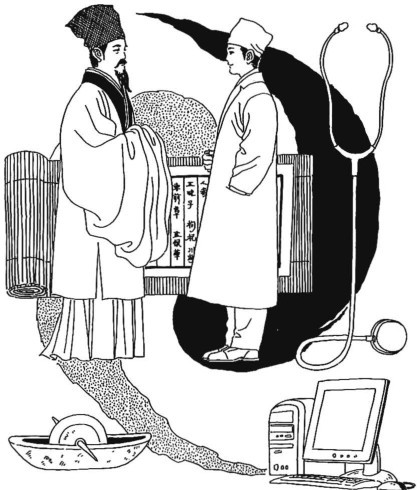
Phần 9
Prologue
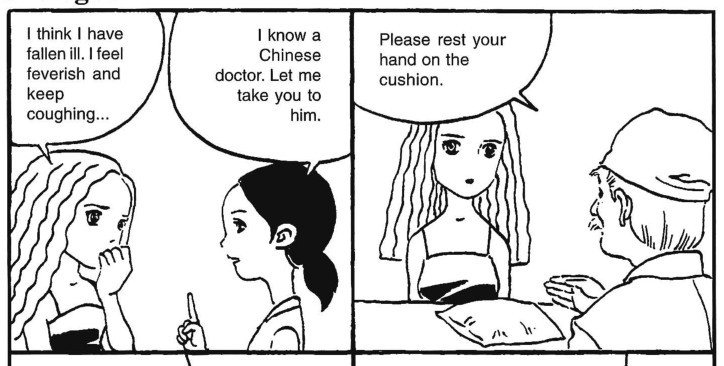
"I think I have fallen ill. I feel feverish and keep coughing..."
"I know a Chinese doctor. Let me take you to him."
"Please rest your hand on the cushion."
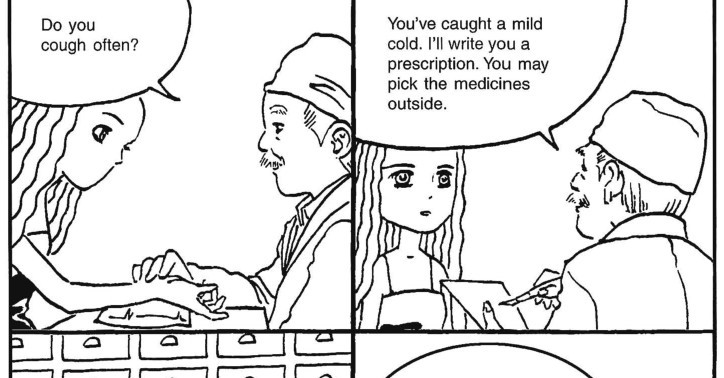
"Do you cough often?"
"You've caught a mild cold. I'll write you a prescription. You may pick the medicines outside."
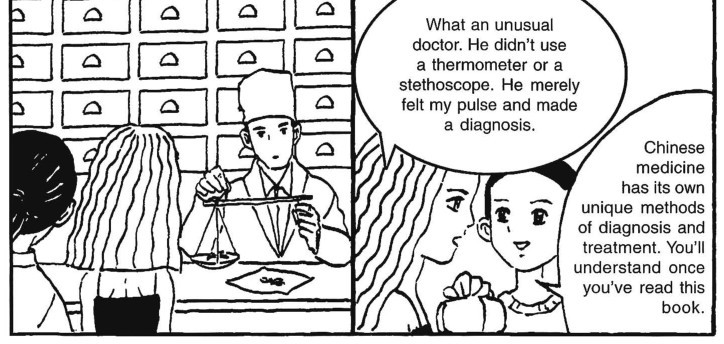
"What an unusual doctor. He didn't use a thermometer or a stethoscope. He merely felt my pulse and made a diagnosis."
"Chinese medicine has its own unique methods of diagnosis and treatment. You'll understand once you've read this book."
Phần 10
The Concept and Theory Behind Chinese Medicine
The art of Chinese medicine has a history that goes back a few thousand years. It integrates the concepts of yin and yang, five elements, and the union of man and nature in Chinese philosophy into a unique theory and system that stands as one of a kind in the medical world. Its outstanding therapeutic efficacy has also gained widespread recognition.
Phần 11
Yin and Yang
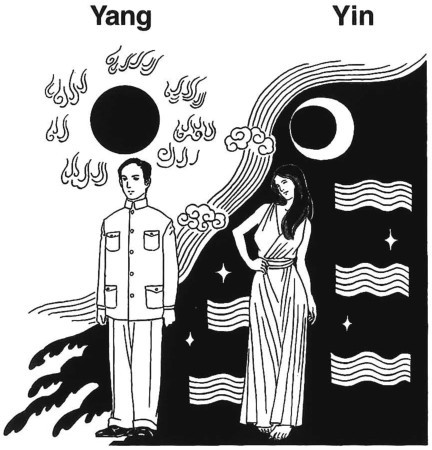
Everything in creation is categorised into yin (vital essence) and yang (vital energy). For example, in the celestial system, the moon is yin while the sun is yang. In the human system, females are yin while males are yang. The interaction of yin and yang induces changes and causes life on earth to proliferate. Yin and yang complement each other. Together, they trigger off changes in the universe and gives rise to abundant life.
Fire and water are the signs of yin-yang, reflecting its basic characteristics. Water is cold, restrictive and is relatively stagnant. It is yin in nature. Fire is hot, stimulates and feeds, and is relatively active. It belongs to the yang category.
Basic traits of yin-yang:
Yin: Passive, descending, internal, has a form, cold, dark, suppresses, yielding.
Yang: Active, rising, external, formless, warm, bright, stimulates, firm.
Yin and yang cannot stand alone, nor can they exist in an unequal state. For example, the right side means there is a left side. Left and right have to co-exist. It is a complementary and restrictive relationship. They harmonise with and balance each other.
Phần 12
Application in Chinese medicine
- When a person's yin and yang are in balance, there is good health.
- When the yin and yang are not in balance, there is ill health.
- When yin and yang leave the body, death comes.
The makeup of the human body is also categorized into yin and yang:
- The upper body is yang; the lower body is yin.
- The exterior is yang; the interior is yin.
- The back is yang; the chest and abdomen are yin.
- The heart, liver, spleen, lungs and kidneys are yang; the stomach, gallbladder, intestines and bladder are yin.
Phần 13
Ailments may be classified as yin and yang as well:
| Yin Syndrome | Yang Syndrome | |
|---|---|---|
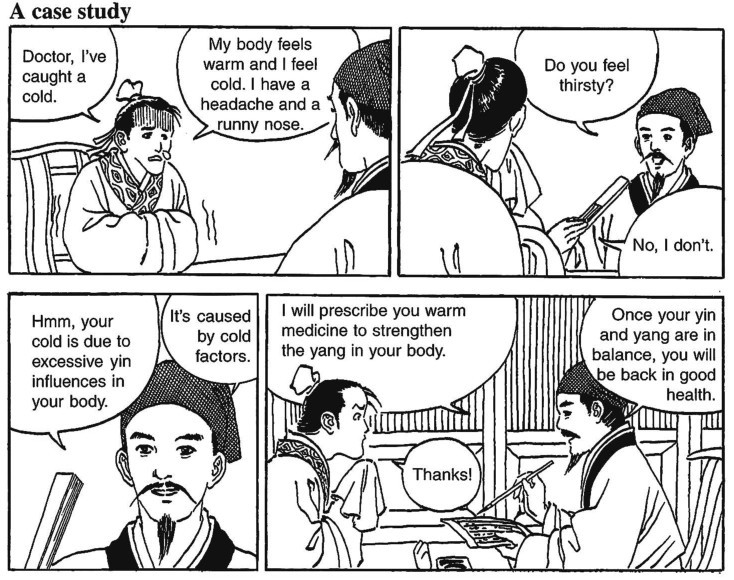
| Causes | Excessive yin influences. | Excessive yang influences. |
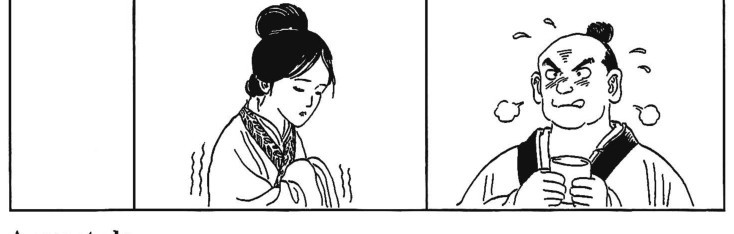
| Symptoms | Pallor, sensitivity to cold, body feels cold to the touch, fatigue, lack of thirst, prefers warm drinks, passes a lot of clear urine, thin stools. | Flushed face, bloodshot eyes, body feels warm to the touch, dry mouth, prefers cold drinks, passes yellow urine, dry and hard stools. |

Phần 14
Trang 5
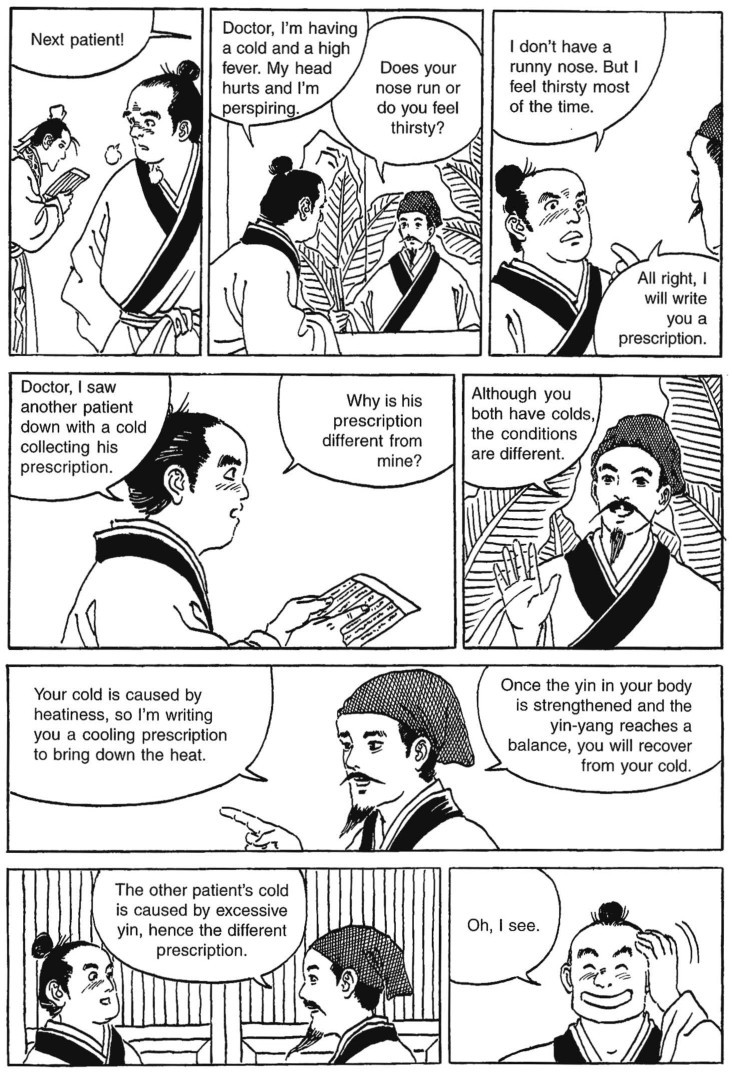
- Doctor: "Next patient!"
- Patient: "Doctor, I'm having a cold and a high fever. My head hurts and I'm perspiring."
- Doctor: "Does your nose run or do you feel thirsty?"
- Patient: "I don't have a runny nose. But I feel thirsty most of the time."
- Doctor: "All right, I will write you a prescription."
- Second patient: "Doctor, I saw another patient down with a cold collecting his prescription."
- Second patient: "Why is his prescription different from mine?"
- Doctor: "Although you both have colds, the conditions are different."
- Doctor: "Your cold is caused by heatiness, so I'm writing you a cooling prescription to bring down the heat."
- Doctor: "Once the yin in your body is strengthened and the yin-yang reaches a balance, you will recover from your cold."
- Doctor: "The other patient's cold is caused by excessive yin, hence the different prescription."
- Patient: "Oh, I see."
Phần 15
Five Elements
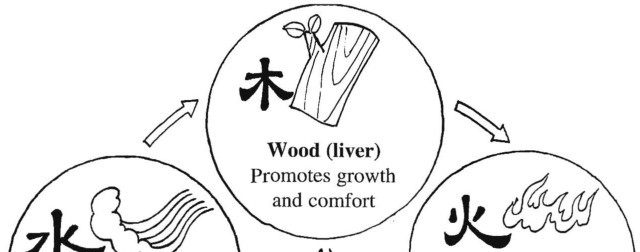
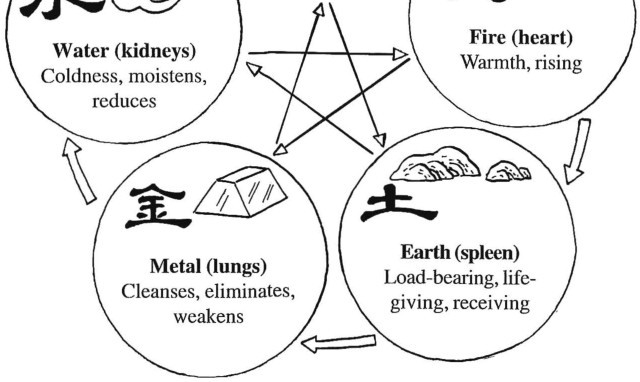
The five elements refer to metal, wood, water, fire and earth. The ancient people believed that the physical universe was made up of the five elements. The five elements support and oppose one another, thus maintaining the balance in the eco-system.
Chinese medicine also uses the five elements to explain the human body:
| Element | Organ | Qualities |
|---|---|---|
| Wood (木) | liver | Promotes growth and comfort |
| Fire (火) | heart | Warmth, rising |
| Earth (土) | spleen | Load-bearing, life-giving, receiving |
| Metal (金) | lungs | Cleanses, eliminates, weakens |
| Water (水) | kidneys | Coldness, moistens, reduces |
Phần 16
The constructive and inhibitive relationships among the Five Zang, or vital organs.

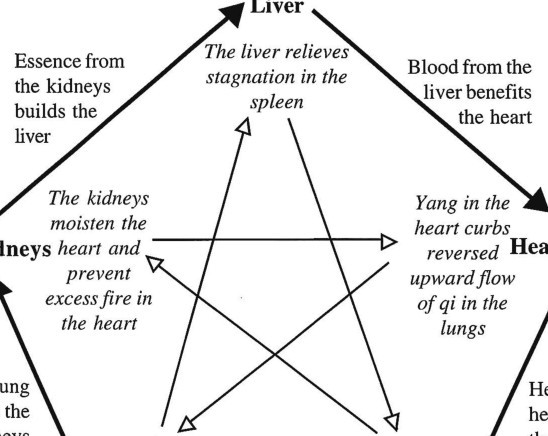
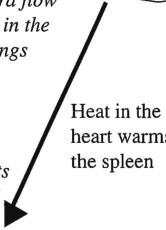
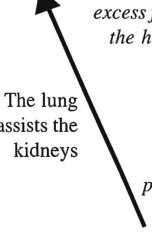
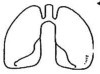
- Solid line — the constructive relationships
- Thin line — the inhibitive relationships
Phần 17
The Five Zang support and inhibit one another
If one organ is infected or suffers internal injuries, ailments will arise. If no treatment is rendered, it will affect the other organs. This is an inhibiting relationship: Anger will affect and hurt the liver. The liver belongs to the wood element. Wood inhibits earth. Hence a highly-charged liver will unbalance the digestive functions of the spleen. The liver will in turn affect the kidneys (earth and water balance each other), becoming a vicious circle.
If one organ is not functioning properly, boosting the functions of other related organs will help the ailing organ resume normalcy. This is a constructive relationship. An example: Treating an ailment of the lungs may begin with a prescription of tonics for the spleen. The lungs belong to the metal element while the spleen belongs to the earth element; therefore a strong spleen will benefit the lungs as earth generates metal.
Phần 18
Categorisation of Objects and Phenomena According to the Five Elements
| Wood | Fire | Earth | Metal | Water | |
|---|---|---|---|---|---|
| Nature | |||||
| Seasons | Spring | Summer | Late Summer | Autumn | Winter |
| Directions | East | South | Center | West | North |
| Climate | Wind | Summer Humidity | Dampness | Dryness | Coldness |
| Changes | Germinate | Grow | Transform | Harvest | Store |
| Color | Green | Red | Yellow | White | Black |
| Flavors | Sour | Bitter | Sweet | Pungent | Salty |
| Tones | Jiao | Zheng | Gong | Shang | Yu |
| Human Body | |||||
| Five Senses | Eye | Tongue | Mouth | Nose | Ear |
| Zang Fu | Liver | Heart | Spleen | Lung | Kidney |
| Gall Bladder | Small Intestine | Stomach | Large Intestine | Urinary Bladder | |
| Tissue | Tendon | Vessel | Muscle | Skin, Hair | Bone |
| Emotions | Anger | Joy | Thinking | Melancholy | Fear |
| Sound | Shout | Laugh | Sing | Cry | Mourn |
Phần 19
The Premise of Chinese Medicine
Chinese medicine sees the human body as the sum of various parts that are linked to one another. Every organ, main and collateral channel, qi and blood flow does not function independently. Rather, they are interdependent. Hence, when there is a change to any one part, the other parts will be affected as well. In the diagnosis of ailments, the body is treated as a whole. External observation will assist in the diagnosis of internal ailments. Any treatment that follows should consider the interrelationships before it is recommended.
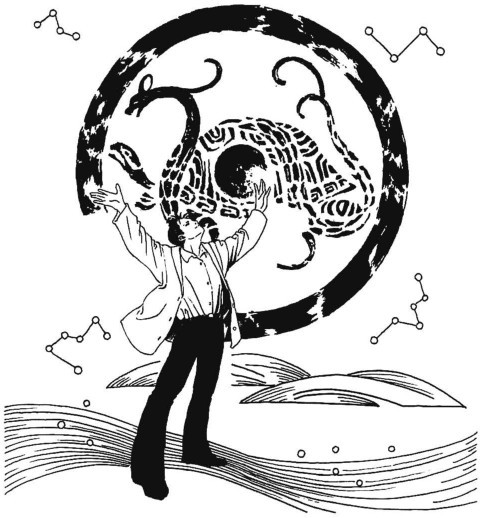
Natural factors like changes in the climate, time of the day, geographical locations affect human biological activities, bodily changes as well as the diagnosis and treatment of ailments to a certain extent. Nature is therefore regarded as part of the human makeup. They are interlinked.
Phần 20
Eight Principal Syndromes
In traditional Chinese medicine, illnesses can be grouped into 'Eight Principal Syndromes': Yin-Yang, Exterior-Interior, Cold-Heat and Deficiency-Excess.
The primary syndrome among the Eight Principal Syndromes. Exterior, Heat and Excess belong under Yang; Interior, Cold and Deficiency belong to Yin. (Yin-Yang will be explained further in the following pages).
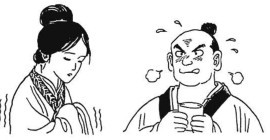
Some illnesses move from the surface into the interior. An illness at the exterior stage is trifling and is easily treated.
Once an illness invades the interior, it means the illness has become serious.
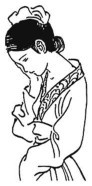
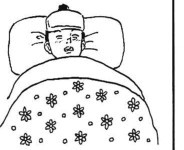
The symptoms of cold are cold limbs, clear urine and pallor. The syndromes of heat include a flushed face, warm body, high irritability and constipation.
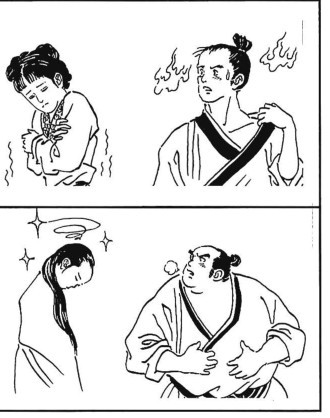
Deficiency is marked by deficiency in qi and blood, a weak constitution, loss of weight, giddy spells etc. Excess is marked by symptoms such as rapid breathing, irritability and constipation.
Phần 21
The Viscera (the Internal Organs — Five Zang and Six Fu)
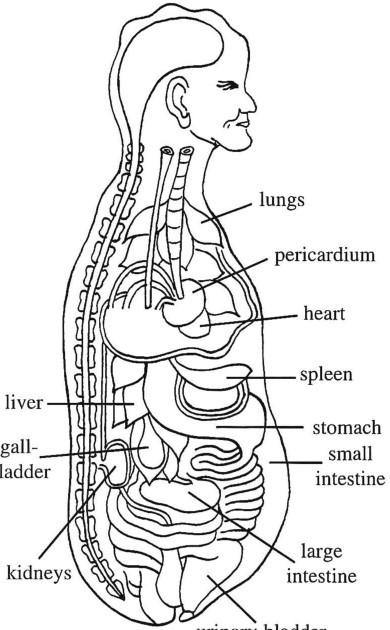
The viscera are the internal organs in a human body. They are classified into five zang organs and six fu organs:
The five zang organs are: heart, liver, spleen, lungs and kidneys.
The six fu organs are: stomach, small intestine, large intestine, gallbladder, urinary bladder and Triple Energiser.
The five zang organs generate life and are the reservoirs of vital energy and the essence of life.
The six fu organs take in excesses and transform water and nutrients without storing them.
The five zang and six fu organs (the viscera) are one system with corresponding yin and yang balances.
| Five Zang (Yin) | Six Fu (Yang) |
|---|---|
| Heart | Small intestine |
| Liver | Gallbladder |
| Spleen | Stomach |
| Lungs | Large intestine |
| Kidneys | Urinary bladder |
| *Pericardium with its blood vessels | Triple Energiser |
\Pericardium with its blood vessels: also known as *shan zhong, it refers to the membrane (pericardium) surrounding the heart. It serves to protect the heart.
Phần 22
Trang 13
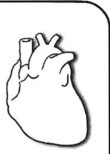
Controls activity and function of viscera.
Circulates blood and qi in the body, transporting nutrients to other parts of the body.
Perspiration is known as the fluid of the heart.
When the heart functions well and there is ample blood and fluids, one has rosy cheeks; when there is deficiency of blood and fluids, the face turns pale.
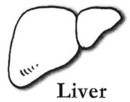
Stores and regulates blood volume.
Regulates the flow of qi, which affects the emotions.
The soul and the spirit have the blood as their foundation.
As the liver stores blood, it also stores the soul.
Deficiency of yin and blood in the liver or excess of yang in the liver will cause irritability in a person.
Sufficient blood in the liver will show in strong and pink nails; insufficient blood in the liver will show in thin, soft and pale nails.
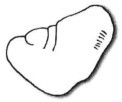
Controls digestion and transport: Helps digest and absorb nutrients to be distributed through the body. Also transports bodily fluids and maintains fluid balance.
Regulates the flow of blood in the blood vessels: Helps nourish the limbs and muscles. A healthy spleen will mean strong limbs and muscles. Controls the flow of blood in the arteries and veins. Prevents bleeding.
Ample qi and blood will show in red and lustrous lips; deficiency of blood in the spleen will result in pale lips.
In charge of qi. Take in fresh air and expel carbon dioxide and other gases to maintain metabolism.
Regulate the movement of fluids and qi in the body; a fall directs qi downwards to the kidneys and urinary bladder to maintain the normal flow and expulsion of bodily fluids.
All blood in the body flows through the lungs to exchange fresh and stale air before travelling to other parts of the body.
Healthy skin reflects good lung function and is more resistant to pathogens.
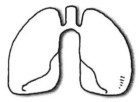
Store the essence of the five zang and six fu organs. It is the basis of life that keeps life activity going.
Regulate water metabolism and control the distribution and expulsion of water and maintain water metabolism within the body.
Thick and glossy hair reflect young and healthy kidneys, while hair loss reflects weak and old kidneys.
Phần 23
Qi (Vital Energy), Blood and Bodily Fluids
Qi, blood and bodily fluids are the primary components that make up and sustain the human body. They are the basis on which the normal function of all the organs in the human body depend.
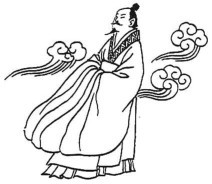
The vital energy is the basic element of life in a human body. Our vital energy is constantly circulating, rising, falling, getting expelled and being absorbed. We call these movements the 'qi mechanism'. The 'qi mechanism' refers to the increase, decrease and movement of qi, ie the physiological action of qi. A balanced qi mechanism maintains normal physiological activities. When the qi is out of balance, as when blockage in the qi flow results in a steep increase in the levels of qi and pent-up qi, it will lead to illnesses.
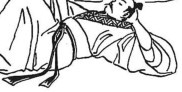
The circulation of blood in the vessels serves to provide nutrients and moisture to the organs. This maintains normal physiological activities. A glowing complexion, glossy hair and firm muscles indicate a healthy blood circulation. The reverse will be manifested in symptoms such as giddy spells, a sallow complexion, dry hair, dry skin, forgetfulness and unconsciousness.
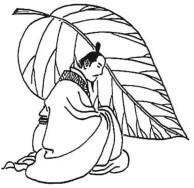
The bodily fluids comprise fluids from the various organs and normal bodily secretions. These fluids keep the internal organs moist and may also transform into blood. Hence, an excessive expenditure of bodily fluids will lead to weak qi and blood circulation. Certain conditions like vomiting, diarrhoea and profuse perspiration will also lead to the depletion of bodily fluids. At the same time, shortness of qi, a pallid complexion and heartburn may manifest.
Phần 24
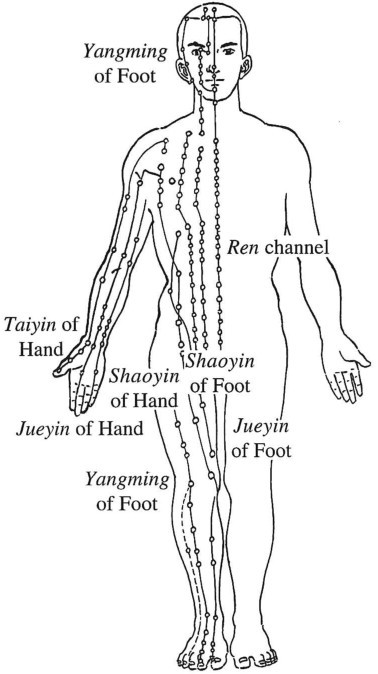
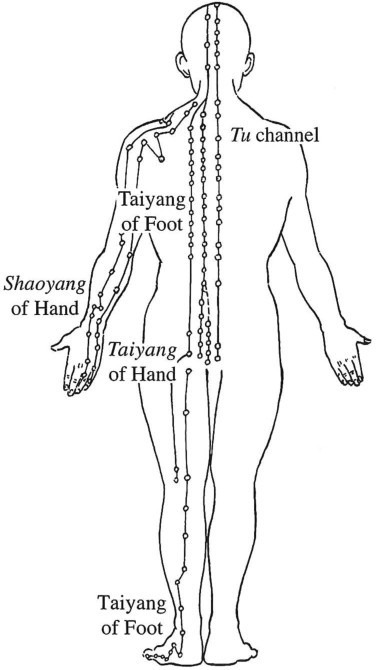
Main and Collateral Channels, Acupuncture Points
The main and collateral channels transport qi and blood, connects the organs, limbs and joints and are the interface between the exterior and the interior. The main and collateral channels have their designated order and related organs. They are able to reflect any ailment associated with the relevant organs.
Phần 25
A Summary of the Channels and Collaterals
- The Channels and Collaterals
- Channels (meridians)
- Twelve Meridians
- Three yin meridians of the hand
- Lung meridian of Hand Taiyin
- Pericardium meridian of Hand Jueyin
- Heart meridian of Hand Shaoyin
- Three yang meridians of the hand
- Large intestine meridian of Hand Yangming
- Triple Energiser meridian of Hand Shaoyang
- Small Intestine meridian of Hand Taiyang
- Three yin meridians of the foot
- Spleen meridian of Foot Taiyin
- Kidney meridian of Foot Shaoyin
- Liver meridian of Foot Jueyin
- Three yang meridians of the foot
- Stomach meridian of Foot Yangming
- Gallbladder meridian of Foot Shaoyang
- Bladder meridian of Foot Taiyang
- Branches of the Twelve Meridians — the largest branches from the Twelve Meridians
- Eight Extra Meridians — Governing Vessel, Conception Vessel, Thoroughfare Vessel, Belt Vessel, Yin Heel Vessel, Yang Heel Vessel, Yin Link Vessel and Yang Link Vessel
- Collaterals
- Fifteen Main Collaterals — Lique, Tongli, Neiguan, Zhizheng, Pianli, Waiguan, Feiyang, Guangming, Fenglong, Gongsun, Dazhong, Ligou, Changqiang, Jiuwei and Dabao
- Superficial Collaterals — subdivided small branches of the meridian or capillaries
- Tertiary Collaterals — collaterals lying just beneath the skin surface
Twelve Meridians: Also known as twelve regular meridians, each meridian corresponds to a zang or fu organ.
Eight Extra Meridians: No direct link to the zang and fu organs. They are supplementary to the twelve regular meridians.
Fifteen Main Collaterals: The larger of the collaterals in the body.
Branches of the Twelve Meridians: Supplementary passage to the twelve regular meridians for the flow of qi in the meridians.
Phần 26
Main and collateral channels and acupoints
The main and collateral channels transport qi and blood, connect the organs, limbs and joints and are the interface between the exterior and the interior throughout the body. The main and collateral channels have their designated order and related organs. They are able to reflect any ailment associated with the relevant organs.
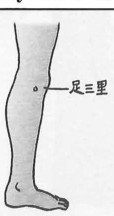
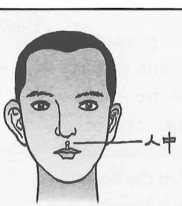
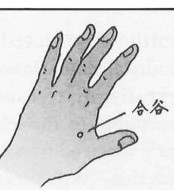
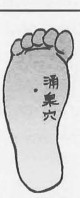
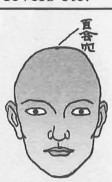
An acupoint is a node where bundles of nervous tissue intersect. There are 720 acupoints in the human body, of which 108 are vital acupoints. Certain ailments may be treated via the stimulation of acupoints.
| Acupoint | Treats |
|---|---|
| Zusanli Acupoint | Indigestion, abdominal pains, diarrhoea, gastric ailments and high blood pressure. |
| Renzhong Acupoint | Coma/unconsciousness. Also swollen faces and backaches as well. |
| Hegu Acupoint | Facial ailments. It also relieves headaches, toothaches, sore throats, colds, fevers etc. |
| Tongquan point | Headache, shock, partial paralysis, heat strokes, ringing in the ear, kidney infections, female ailments and diseases of the reproductive system. |
| Mingmen point | Impotency, low sperm count, weak limbs, deficiency of yang in the kidneys, backaches, ear diseases etc. |
| Baihui point | Headaches, dizziness, insomnia, neuroses, stroke and loss of speech, low blood pressure etc. |

Phần 27
Endogenous and Exogenous Factors
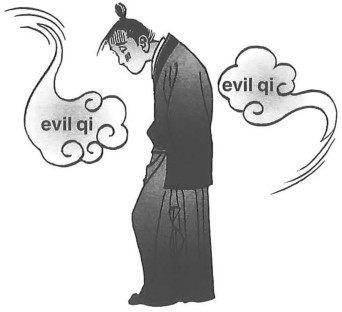
Endogenous factors refer to excessive emotional changes. Traditional Chinese medicine recognises seven types of emotions, which will be addressed in a later chapter.
Health is affected by a person's emotional state. Hence, a person who is mentally distressed will be more susceptible to the assault of 'evil qi'. That's why traditional Chinese medicine holds that, "With positive qi in the body, evil qi will be unable to wreak havoc".
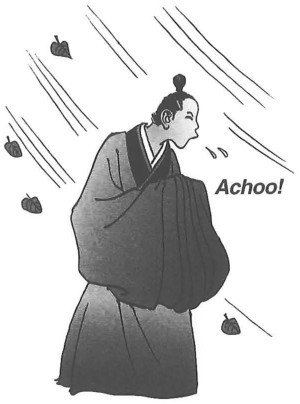
Exogenous factors refer to environmental influences such as weather and climatic changes. There are six recognised atmospheric influences: wind, cold, summer heat, dampness, dryness and fire. These six atmospheric influences are unique to each season.
Sudden weather changes will cause the six atmospheric influences to go out of sync, as when the weather unexpectedly turns cold during spring or warm during winter. As the human body fails to cope with the sudden weather change, various ailments will arise.
Phần 28
Trang 19
Wind occurs mostly in springtime although all the four seasons have their windy spells. Wind is the main culprit behind many ailments. As wind is mobile, evil qi like cold, dryness, dampness and heat will penetrate the human body to cause problems like colds and rheumatism.
Cold occurs during winter when air temperature decreases. Cold is evil yin which can harm yang. When the body is affected by cold, symptoms like fever, lack of perspiration and headache will manifest.
Summer heat during the hot summer season may cause dizzy spells, cold sweat and cold hands and feet. They are symptoms of heatstroke.
Dampness is caused by increased humidity in the air. In rainy seasons, the ground becomes damp. People fall ill easily.
Dryness occurs in autumn when humidity is low. Dryness causes dry throat and mouth, among other ailments.
Fire is caused by heat. Wind, cold, summer heat and dryness may all lead to fire. Symptoms include high fevers, a ruddy complexion, emotional distress, thirst, etc.
Phần 29
Neither Endogenous Nor Exogenous
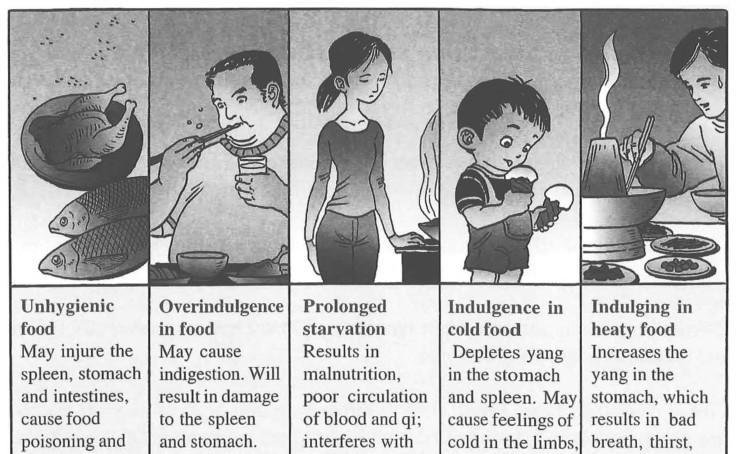
As the saying goes, "We are what we eat". Our diet is also one of the prime causes of many ailments.
| Unhygienic food | Overindulgence in food | Prolonged starvation | Indulgence in cold food | Indulging in heaty food | |
|---|---|---|---|---|---|
| May injure the spleen, stomach and intestines, cause food poisoning and allow parasites into the body. | May cause indigestion. Will result in damage to the spleen and stomach. | Results in malnutrition, poor circulation of blood and qi; interferes with development at puberty. | Depletes yang in the stomach and spleen. May cause feelings of cold in the limbs, diarrhoea and abdominal pains. | Increases the yang in the stomach, which results in bad breath, thirst, constipation etc. |
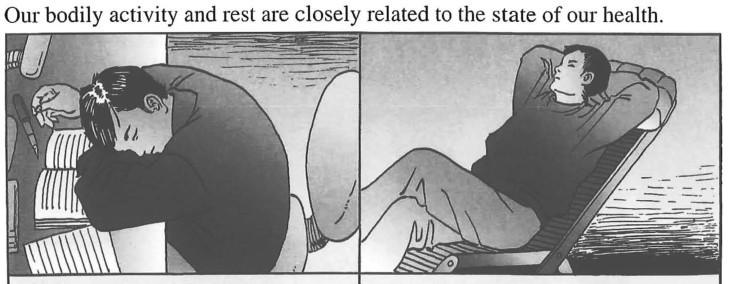
Our bodily activity and rest are closely related to the state of our health.
| Over-exhaustion | Over-idleness |
|---|---|
| Over-exertion of our physical and mental states will cause ailments such as mental fatigue, forgetfulness, weight loss, insomnia, and heart palpitations. | An idle and a sedentary lifestyle will lead to certain ailments like lethargy, poor appetite, low stamina, and weight gain. |
Phần 30
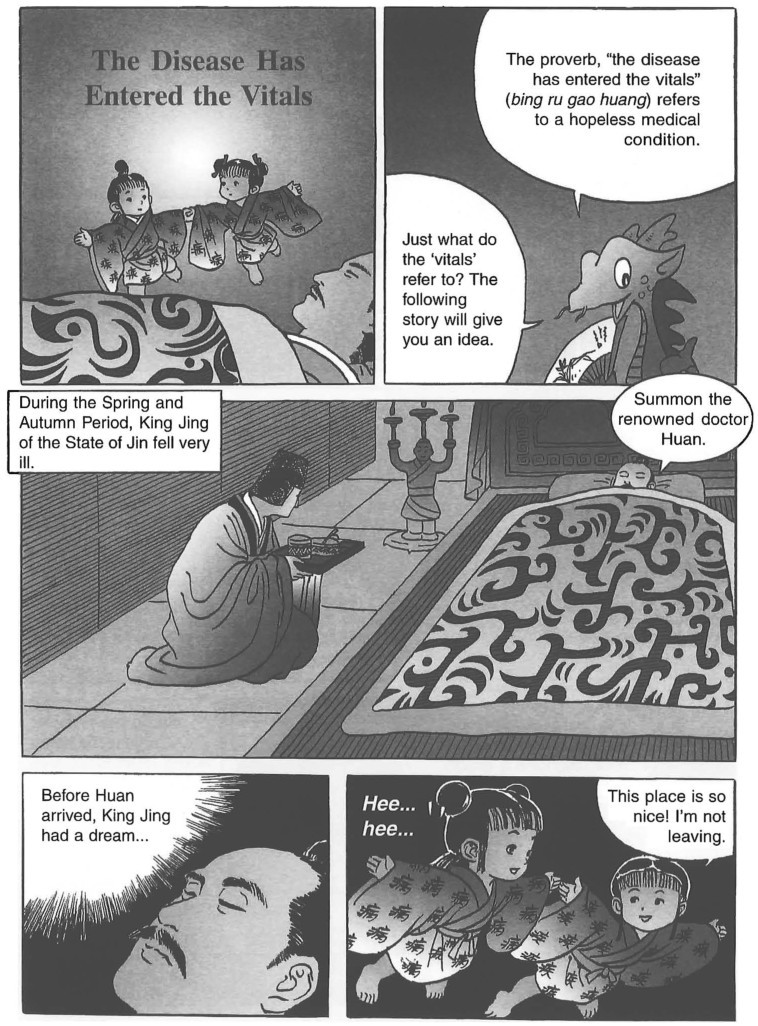
The Disease Has Entered the Vitals
The proverb, "the disease has entered the vitals" (bing ru gao huang) refers to a hopeless medical condition.
Just what do the 'vitals' refer to? The following story will give you an idea.
During the Spring and Autumn Period, King Jing of the State of Jin fell very ill.
Summon the renowned doctor Huan.
Before Huan arrived, King Jing had a dream...
Hee... hee...
This place is so nice! I'm not leaving.
Phần 31
Trang 22
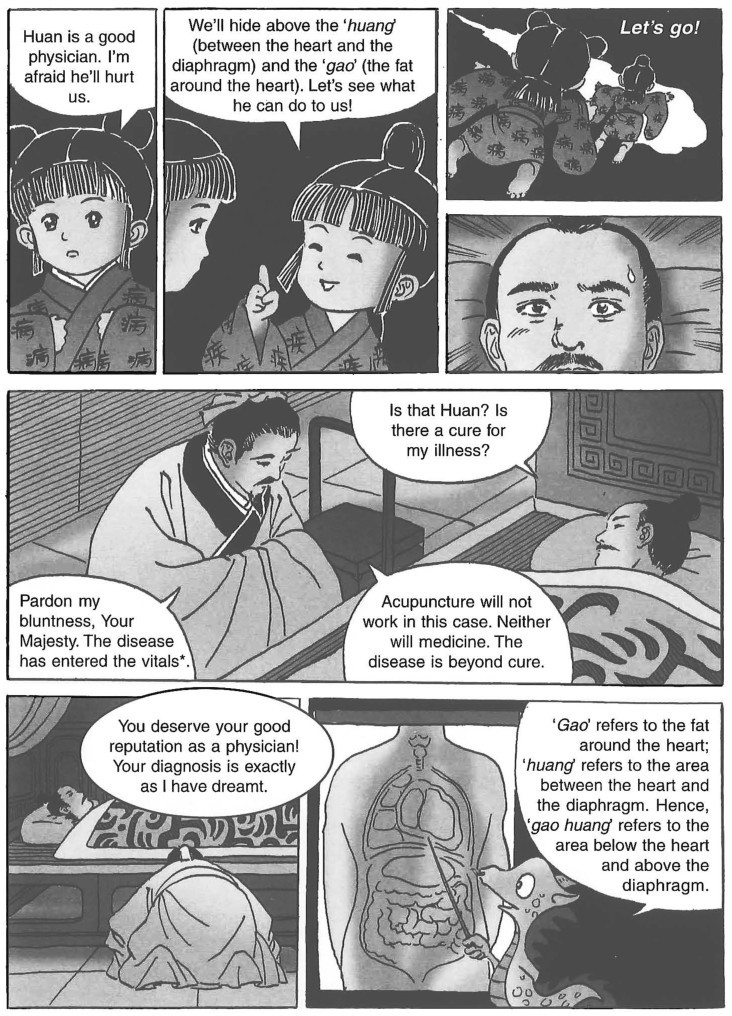
Huan is a good physician. I'm afraid he'll hurt us.
We'll hide above the 'huang' (between the heart and the diaphragm) and the 'gao' (the fat around the heart). Let's see what he can do to us!
Let's go!
Is that Huan? Is there a cure for my illness?
Pardon my bluntness, Your Majesty. The disease has entered the vitals*.
Acupuncture will not work in this case. Neither will medicine. The disease is beyond cure.
You deserve your good reputation as a physician! Your diagnosis is exactly as I have dreamt.
'Gao' refers to the fat around the heart; 'huang' refers to the area between the heart and the diaphragm. Hence, gao huang refers to the area below the heart and above the diaphragm.
\* bing ru gao huang
Phần 32
How To Prevent Diseases
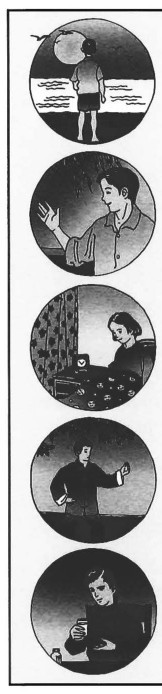
Illness is caused by evil qi. Falling ill is like a battle between good and evil. Hence, to prevent illnesses, we need to build up the positive energy in our bodies to prevent the invasion of negative energy.
Insufficient positive energy is one of the major causes of diseases. Cultivating positive energy will strengthen the constitution and increase resistance level, maintain good health and prolong life. How do we cultivate positive energy? Here are a few ways:
1. Adapt to the ways of nature: The human body and nature share a close relationship, hence the need for the body to be in harmony with nature. "Yang is strong in spring and summer; yin is built in autumn and winter". This knowledge should make it difficult for diseases to invade us.
2. Acknowledge the importance of mental well-being: Keep a happy and cheerful disposition. Our physical body is affected by our mental health. Staying happy will keep us healthy.
3. Pay attention to diet and lifestyle: A balanced diet and regular lifestyle with appropriate rest and activity will leave one with abundant energy and a healthy body.
4. Strengthen the physique: Exercises like qigong, taijiquan and wushu are ways to boost blood circulation, strengthen muscles and bone and improve strength.
5. Preventive aids: Innoculation and moderate ingestion of vitamins and herbal tonics will also help build immunity and boost resistance to pathogens.
Phần 33
Combating evil qi
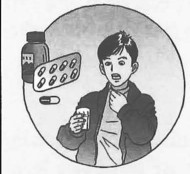
When evil qi enters the body, one falls ill. Avoidance of evil qi will reduce the occurrence of ailments.
Below are ways to prevent or bring ailments under control:
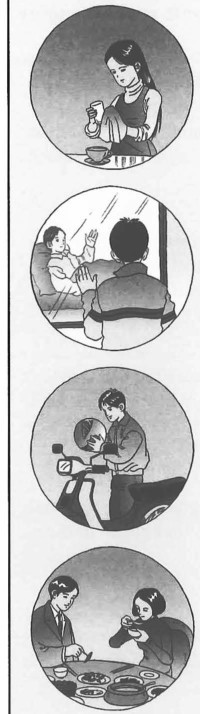
1. The use of drugs to destroy agents of diseases: Application of medicated creams, cleansing and disinfection of infected areas, ingestion of drugs to destroy the cause of diseases.
2. Personal hygiene: Pathogens often lurk in our surroundings. Food hygiene, clean water and surroundings will prevent viruses and bacteria from multiplying.
3. Avoiding sources of infection: Avoid direct contact with someone who is infectious to prevent the disease from spreading.
4. Prevention of accidents and injuries: The immunity level will drop when hurt or injured, hence the chances of catching a disease will increase.
5. Proper preparation and handling of food: We are what we eat. Eating is a daily activity. Food gives our body the energy to carry out our daily activities. But if the food is not prepared or handled properly, it may cause illness instead.
Phần 34
Traditional Chinese Medical Science (The Skill of Qi and Huang)
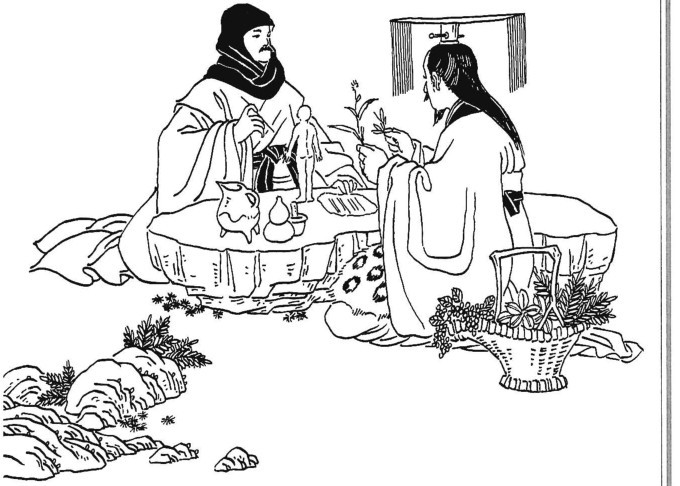
Traditional Chinese medical science is also known as The Skill of Qi and Huang. Qi and Huang refer to two persons — Huang Di (Yellow Emperor) and Qi Bo. Huang Di is the ancestor of the Chinese people. Legend has it that he founded Chinese traditional medicine. Qi Bo, learned in medical science, was a subject of Huang Di. As they were the earliest proponents of Chinese medical theories which laid the foundation for Chinese medicine, people began to use 'Qi Huang' to refer to Chinese medical science.
Phần 35
The Treasure of Chinese Medical Science — The Yellow Emperor's Medicine Classic
Any discourse on Chinese medical science will inevitably mention The Yellow Emperor's Medicine Classic.
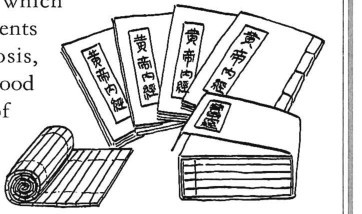
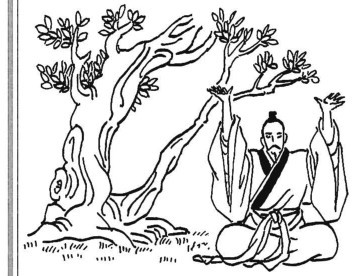
Compiled during the Warring States Period, this work is a collection of the medical anecdotes and theories of many ancient physicians. The famous Yellow Emperor's Medicine Classic was the earliest compilation which explained human physiology, ailments and their treatments, diagnosis, prevention and the maintenance of good health through an understanding of yin-yang and the five elements. It laid the foundations of Chinese traditional medicine on which later theories were based.
There are two parts to The Yellow Emperor's Medicine Classic — Plain Questions and Canon of Acupuncture. In all, there are 18 scrolls and 162 chapters.
Plain Questions examines human puberty, the relationship between man and nature, principles and methods of maintaining good health, the four methods of diagnosis and the prevention and cure of ailments.
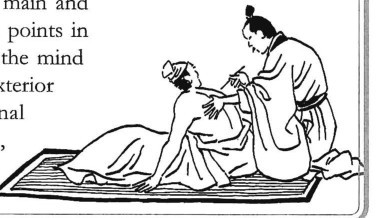
Canon of Acupuncture introduces the main and collateral channels and acupuncture points in the human body, the link between the mind and physical ailments, explores the exterior of the human body and its internal organs, various body and health types, acupuncture etc.
Phần 36
Methods of Diagnosis in Traditional Chinese Medicine
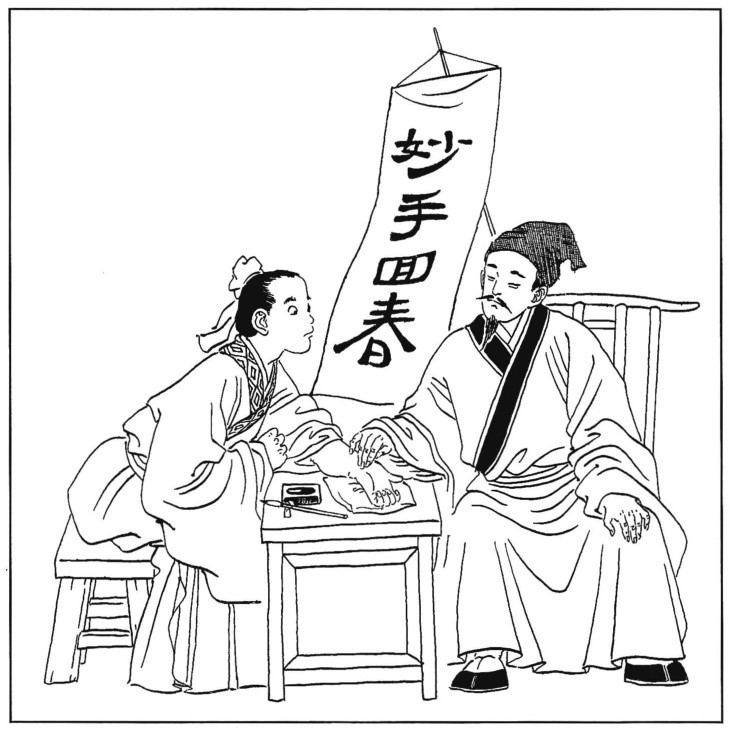
Traditional Chinese medicine has its own unique diagnostic methods. Chinese medical practice has no use for stethoscopes, X-ray machines or other diagnostic equipment. Instead, observation, auscultation and olfaction, interrogation and pulse taking are employed to diagnose diseases.
Phần 37
The Four Diagnoses
Inspection of the patient's general well-being, colour of complexion etc.
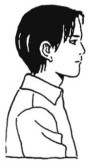
The patient's voice, breathing patterns and breath are analysed.
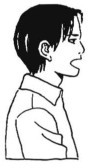
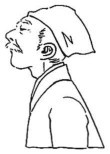
Checking with the patient his illness, the symptoms and sensations experienced etc.
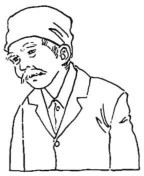
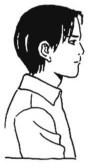
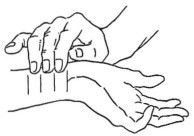
The changes in the patient's pulse is used to determine his qi and blood circulation.
Phần 38
Diagnosis Through Observation
A person's complexion and his vital organs share a close relationship. Any changes in the blood and qi circulation in the vitals will be reflected in a person's physical appearance, including observing the person's energy level and the colour of his face and tongue.
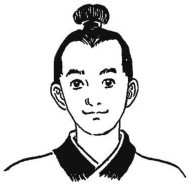
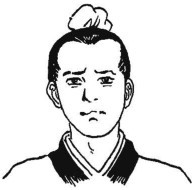
Observation of the patient's vitality, expression in his eyes, facial expression etc. A person's energy may be classified into the following types:
Vigour and vitality present:
Energetic, lively eyes, a bright countenance, etc. They indicate a mild case of illness where the vital energy has not been diminished. It signals a quick recovery.
Vigour and vitality absent:
Listless, lethargic, dull eyes, absentmindedness, slowed responses etc. The patient is deficient in vital energy and seriously ill.
When a person falls ill, his complexion will take on an unusual colour. This is known as the pathogeny of complexion. In all, there are five colours.
| Blue | Caused by wind and cold, marked by a sensation of pain. |
| Yellow | Caused by dampness, marked by deficiency of vital energy and lowering of body resistance. |
| Red | Caused by heat. |
| White | Caused by deficiency in vital energy and poor blood circulation. |
| Black | Caused by cold, pain, fluid retention and blood clots. |
Phần 39
Observing the tongue
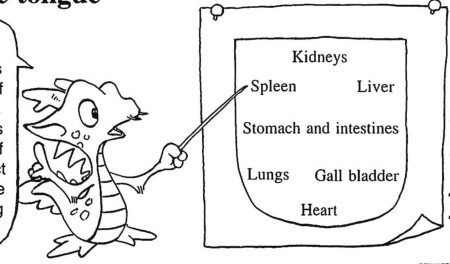
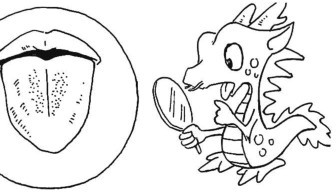
The tongue may be divided into parts representing each of the five vital organs. Hence, any changes in the appearance of the tongue will reflect a change in the state of the corresponding organ.
The colour and appearance of the coating of the tongue surface indicate changes in the patient's condition:
Colour of the coating:
White → Yellow → Grey → Black
Appearance of the coating:
Moist → Dry → Dry and black → Dry and prickly
Thin → Thick
Present → Absent
The progression from left to right indicates deterioration in the patient's condition, and vice versa.
The colour, degree of plumpness and softness of the tongue are also important. Here are some conditions and what they might mean.
| A whitish tongue | Indicates deficiency in vital energy and blood. |
| A deep red tongue | Indicates presence of heat. |
| A plump tongue | Usually related to presence of phlegm, dampness, heat and toxins. |
| A thin and shrunken tongue | Usually suggests deficiency in vital energy and blood, or interior heat. |
| A stiff tongue | Usually seen in exogenic diseases, may indicate the possibility of stroke. |
| A soft and curled tongue | Usually suggests deficiency in vital energy and blood. |
Phần 40
Observing the Five Sense Organs and hair
The condition of one's ears, eyes, lips, nose, hair and skin also reflect the body's state of health. Some examples are listed below:
| Swollen eyes | Usually caused by water retention. |
| Dry eyes | Usually caused by deficiency of blood in the liver. |
| Swollen and red eyes | Usually caused by wind-heat. |
| Blocked nose; clear mucus | Usually caused by wind-cold. |
| Blocked nose; thick yellow mucus | Usually caused by wind-heat. |
| Dry and thin outer ear | Asthenia (abnormal loss of strength) of kidney. |
| Dark, red lips | Caused by cold factors, usually seen in weak lungs. |
| Pale lips | Usually caused by deficiency of blood. |
| Dark red and dry lips | Usually caused by febrile factors, characterised by a high fever. |
| Dry, cracked lips | Insufficient bodily fluids. |
| Dry skin | Insufficient bodily fluids; exhaustion of internal vital essences and blood. |
| Dry and prickly skin | Usually caused by atrophy of the lungs. |
| Black, thick and lustrous hair | Healthy kidneys, sufficient blood and vital energy. |
| Brown, sparse and dry hair | Deficiency of vital essence and blood, usually seen after a major illness. |
| Dry and brittle hair | Heat in the blood and deficiency of yin. |
| Curly and oily hair | Usually caused by heat in the blood. |
| Greying of hair among youths | Caused by worry and anxiety; accumulation of pathogenic heat in blood. |
| Thinning of hair among youths | Asthenia of kidneys or pathogenic heat in blood. |
| Slow growth of hair; thin and brown hair | Usually caused by hereditary factors and a weak constitution. |
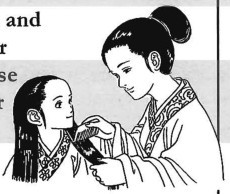
Phần 41
Observing A Child's Index Finger
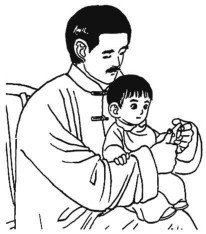
This type of diagnosis is suitable for children under the age of three. The channels and collaterals on the inside of the child's index finger are examined. The diagnosis is based on the observation of the meridian phenomena and colour.
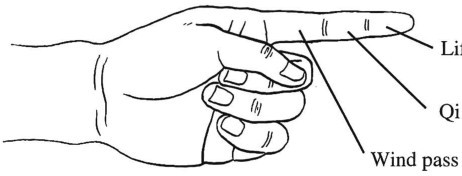
During the finger diagnosis, the child should be carried in a well-lit place where the physician will use his left hand to keep the tip of the child's index finger in place. He will rub the child's index finger from its tip towards the palm with his right hand a few times until the branches of channels show for inspection.
| Collaterals show in the wind point zone | The disease is within the collaterals; the condition is not serious. |
| Collaterals show in the qi point zone. | The disease has attacked the channels; condition is quite serious. |
| Collaterals are evident in all three zones. | The disease has attacked the viscera; condition is serious. |
| Collaterals show beyond the fingertip. | The situation is very grave. |
| Collaterals show clearly. | The disease is an exogenous one affecting the exterior of the body. |
| Collaterals are not obvious. | The disease is an endogenous one affecting the internal organs. |
| Collaterals are reddish. | Usually caused by cold factors. |
| Collaterals are purplish. | Usually caused by febrile factors. |
| Collaterals are greenish. | Caused by wind, cold, or pain. |
| Collaterals are pale and thin. | Usually caused by cold factors. |
| Collaterals are dull and thick. | Excess syndrome. |
Phần 42
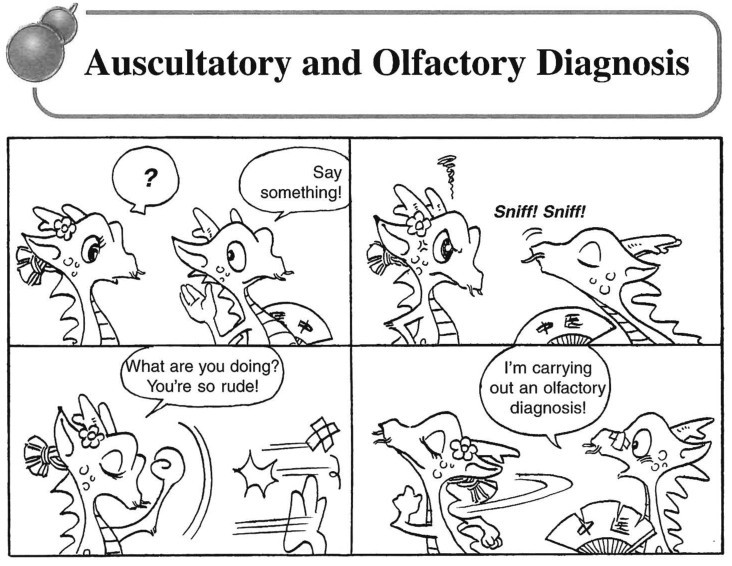
Auscultatory and Olfactory Diagnosis
Diagnosis through auscultation and olfaction involves listening to the patient's tone of voice, breathing patterns and taking a sniff of the patient's breath. The following tables show some of the conditions that may occur and what they mean.
- Strong, loud voice — Presence of yang, heat.
- Feeble, broken voice — Presence of yin, cold. Shows as deficient vital energy and lowered resistance.
- Hoarseness or loss of voice due to recent illness — Caused by febrile factors, usually the result of external colds and heat.
- Hoarseness or loss of voice due to prolonged illness — Lack of energy and reduced resistance; weakness of the lungs and kidneys.
- Deep coughs, clear phlegm — Wind-cold has attacked the lungs.
- Sudden coughing, thick and yellow phlegm — Excess heat in the lungs.
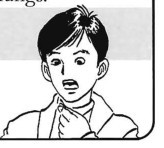
- Phlegmy cough — Presence of phlegm.
Phần 43
Trang 34
- Strong and heavy breathing — Caused by febrile factors, excess pathogenic internal heat.
- Weak, short breaths — Caused by deficiency in the function of the lungs.
- Breathing difficulties, wheezing sounds — Asthma.
- Uneven breathing or heavy sighing breaths — Serious condition, with damage to the vital essence or poisoning.
- Loud breathing accompanied by snoring sounds — Stroke patients and comatose patients suffering from liver ailments and diabetes.
- Rapid breathing, exhalation brings relief — Usually seen in cases of lung infection or phlegm-retention.
- Low breathing sounds, inhalation brings relief — Decline in the function of the kidneys.
- Bad breath — Poor digestion, heat in the stomach or poor oral hygiene.
- Sourish breath — Undigested food in one's system.
- Decaying breath — Stomach ulcer and sores.
- Body odour — Caused by pathogenic dampness-heat.
- Nose emits odour, runny nose — Heat in the lungs or pathogenic dampness-heat accumulated in the spleen and the stomach.
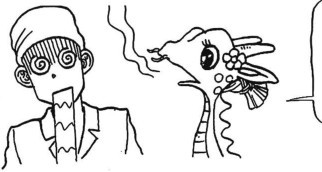
Phần 44
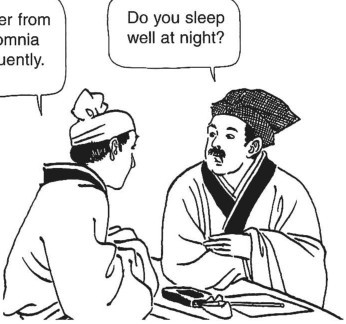
Diagnosis Through Interrogation
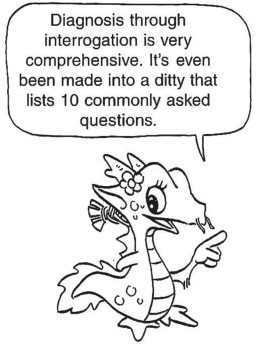
This involves asking the patient about his illness, the symptoms and how he feels. Through the patient's answers, a diagnosis is made. It is therefore a very important part of a diagnosis.
"First, you ask about chills and fever.
Next, you move to perspiration.
Third, you ask about general pains and headaches.
Fourth, you ask about urination and defecation.
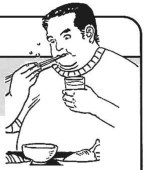
Fifth, you ask about the appetite.
Next, you ask about sensations in the chest and abdomen.
The seventh question concerns hearing and sight.
The eighth question touches on one's sleep pattern.
The ninth question checks past medical history and the tenth inquires of the causes of the new disease.
In female adult patients, check on their menstrual cycle.
In young patients, it will be measles."
Phần 45
Trang 36
Tables showing some possible conditions and what they mean:
- Feeling feverish in the morning — Deficiency of gallbladder energy.
- Feeling feverish in the afternoon — Deficiency of yin, dampness-heat.
- Feverish without feeling cold — Excess yang nature, usually seen in acute diseases.
- Feeling chilly without having a fever — Deficiency of yang nature, usually seen in chronic diseases.
- The limbs feel cold — Deficiency of yang.
- Heat in the abdomen and chest — Accumulated internal heat.
- The whole body is feverish and is afraid of cold — Usually caused by febrile factors.
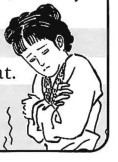
- Perspiration before bedtime which stops on waking (night sweat) — Usually indicates deficiency of yin.
- Perspiring easily during the day (spontaneous sweating) — Usually indicates deficiency of yang.
- Afraid of cold, perspiration, cold limbs (cold sweat) — Usually indicates deficiency of yang.
- Perspiration followed by shivering — Body battling an infectious disease.
- Perspiration only on the forehead (Children often perspire on the forehead when they sleep. If no other symptoms are present, this is not a sign of illness.) — Usually indicates heat in the abdomen and pathogenic dampness-heat.
- Only half of the body perspires — Deficiency of gallbladder energy and blood. A sign of partial paralysis.
- Perspiration on the chest — Deficiency of yin of the heart.
- Perspiration of the hands and feet — Deficiency of yin and excess of yang.
- Perspiration of the palms — Usually caused by anxiety and nervousness.
Phần 46
Trang 37
- Preference for cold drinks when thirsty — Endogenous heat.
- Preference for warm drinks when thirsty — Endogenous cold.
- Low consumption of water despite being thirsty — Pathogenic dampness-heat in the spleen and stomach.
- Dulled sense of taste — Asthenia of the spleen and stomach.
- Bitter taste in mouth — Heat in the liver and gallbladder.
- Sour taste in mouth — Retention of undigested food in the stomach and intestines.
- Sweet taste in mouth — Pathogenic dampness-heat in the spleen and stomach.
- Partiality in limited variety of food — Usually caused by presence of parasites.
- Gets hungry easily — Heat in the stomach or incomplete digestion.
- Bloating after a meal — Asthenia of spleen and blockage of gallbladder.
- Poor appetite, bloated stomach, sour breath — Retention of undigested food in the stomach and intestines, poor digestion.
- Frequent micturition, constant intake of fluid, thirst — Thirst relief (diabetes).
- Sound in the ear — Deficiency of the liver and kidney.
- Pain in the ear — Infection of the inner ear.
- Deafness in the ear — Deficiency of the kidney, infectious febrile disease.
- Echoes in the ear — Deficiency of the kidney or pathogenic wind.
- Blurred vision, night blindness — Deficiency of the liver.
- Swollen and red eyes — Heat in the liver.
Phần 47
Trang 38
- Nagging headache — Usually caused by exogenous heat.
- Sporadic headache — Usually caused by internal injury.
- Headache in the morning — Usually a deficiency of vital energy.
- Headache in the afternoon — Usually a deficiency of blood.
- Headache in the day — Deficiency of yang.
- Headache in the evening — Deficiency of yin.
- Feverish and aching body — Endogenous heat.
- Backache — Deficiency of the kidney.
- Sharp pain in the back — Stagnation of vital energy and stasis of blood.
- Stuffy chest, shortness of breath, lethargy — Deficiency of vital energy.
- Stuffy chest, long sighs — Stagnation of vital energy.
- Pain on both sides of the rib cage — Stagnation of vital energy in the liver.
- Abdominal pain; aversion to touch, inclination towards cold drinks, sharp abdominal pain after meals — Excess heat.
- Abdominal pain; comfort from massage, loose stools — Deficiency of yang in the spleen and stomach.
- Joints ache during rainy days — Caused by dampness-cold.
- Swelling and pain — Depression, stagnation of digestion in the stomach, blocked respiratory system.
- Sharp pain — Stasis of blood, stagnation of vital energy.
- Angina (chest pains) — Blood stasis, parasites, gallstones.
- Nagging, dull pain — Poor blood and vital energy circulation; endogenous yin and cold.
- Aches — Dampness in the joints; poor blood and vital energy circulation.
- Aversion to cold; excruciating pain — Usually caused by cold factors.
- Aversion to heat; redness and swelling — Usually caused by heat factors.
- Sudden pain — Syndrome of excess due to exogenous factors.
- Prolonged pain — Deficiency of yin.



Phần 48
Trang 39
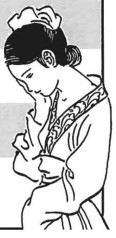
- Constipation — Heat, sluggish vital energy or blood exhaustion.
- Hard stools — Deficiency of middle-energiser energy or poor liver function.
- Whitish stools — Jaundice or deficiency of cold in large intestines.
- Black stools — Internal bleeding.
- Red stools — Blood in the stools or dysentery.
- Clear urine — Caused by cold factors.
- Dark yellow urine — Caused by heat factors.
- Pain during urination — Caused by stranguria (spasm of the urethra and bladder).
- Turbid (cloudy) urine — Febrile diseases caused by dampness and heat.
- Incontinence — Deficiency of vital energy and strokes.
- Difficulty in passing urine — Caused by dampness-heat harm or damage to the body fluids.
- Early period, high volume, blood is bright red — Heat in the blood.
- Period delayed, low volume, pale colour, pain in the lower abdomen — Interior cold.
- Irregular periods — Stagnation of the liver energy or asthenia of the spleen and kidneys, or blockage due to blood clot.
- Absence of menstruation — Deficiency of vital energy and low blood volume; stagnation of the vital energy and blood stasis.
- Uterine bleeding — Heat in the blood, Deficiency of the vital energy.
Phần 49
Trang 40
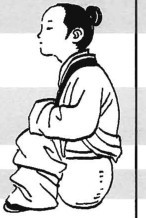
- Insomnia — Over-anxiety, deficiency of the heart and spleen.
- Inability to sleep combined with thirst and feeling of vexation — Usually indicates deficiency of the yin of the heart.
- Inability to sleep combined with feeling of panic — Usually indicates deficiency of the gallbladder energy.
- Inability to sleep combined with dizziness and panic — Usually indicates deficiency of blood in the heart and spleen.
- Inability to sleep combined with dizziness and heavy head — Usually indicates an excess of yang of the liver.
- Inability to sleep combined with fullness of the stomach — Usually caused by lack of coordination of the spleen, resulting in nausea and vomiting.
- Wakes up easily — Usually indicates lack of vital energy of the heart and the gallbladder, excess heat in the heart.
- Wakes up early — Usually indicates deficiency of vital energy.
- Unable to fall asleep — Anxiety, insufficient vital energy.
- Sleep disturbed by many dreams — Deficiency of yin of the liver and kidneys, imbalance of yin and yang.
- Constant sleepiness, lethargy — Usually indicates asthenia of the spleen or accumulation of dampness.
Phần 50
Diagnosis Through Pulse Taking and Palpation
The changes in one's pulse are used to determine the level of qi and blood in one's body.
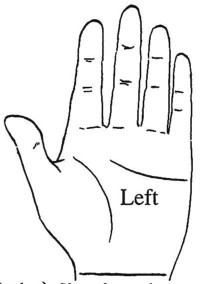
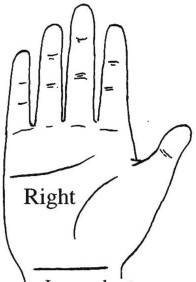
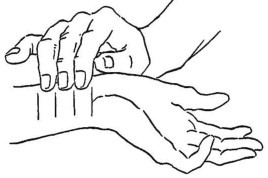
The human wrist can be divided into three sections: inch, bar and cubit. Each section corresponds to different internal organs.
In general, traditional Chinese medicine uses the entrance to the pulse, ie. the inch section. As it is where the Hand Taiyin lung channel passes through, bearing in mind that the lungs are the part of the viscera that store qi, blood and nutrients, and are crucial to the limbs and bones, this section will reveal the state of the viscera, channels and collaterals, qi and blood etc.
When a person is in good health, the pulse is slow and steady, rhythmic and strong. A rapid or a very slow pulse will indicate presence of disease.
If a patient is very ill, but the pulse is calm and strong, it indicates a chance of recovery. But if the pulse is fine and faint, almost imperceptible, it is a portent of grave consequences.
There are many types of pulse, such as floating pulse, deep pulse, full pulse, fine pulse, feeble pulse, replete pulse and others. The differences are very subtle. Hence diagnosis through pulse taking is not easy to master.
Phần 51
An overview of various types of pulse
| Pulse | Description |
|---|---|
| Floating pulse | Can be felt by a light touch. It grows faint on hard pressure and can be likened to a floating log. Usually seen in early stages of diseases caused by exogenous factors. |
| Deep pulse | Can only be felt by applying pressure. Usually seen in many various chronic diseases. Indicates that the disease has attacked the internal organs. |
| Rapid pulse | Fast beating. Usually indicates the presence of heat. |
| Retarded pulse | Pulse beat is slow. Indicates diseases of a cold nature. |
| Feeble pulse | The pulse feels feeble and faint. Indicates deficiency of positive qi. |
| Replete pulse | The pulse is vigorous and forceful. Indicates excess syndrome. |
| Full pulse | A pulse beating like waves with forceful rising and gradual decline. Indicates presence of excessive pathogenic heat. |
| Fine pulse | A thin, thready pulse. Faint yet always perceptible. Indicates deficiency of yin and blood. |
| Taut pulse | A long and forceful pulse that feels like a string on a musical instrument. Usually seen in liver trouble, severe pains and retention of phlegm. |
| Tense pulse | A fast and strong pulse that feels like a tightly stretched cord. Indicates presence of cold or pain. |
| Knotted pulse | A pulse pausing at irregular intervals. Usually seen in cases of stagnation of qi or blood, phlegm due to cold. |
| Intermittent pulse | A slow and weak pulse pausing at regular intervals. Indicates severely weakened viscera, deficiency of the qi and blood, severe trauma or terror. |
| Running pulse | A rapid pulse with irregular intermittence. Usually seen in cases of excessive heat, stagnation of qi and blood, retention of phlegm or indigestion. |
| Slippery pulse | A smooth pulse running like beads rolling on a plate. Usually seen in cases of phlegm retention. |
| Hesitant pulse | An uneven pulse. Usually caused by loss or stagnation of qi and blood. |
Phần 52
Trang 43
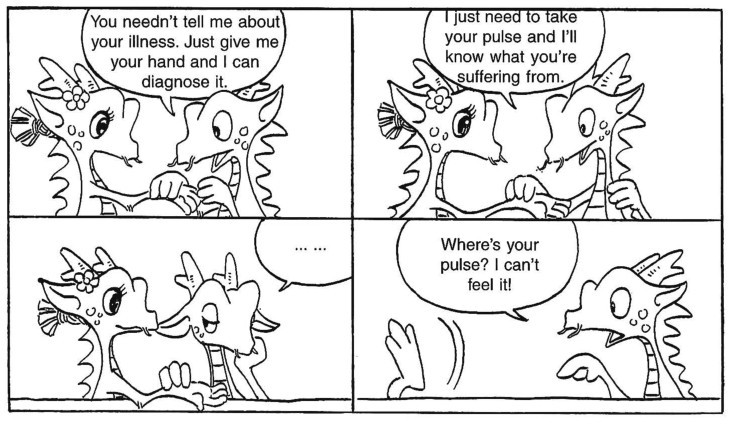
"You needn't tell me about your illness. Just give me your hand and I can diagnose it."
"I just need to take your pulse and I'll know what you're suffering from."
"… …"
"Where's your pulse? I can't feel it!"
It is an exaggeration to say that feeling the pulse will be able to tell one what the patient is suffering from. Diagnosis cannot be based on pulse taking alone. The four methods of diagnosis are not self-contained. During a consultation, all four methods of diagnosis have to be exercised before a comprehensive and accurate diagnosis can be made.
Wang Shuhe (180–270 AD) was a famous physician from the Western Jin state. He studied sphygmology. He compiled the various documents on sphygmology from generations before him and his own experience in this area of medicine into a book known as the *Pulse Classic.
The Pulse Classic categorised pulse conditions into 24 types. They still form the basis for methods of diagnosis in traditional Chinese medicine to date. The book established the study of the entrance of the pulse and clearly defined the inch, bar and cubit sections.
The Pulse Classic was China's earliest work on sphygmology and was highly regarded by later physicians. Its influence in the medical field was extensive, later spreading to China, Korea, the Arab world and Europe.
- The study of the pulse.
Phần 53
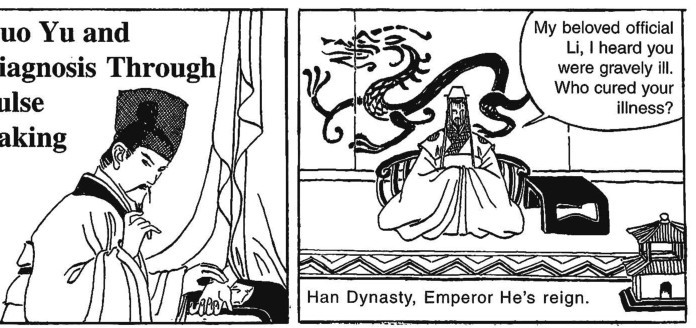
Guo Yu and Diagnosis Through Pulse Taking
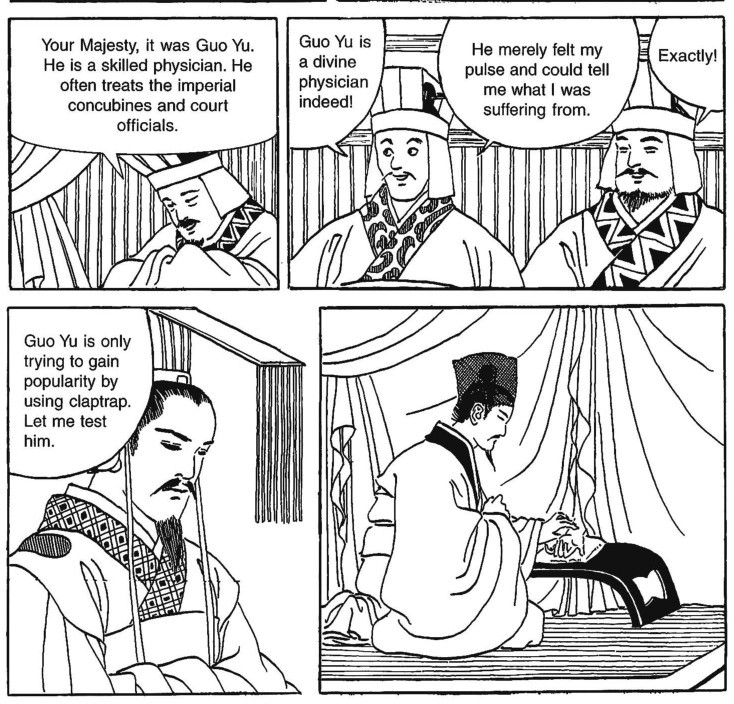
"My beloved official Li, I heard you were gravely ill. Who cured your illness?"
"Your Majesty, it was Guo Yu. He is a skilled physician. He often treats the imperial concubines and court officials."
"Guo Yu is a divine physician indeed!"
"He merely felt my pulse and could tell me what I was suffering from."
"Exactly!"
"Guo Yu is only trying to gain popularity by using claptrap. Let me test him."
Phần 54
Trang 45
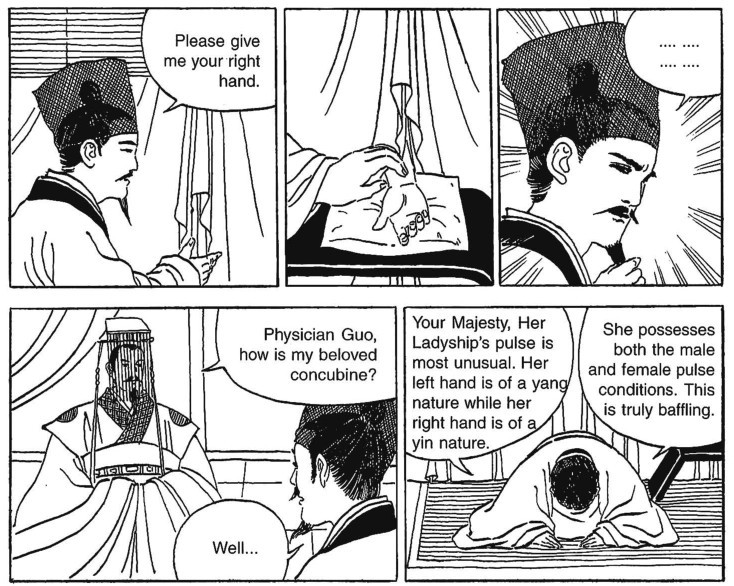
"Please give me your right hand."
"… …"
"Physician Guo, how is my beloved concubine?"
"Well…"
"Your Majesty, Her Ladyship's pulse is most unusual. Her left hand is of a yang nature while her right hand is of a yin nature."
"She possesses both the male and female pulse conditions. This is truly baffling."
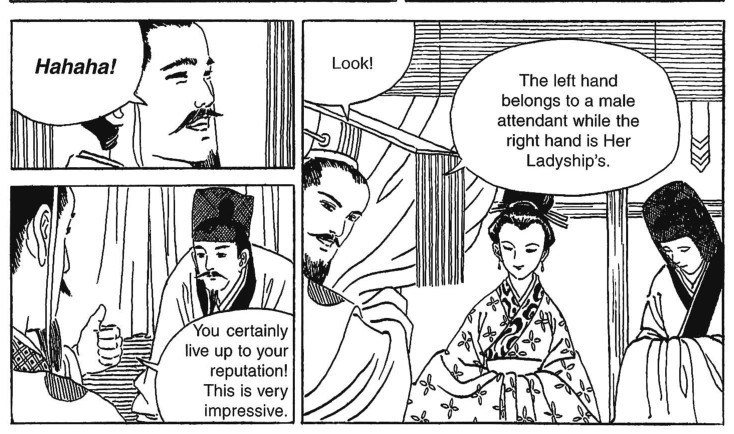
"Hahaha!"
"Look!"
"The left hand belongs to a male attendant while the right hand is Her Ladyship's."
"You certainly live up to your reputation! This is very impressive."
Phần 55
Diagnosis Through Palpation
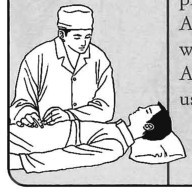
Palpation involves pressing on the patient's body with one's hands. It is a part of diagnosis through pulse feeling and palpation.
| Area pressed | Findings |
|---|---|
| Pressing on the skin | Warm skin indicates the presence of excess pathogenic heat. |
| Cold skin indicates a deficiency of yang and qi. | |
| Dry skin indicates a deficiency of fluids. | |
| If the skin feels thorny, it is usually an indication of damage to the yin or internal blood stasis. | |
| If the skin initially feels warm to the touch before cooling down, the heat is external. | |
| A gradual warming of the skin indicates internal heat. | |
| Pressing on swellings | When the swelling remains dented after being pressed, it indicates the presence of oedema. |
| When the swelling pops back after being pressed, it indicates the presence of air. | |
| Pressing on the limbs | Cold limbs indicate an excess of yin and cold. |
| Warm limbs usually indicate an excess of yang and heat. | |
| A warm back of hand usually indicates external heat. | |
| A warm palm where other parts of the body remain relatively cold usually indicates damage to the yin. | |
| When a child's body feels warm and his fingertips are cold, look out for a possible fit. | |
| Pressing on the abdomen | A painful and swollen abdomen suggests exogenous causes. |
| A swollen but soft abdomen with no pain indicates a deficiency syndrome. | |
| A swollen abdomen which rises when pressed and makes hollow sounds indicates the presence of excess air. | |
| A swollen abdomen which shows wave-like movements when pressed on both sides indicates the presence of excess fluid. | |
| A hard swelling in the abdomen which doesn't move and hurts when pressed usually indicates blood stasis. | |
| A swelling that has no form, is painless and moves around usually indicates a stagnation of qi. |
Phần 56
Diagnosis Through the Analysis of Excreta
Stools and urine are waste products from the human body. They offer telling signs of a person's state of health. In general, stools are yellowish brown. But if they remain in the intestines for too long, they'll turn a darker colour and become drier. In diarrhoea, the stools are more yellowish as they have stayed in the intestines for only a short time.
Examination of stools and urine are commonly carried out in hospital checkups. They provide a basis for diagnosis. Examination of stools and urine involve the physical appearance, consistency, colour, degree of digestion, etc.
Examination of stool is not exactly a part of traditional Chinese medicine. But there have been records of tasting of stool in China to diagnose a patient. It's said that bitter stools indicate signs of recovery while sweet stools are bad news. Just how accurate and true is this? Well, no harm reading it up for fun.
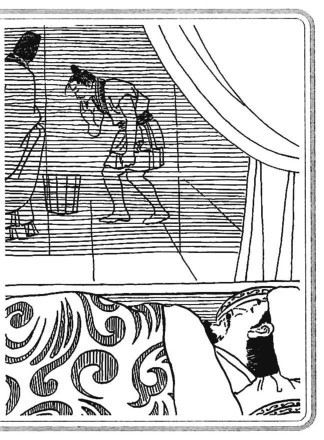
During the Spring and Summer Period when the states of Yue and Wu were at war, the state of Yue lost and the king of Yue was held as a prisoner-of-war. The king of Yue took the humiliation in his stride. In order to gain the trust of the king of Wu, he tasted King Wu's stool when the latter fell ill and predicted a full recovery. True enough, the king of Wu got his health back and released the king of Yue. The king of Yue then returned to rebuild his country and eventually defeated the state of Wu.
Phần 57
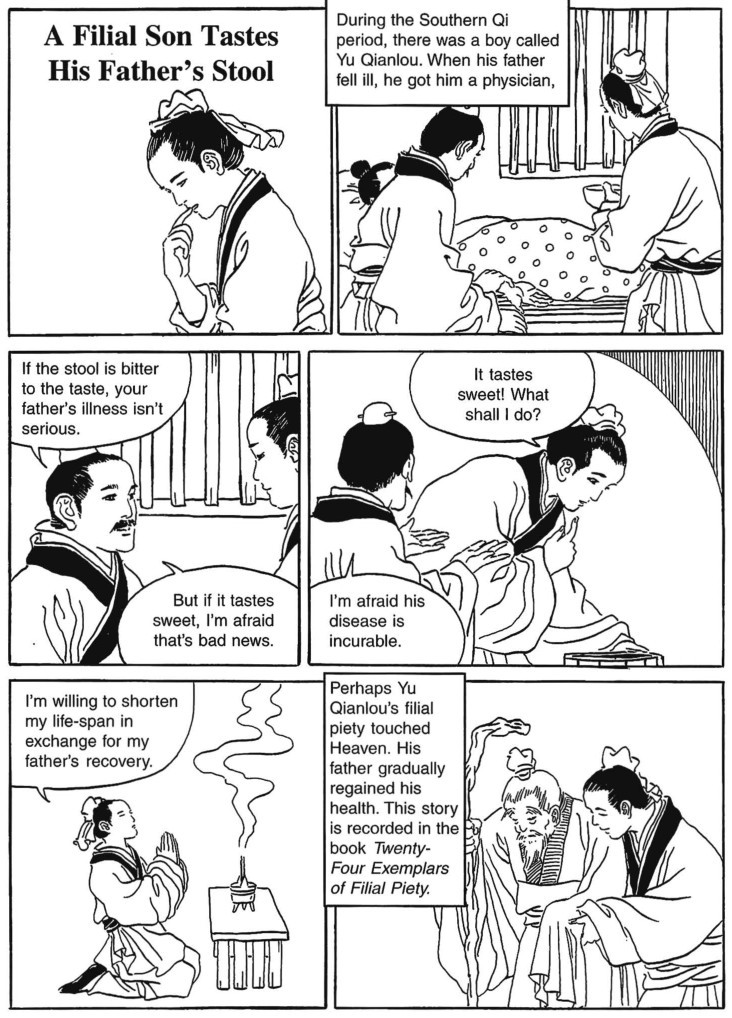
A Filial Son Tastes His Father's Stool
During the Southern Qi period, there was a boy called Yu Qianlou. When his father fell ill, he got him a physician,
"If the stool is bitter to the taste, your father's illness isn't serious."
"But if it tastes sweet, I'm afraid that's bad news."
"It tastes sweet! What shall I do?"
"I'm afraid his disease is incurable."
"I'm willing to shorten my life-span in exchange for my father's recovery."
Perhaps Yu Qianlou's filial piety touched Heaven. His father gradually regained his health. This story is recorded in the book Twenty-Four Exemplars of Filial Piety.
Phần 58
Methods of Treatment in Traditional Chinese Medicine
The methods of treatment in traditional Chinese medicine are many and diverse in nature. The commonly-seen ones are Chinese medicine, acupuncture and moxibustion, massage, diet therapy, qigong and mood therapy, though there are more unusual therapies, such as cupping, scraping and bloodletting. The methods of treatment used vary depending on the ailment and constitution of each patient.
Phần 59
Method One — Chinese Medicines
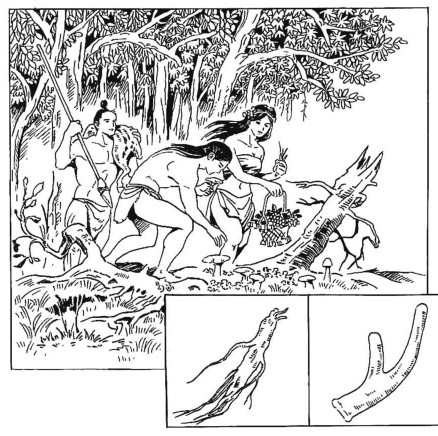
An ancient saying tells us: "The Divine Peasant tasted a hundred types of herbs to treat the diseases of the people." In their quest for survival, the forefathers of the Chinese people tasted countless wild fruit, seeds and plants. Over time, they learnt to distinguish the poisonous plants from the non-poisonous ones and discovered which ones had healing properties. In this way they accumulated knowledge of medicinal plants.
It was during hunting trips that they discovered some animals also possessed healing and medicinal properties. With the accumulation of knowledge and experience, the Chinese people developed an extensive body of knowledge which became known as traditional Chinese medicine.
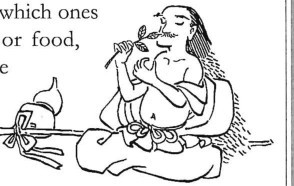
In the distant past, medicinal herbs, grains, weeds and flowers grew together. In order to find out which ones among them could be used as medicine or food, the legendary Divine Peasant tasted the plants himself, identifying many medicinal herbs and edible plants. However, he was fatally poisoned one day after tasting a deadly plant.
Phần 60
Types of Chinese medicines
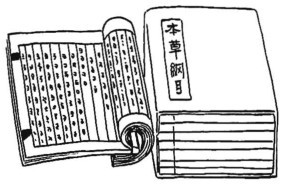
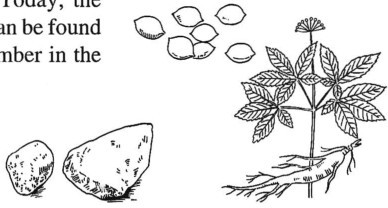
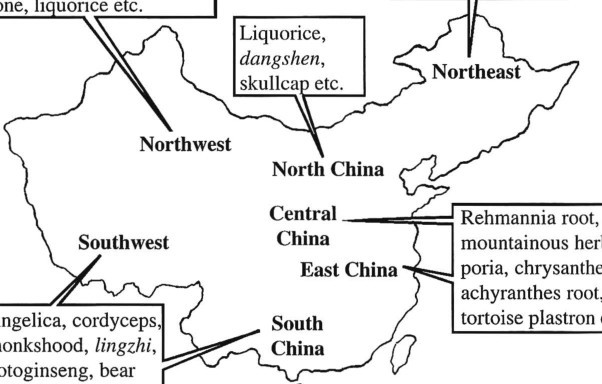
Apart from the medicinal herbs we are familiar with, Chinese medicine also includes minerals and animal parts. China, with its vast land area, varied terrain and range of climatic conditions, is home to a wide variety of plants, animals and minerals. The definitive classic on Chinese medicines, the Compendium of Materia Medica, records 1892 types of medicines. Today, the number of possible medicines that can be found from these rich resources easily number in the thousands.
Phần 61
Medicinal herbs
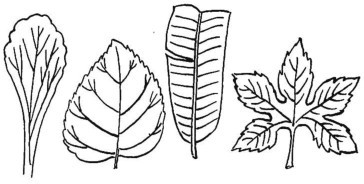
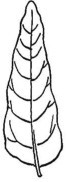
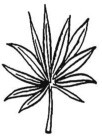
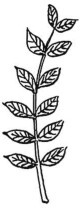
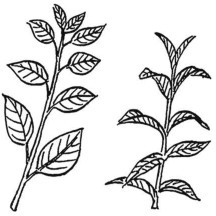
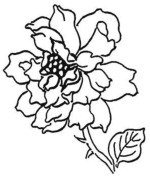
The parts of medicinal herbs that are used include the root, bark, leaves, flowers, fruit and seed, cane and more.
It is the part of the plant that absorbs nutrients and water from the soil and air.
It transports water and nutrients from the root. It also serves to support the plant.
Phần 62
Trang 53
The part where the plant makes food.
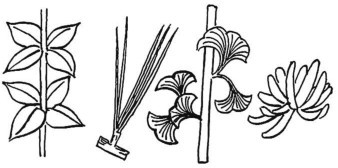
Mainly responsible for the reproduction of the plant.
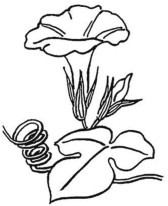
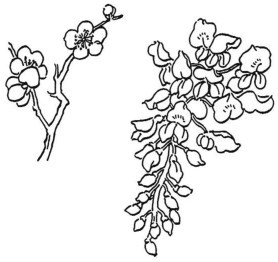
A fertilized part of the plant with reproductive function.
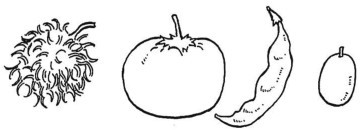

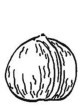
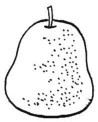
Phần 63
Collection and preparation of medicinal herbs
Medicinal herbs have various uses and their effectiveness is dependent on the time of the year (seasonal changes). That is why the picking of medicinal herbs has to be done under the right climatic conditions and during the right stage of the plant's growth, among other factors, to ensure the optimal effectiveness of the herbs. For example, root plants are usually picked in autumn, winter and early spring when their leaves wither. It is during these times that the roots store the largest amount of nutrients.
Other than the timing of herb collection, medicinal herbs also undergo preparatory processes like cleaning, cutting, frying, steaming and quenching. These processes remove or reduce the toxicity and side effects of the herbs; increase their effectiveness, change the nature of the herbs and discourage the growth of mould and parasites for storage purposes.
Phần 64
Some common medicinal herbs
Sweet and hot to the taste, warm in nature. Tonic for the qi and blood, moistens the intestines to ease constipation. Good for deficiency of blood, weak constitution, constipation and external injuries.
Bittersweet to the taste, warm in nature. Tonic for the kidney and liver, good for ovulation, detoxifies, eases constipation. Used to treat hair loss due to iron deficiency caused by menstruation, sallow complexion etc.
Sweet and slightly bitter to the taste, neither warm nor cold in nature. Boosts vital energy, spleen and lungs, promotes production of fluids and calms the mind. Good for cold limbs, fatigue and lethargy, poor appetite, weak constitution etc.
Bitter and hot to the taste, warm in nature. Regulates qi, strengthens the spleen, removes internal heat and phlegm. Good for qi stagnation in the spleen and stomach, poor appetite, cough with phlegm etc.
Shengdi is bittersweet and cold in nature. Dispels heat, strengthens yin, promotes production of fluids, clots blood. Shoudi is sweet and mildly warm. Good for the kidneys and blood, regulates menstruation and replenishes yin.
Bitter to the taste, cooling in nature. Dispels heat in the lung and treats cough, stops vomiting. Good for coughs due to heat in the lung, heavy breathing, thirst due to heat.
Phần 65
Trang 56
Sweet and bitter to the taste, neither cold nor heaty in nature. Tonic for the spleen, stops diarrhoea, benefits the kidneys, calms the mind. Good for deficiency of the kidneys, prolonged diarrhoea, insomnia due to worry, incontinence and loss of sperm.
Bittersweet to the taste, neither cold nor heaty in nature, toxic. Good for asthma, prevents parasites, controls urination. Used to treat coughs with phlegm, whitish discharge, incontinence, frequent urination.
Sweet to the taste, warm in nature. Replenishes qi, promotes blood and calms the mind, moderate medicinal properties. Good for weak spleen and stomach, deficiency of blood, insomnia, lethargy etc.
Bittersweet, cold in nature. Dispels wind and heat, benefits the eyes and detoxifies. Used to treat colds due to external febrile factors, headaches, dizzy spells, infections.
Bitter and hot, warm in nature. Eliminates dampness and clears phlegm, treats stagnation of the qi. Good for discomfort of the spleen and stomach due to dampness, indigestion and stagnant qi; nausea, constipation, cough with excess phlegm.
Sweet, warm in nature. Tonic for the kidneys and liver, strengthens the muscles and bones, calms pregnancy. Good for joint aches due to failure of the liver and kidney, weak legs, unstable pregnancy, high blood pressure etc.
Phần 66
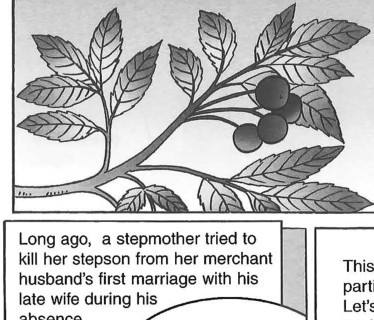
The Story of the Hawthorn Fruit
A sweet fruit, warm in nature. It aids digestion, dispels bruises, clears phlegm and clots blood.
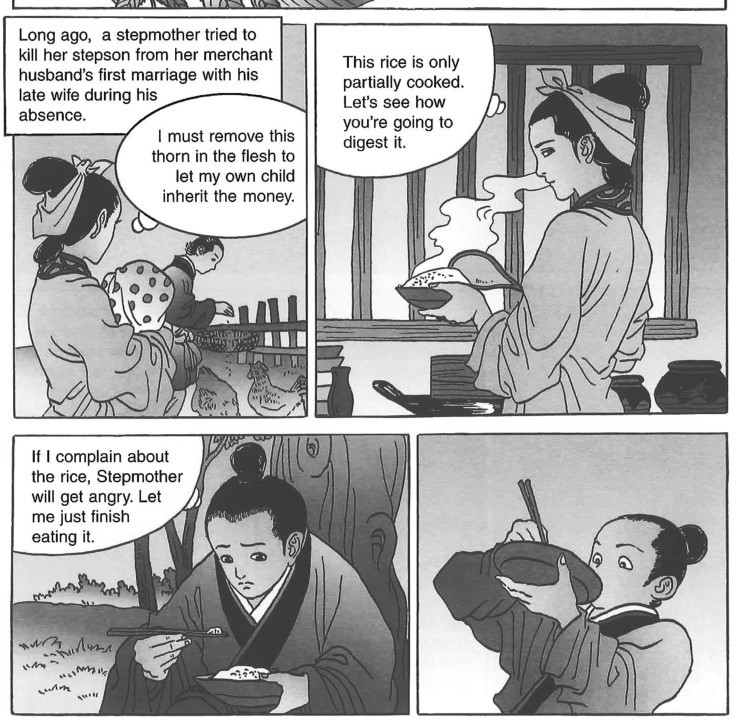
Long ago, a stepmother tried to kill her stepson from her merchant husband's first marriage with his late wife during his absence.
I must remove this thorn in the flesh to let my own child inherit the money.
This rice is only partially cooked. Let's see how you're going to digest it.
If I complain about the rice, Stepmother will get angry. Let me just finish eating it.
Phần 67
Trang 58
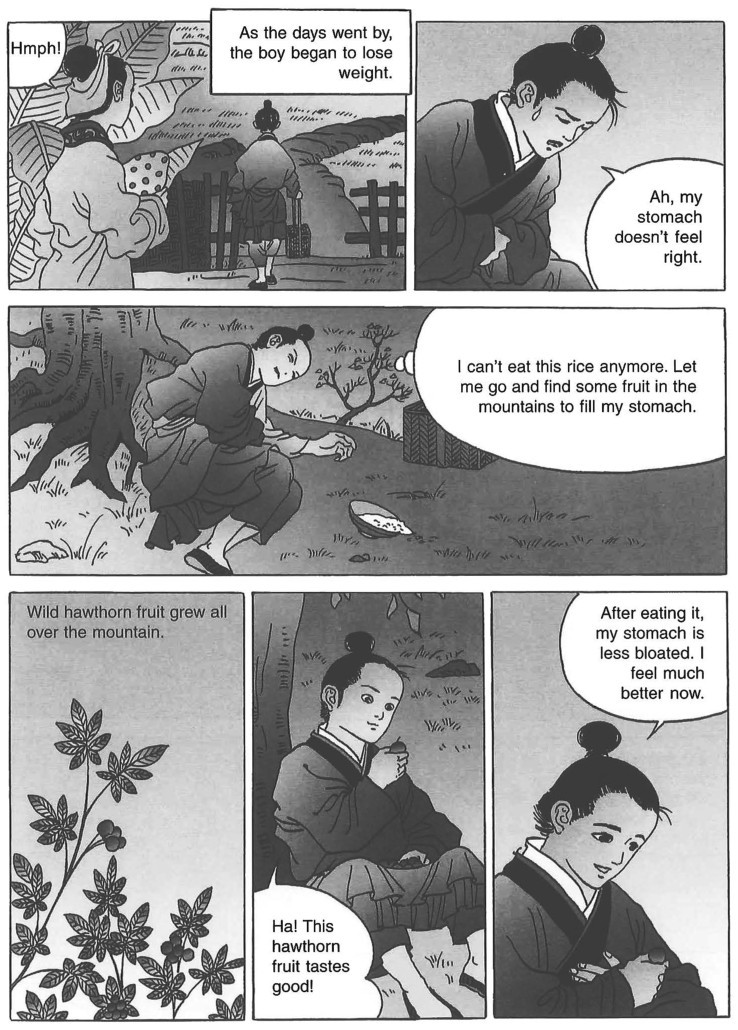
Hmph!
As the days went by, the boy began to lose weight.
Ah, my stomach doesn't feel right.
I can't eat this rice anymore. Let me go and find some fruit in the mountains to fill my stomach.
Wild hawthorn fruit grew all over the mountain.
Ha! This hawthorn fruit tastes good!
After eating it, my stomach is less bloated. I feel much better now.
Phần 68
Trang 59
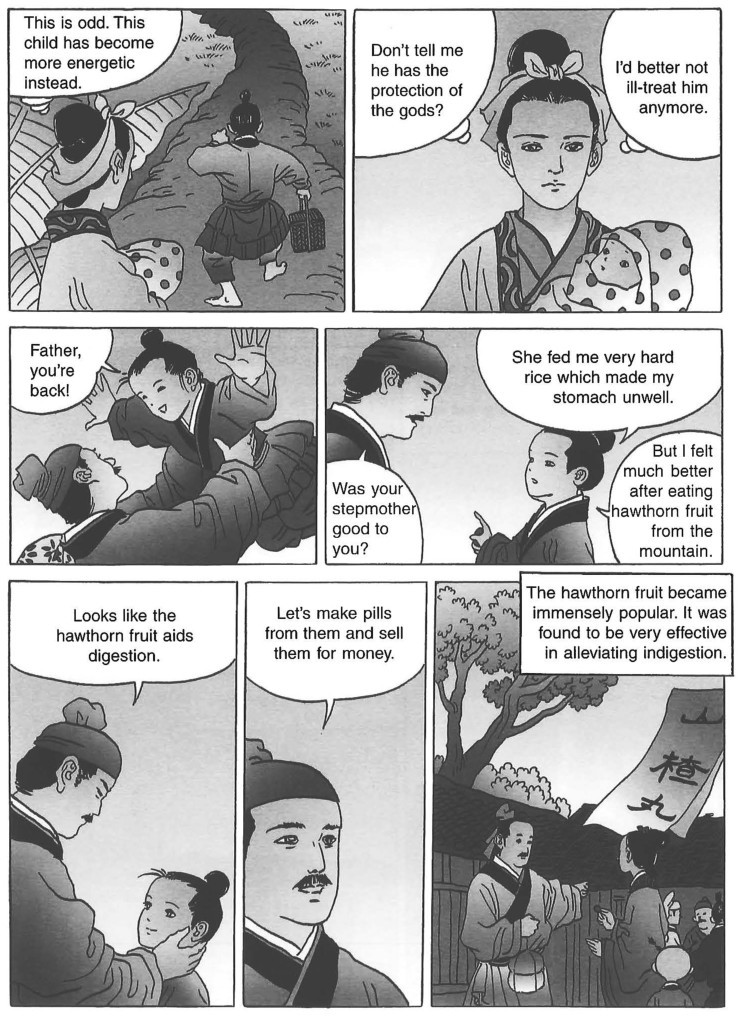
This is odd. This child has become more energetic instead.
Don't tell me he has the protection of the gods?
I'd better not ill-treat him anymore.
Father, you're back!
Was your stepmother good to you?
She fed me very hard rice which made my stomach unwell.
But I felt much better after eating hawthorn fruit from the mountain.
Looks like the hawthorn fruit aids digestion.
Let's make pills from them and sell them for money.
The hawthorn fruit became immensely popular. It was found to be very effective in alleviating indigestion.
Phần 69
The Story of the Glossy Privet Fruit (Nuzhenzi)
A bittersweet fruit, neither cooling nor heaty in nature. It acts as a tonic for the liver and kidney, strengthens the back and knees, brightens the eyes, promotes black hair, alleviates swelling and relieves pain.
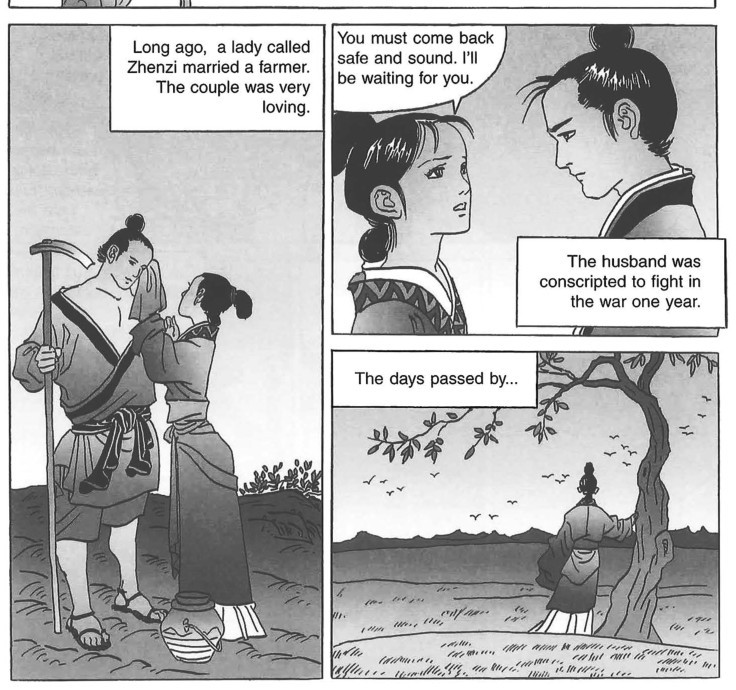
Long ago, a lady called Zhenzi married a farmer. The couple was very loving.
You must come back safe and sound. I'll be waiting for you.
The husband was conscripted to fight in the war one year.
The days passed by...
Phần 70
Trang 61
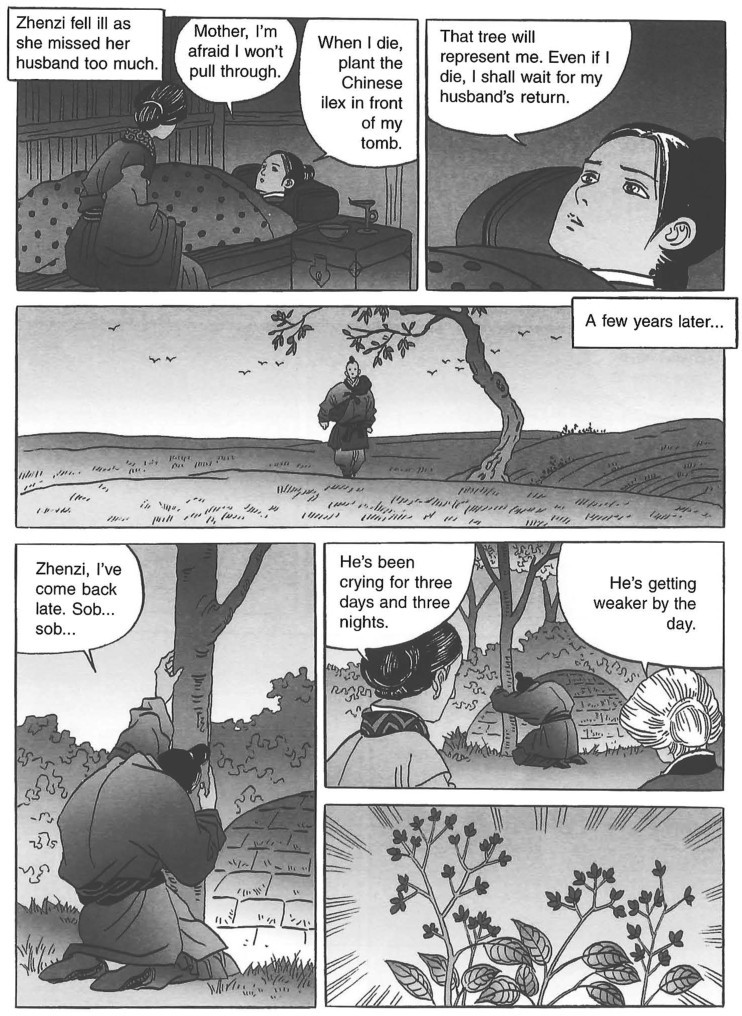
Zhenzi fell ill as she missed her husband too much.
Mother, I'm afraid I won't pull through.
When I die, plant the Chinese ilex in front of my tomb.
That tree will represent me. Even if I die, I shall wait for my husband's return.
A few years later...
Zhenzi, I've come back late. Sob... sob...
He's been crying for three days and three nights.
He's getting weaker by the day.
Phần 71
Trang 62
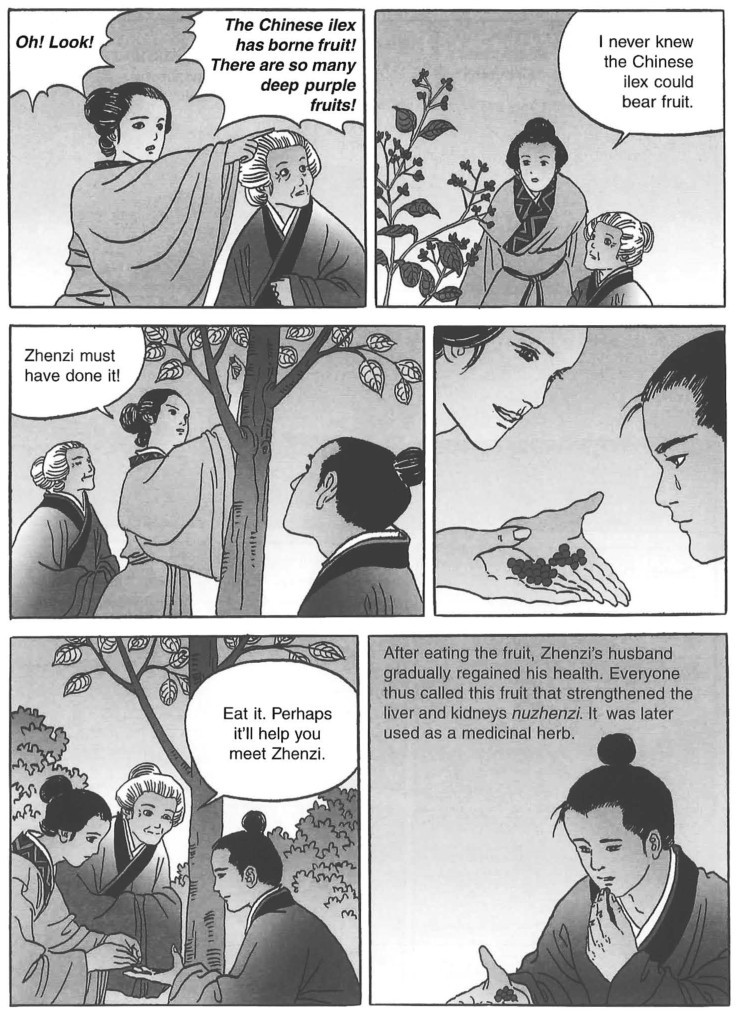
Oh! Look!
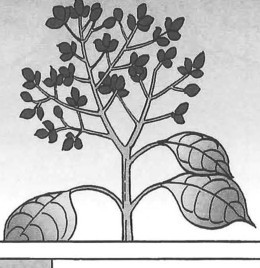
The Chinese ilex has borne fruit! There are so many deep purple fruits!
I never knew the Chinese ilex could bear fruit.
Zhenzi must have done it!
Eat it. Perhaps it'll help you meet Zhenzi.
After eating the fruit, Zhenzi's husband gradually regained his health. Everyone thus called this fruit that strengthened the liver and kidneys nuzhenzi. It was later used as a medicinal herb.
Phần 72
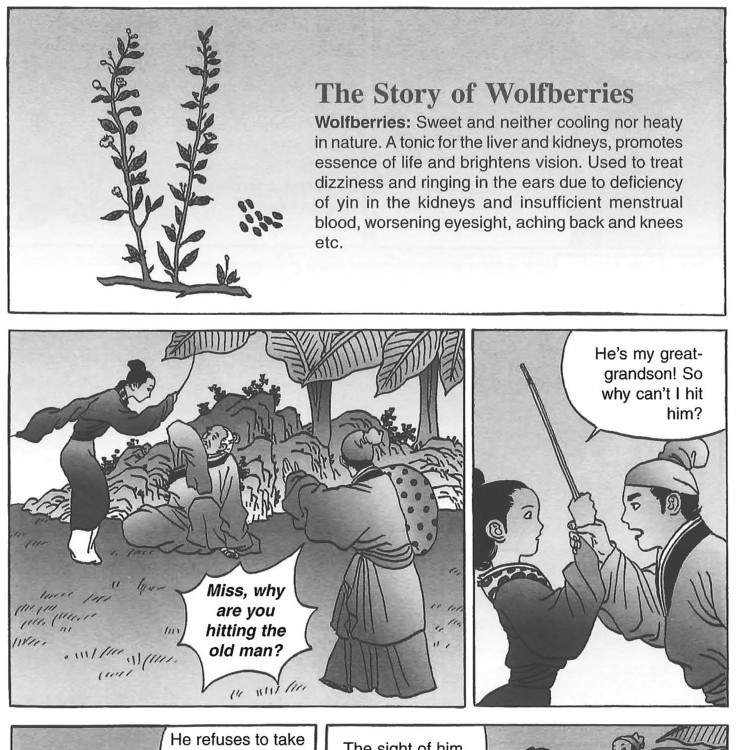
The Story of Wolfberries
Wolfberries: Sweet and neither cooling nor heaty in nature. A tonic for the liver and kidneys, promotes essence of life and brightens vision. Used to treat dizziness and ringing in the ears due to deficiency of yin in the kidneys and insufficient menstrual blood, worsening eyesight, aching back and knees etc.
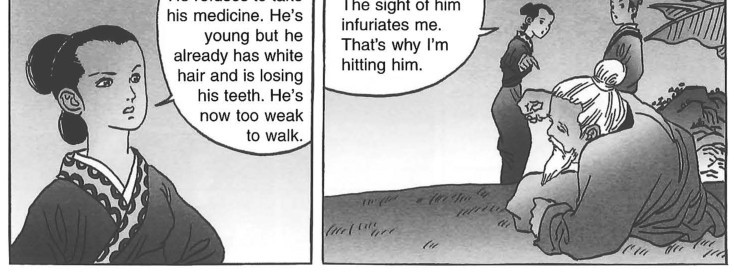
Miss, why are you hitting the old man?
He's my great-grandson! So why can't I hit him?
He refuses to take his medicine. He's young but he already has white hair and is losing his teeth. He's now too weak to walk.
The sight of him infuriates me. That's why I'm hitting him.
Phần 73
Trang 64
Miss, how old are you?
I'm 372 years old. My great grandson is only 90.
It turned out that this lady often took a particular medicinal herb called Essence of Heaven during springtime. In summer, it was known as wolfberries. In autumn, it was called earth bone and in winter, immortal's staff. It was said that if one ate it all-year round, he or she would live as long as heaven.
Legend has it that the wolfberry could turn into a dog.
Hey! Two puppies!
How come they're gone?
Little puppies, come out.
Haha! I've dug out two wolfberries. They do look like two puppies.
Wow! I can fly now!
Phần 74
Animal medicines
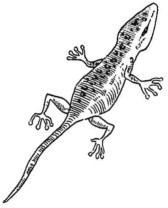
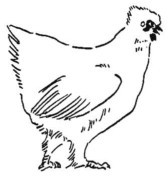
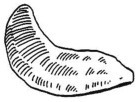
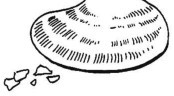
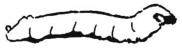
Animal medicines also include creepy crawlies like house lizards, centipedes, earthworms and silkworms, and aquatic animals like seahorses and seals.
- House lizard: Tastes salty, cold in nature, mildly poisonous. Expels wind, relieves pain caused by cold or dampness and soothes nerves. Used to treat paralysis due to stroke, numbness due to rheumatism, inflamed sores etc.
- Black-bone chicken: Tastes sweet, neither warm nor cold in nature. Strengthens the kidneys, nourishes the qi and blood, dispels heat of deficiency type.
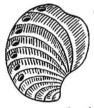
- Abalone shell: Tastes salty, cold in nature. Detoxifies the liver and brightens the eyes, treats headaches and dizzy spells, blurred vision etc.
- Seahorse: Tastes sweet, warm in nature. Strengthens the kidneys and improves virility, reduces swelling. Used to treat impotency, incontinence, deficiency of the kidneys, injuries due to a fall, difficulty in childbirth.
- Centipede: Tastes pungent, warm in nature, poisonous. Expels wind and relieves febrile diseases, neutralises toxins, clears the channels and relieves pain. Used to treat infantile convulsions, twitching, stroke, tetanus, poisonous snake bites, inflamed boils.
- Antelope horn: Tastes salty, cold in nature. Subdues hyperactivity of the liver to calm endogenous wind, clears the liver and brightens the eyes. Used to treat high fever, fainting spells due to febrile diseases, bipolar disorder, headaches and dizzy spells etc.
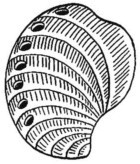
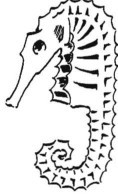
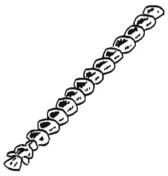
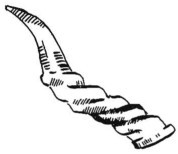
Phần 75
Cordyceps
- Leech: Tastes salty and bitter. Neither cold nor warm in nature, poisonous. Removes blood stasis, clears congestion and clears the channels. Treats bruises, injuries due to falls.
- Clam shell: Tastes bitter and salty, cold in nature. Clears heat and phlegm, relieves aches and pain. Treats cough with phlegm due to heat, pain in the chest, blood in the phlegm, abdominal pain and acid regurgitation.
- Silkworm: Tastes salty and pungent. Warm in nature. Calms and dispels wind, relieves febrile diseases, clears phlegm. Treats twitching due to convulsions, headaches due to wind, sore throat, itching and rubella etc.
Animal medicines such as bear gall, pilose antler, leopard bones and rhinoceros horn have caught the attention of animal activists. In their quest to lay hands on these animal parts for medicinal use, there has been poaching and killing of these animals. Also, often the methods used to obtain these medicines can be very cruel. That is why many Chinese physicians avoid using such animal parts in their prescriptions by substituting them with other medicines with similar properties.
Is cordyceps (a type of Chinese medicine) a worm or a plant?
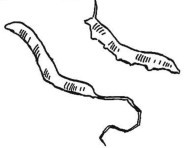
It's actually a type of fungus which grows as a parasite on the caterpillar of the bat moth in winter and grows to fill the caterpillar's entire body cavity, leaving only the skin. In summer, a blade-like leaf grows out. The fungus takes five to six years to reach maturity. As it resembles a worm, it is known as dong chong xia cao (literally meaning winter worm, summer plant).
Cordyceps are mainly found in Sichuan, Qinghai, Guizhou and Yunnan. They are sweet-tasting and warm in nature. They nourish lungs and kidneys, stop bleeding, clear phlegm etc.
Phần 76
Minerals
Minerals are materials culled from nature which possess chemical properties. During the ancient times, minerals were also used in pill-making. In fact, minerals make up quite a substantial section in Chinese medicine.
Gypsum: Tastes sweet and pungent. Cold in nature. Clears heat and expels fires, quenches thirst.
Realgar: Tastes pungent, warm in nature and poisonous. Neutralizes poison, kills worms, especially effective in nullifying poisonous snake and insect bites. In ancient times, wine made with realgar was drunk during the Dragon Boat Festival.
Mica: Tastes sweet. Neither warm nor cold in nature. Nourishes the kidneys and relieves asthmatic symptoms, arrests bleeding and treats infection. Used to treat consumption of the lung and deficiency of the kidneys, asthma and asthmatic cough, dizzy spells, shock, inflamed sores.
Fossil fragments: Fossils left behind by prehistoric animals. Tastes bittersweet and neither warm nor cold in nature. Calms nerves, arrests discharges. Used to treat an uneasy mind, insomnia due to anxiety, diarrhoea, seminal emission etc.
Phần 77
Properties and functions of Chinese medicine
- Cold, cooling — Clears heat, dispels fire, detoxifies
- Warm, heaty — Warms the interior, dispels cold, promotes yang
Treatment for diseases of the heat syndrome uses medicines with cold and cooling properties. Conversely, medicines with warm and heaty properties are used to treat ailments of the cold syndrome. The principle of yin-yang balance is used here. Medicines which are not very strong are known as moderate medicines. These medicines are used for treating ailments of both the heat and cold syndrome.
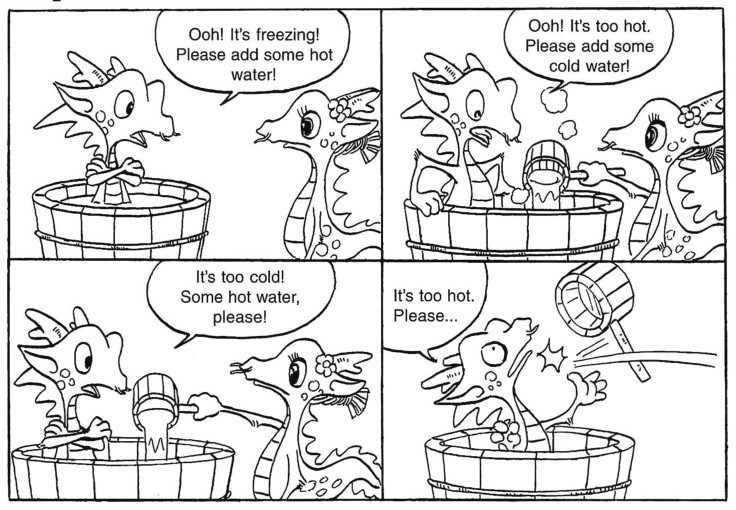
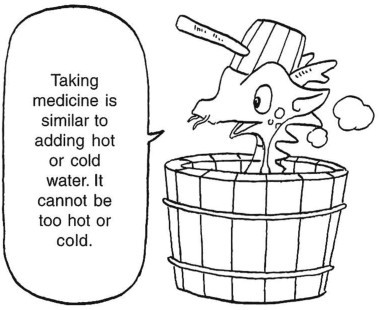
Phần 78
Trang 69
| Sour | Sweet | Bitter | Pungent | Salty |
|---|---|---|---|---|
| Arrests discharges, acts as an astringent. | Strengthens the body, balances the yin and yang, relieves pain. | Expels heat, reduces dampness, strengthens the yin, depresses fire. | Disperses internal heat, boosts circulation of the qi and blood. | Moistens, purgative effect. |
This refers to the location and orientation of the medicine in a person's body. It may be classified into two groups:
- Ascending — promotes yang, to emit exterior heat of the exterior syndrome, dispels cold, induces vomiting.
- Descending — reduces internal heat, purgative, diuretic, arrests inflammation.
An illness may affect a person in the upper part, lower part, exterior or interior. It may be identified as ascending, descending, exterior or interior in nature. Hence, treatment of the illness has to be in accordance with the nature of the illness. For example, a patient who vomits and coughs is suffering from an ailment that affects his upper body and is exterior in nature. Therefore, the medicine prescribed will be descending in nature.
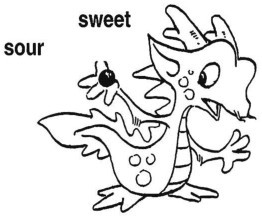
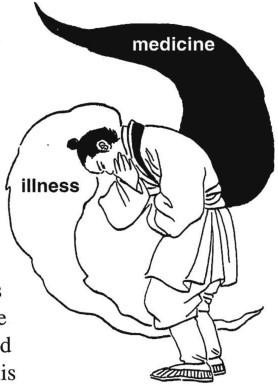
Phần 79
Trang 70
Illnesses often occur in different meridians and organs. Different drugs have different effects on each organ and meridian. The same drug that has effect on a particular disease may not be effective on another disease.
For example, Chinese ephedra is effective on diseases of the lung meridian but not the liver meridian; cinnabar works on the heart meridian but not the spleen meridian.
Medicines have two natures. On the one hand, they treat diseases and benefit the human body; on the other hand, they are toxic to a certain extent. If they are not used correctly, they will cause harm to the human body.
In traditional Chinese medicine, the benefits of a medicine are enhanced while its toxicity and harm to the human body are reduced to the minimum. In medical journals for traditional Chinese medicine, every item will be labelled as toxic, non-toxic, highly toxic or mildly toxic.
Highly toxic drugs are arsenic, croton etc; mildly toxic drugs are pharbitis seed, bitter almonds; non-toxic drugs are poria and liquorice.
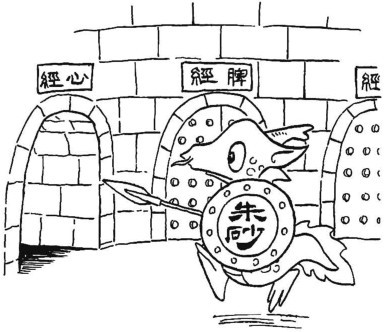
Phần 80
Making up a prescription
The combination of ingredients is known as a prescription. It combines the different properties of the various ingredients to enhance the effectiveness of the prescription. Alternatively, it also serves to moderate certain the side-effects of certain components used in the prescription and promote the effectiveness of the prescription.
Some medicines cannot be mixed together as they may become toxic or decrease the effectiveness of the prescription. In traditional Chinese medicine, the taboos in preparing a prescription are known as the 18 Incompatible Medicaments and 19 Medicaments of Mutual Inhibition.
- Aconite root (wutou) is incompatible with fritillary bulb, snakegourd fruit, pinellia tuber, baijian, bletilla tuber;
- liquorice is incompatible with gansui, dajian, seaweed, genkwa flower;
- lihui is incompatible with ginseng, shashen, danshen, xuanshen, xixin, peony root.
- Sulphur is inhibited by Chinese hackberry; silver is inhibited by arsenic;
- langdu root inhibits yellow lead; croton is inhibited by pharbitis seed; clove is inhibited by aromatic turmeric;
- nitre is inhibited by jingsanling; chuanwu and monkshood are inhibited by rhinoceros horn; ginseng is inhibited by wulingzhi; cinnamon is restrained by shizhi.
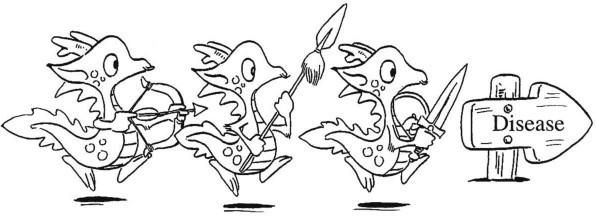
Phần 81
The principles behind a prescription
A prescription is made up with various principles in mind:
- Principal component: It has the principal curative action.
- Adjutant component: It strengthens the principal action.
- Auxiliary component: It tempers the action of the principal ingredients, thereby reducing and preventing the occurrence of side effects.
- Conductant: It directs action of the various components to the affected meridian or site.
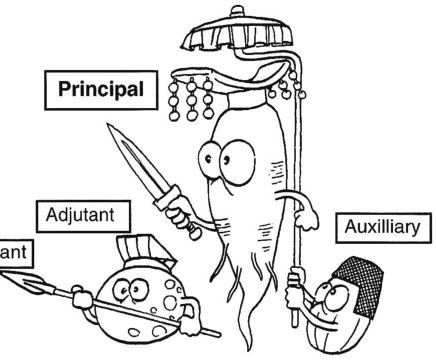
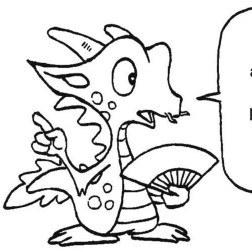
Phần 82
The Eight Principal Therapeutic Methods
By inducing perspiration in a patient, the pathogenic factors are expelled from the body. This method is often used in the treatment of diseases caused by external pathogenic factors like colds and fevers.
Vomiting is induced in a patient. This method is used in the treatment of overeating, indigestion, food poisoning or congestion of phlegm.
Laxatives are used to clear stagnation in the intestines and to relieve constipation or dysentery.
Where inducement of perspiration and diarrhoea are not advisable, this method will be used in the treatment of diseases due to partial interior and exterior factors. Examples are a poor appetite, headaches and dizzy spells, thirst and bitterness in the mouth etc.
Phần 83
Trang 74
It removes cold and restores yang in the body. It's primarily used to treat yin and cold syndromes. There are two types: restoring lost yang and cold-dispelling therapy.
Drugs with cold and cooling properties are used to reduce heat. This method treats ailments of the heat syndrome, like fevers, fidgetiness, fainting spells etc.
Treats food stagnation, clears phlegm, reduces swelling etc.
Boosts the yin, yang, qi and blood; strengthens the constitution. There are four ways of doing it: nourish the qi, nourish the blood, nourish the yin and nourish the yang.
Phần 84
Methods of delivery in traditional Chinese medicine
Traditional Chinese medicine takes many forms. There are medicinal soups, pills, ointment and medicated wines.
This is the most common method for treating acute illnesses. The medicine is boiled as a soup, and the dregs drained away. It is absorbed into the body faster and results show faster.
The medicine is ground into a powder and water or honey is added so that it can be rolled into balls. This method will take a longer time to show efficacy and is used over a longer period of time. It is ideal for chronic illness and prolonged weakness.
The medicine is ground into powder. It is taken with water for faster absorption or used in external applications. It is also applied in the throat and eyes. Ideal for acute illnesses.
The medicine is decocted until it thickens into a jelly, which may either be consumed orally or applied externally. It is ideal for chronic illnesses or to replenish the body. External application is often done by pasting oiled paper or a plaster over the ointment to treat boils, corns or rheumatism.
The medicine is soaked in wine and the dregs are removed. It is quickly absorbed into the body and takes effect fast. Often used to treat rheumatic pains and injuries from falls or blows.
Phần 85
How to decoct medicine
Decocting medicine is not as easy as it seems. If it is not done properly, it will affect the effectiveness of the recipe.
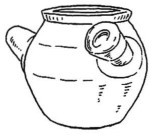
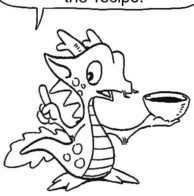
The best crockery to use are those made of ceramics as they will not have any chemical reaction with the drugs. As they conduct heat slowly, the medicine will not get burnt and stick to the bottom of the pot. Stainless steel and glass pots will also do. But you must avoid using bronze, aluminium and iron pots. These metal pots will have chemical reactions with the drugs and affect their effectiveness. They may even cause side-effects!
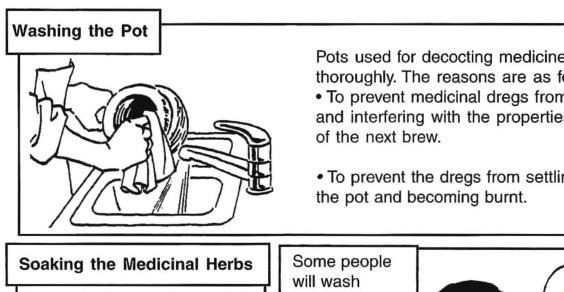
Pots used for decocting medicine should be washed thoroughly. The reasons are as follows:
- To prevent medicinal dregs from staying in the pot and interfering with the properties and effectiveness of the next brew.
- To prevent the dregs from settling at the bottom of the pot and becoming burnt.
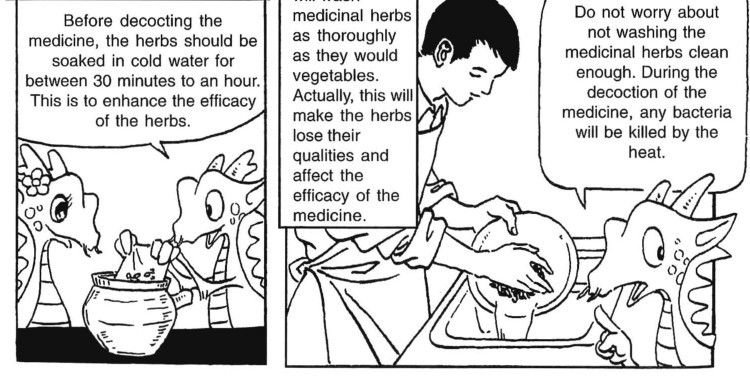
Before decocting the medicine, the herbs should be soaked in cold water for between 30 minutes to an hour. This is to enhance the efficacy of the herbs.
Some people will wash medicinal herbs as thoroughly as they would vegetables. Actually, this will make the herbs lose their qualities and affect the efficacy of the medicine.
Do not worry about not washing the medicinal herbs clean enough. During the decoction of the medicine, any bacteria will be killed by the heat.
Phần 86
Trang 77
Ideally, distilled water should be used to decoct Chinese medicine. However, drinking water will also suffice.
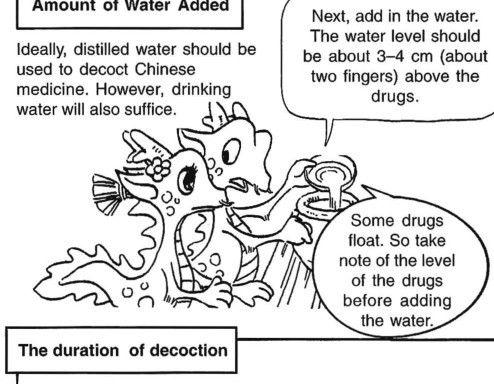
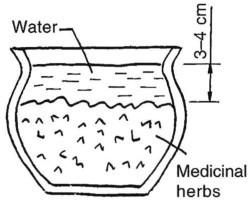
Next, add in the water. The water level should be about 3–4 cm (about two fingers) above the drugs. Some drugs float, so take note of the level of the drugs before adding the water.
Usually, decoction of medicine uses a strong fire to put the water to boil before lowering it to a slow fire. Tonics must be prepared over a slow fire.
Most Chinese medicines should be decocted at least twice. Only then can the active components be fully drawn out from the herbs.
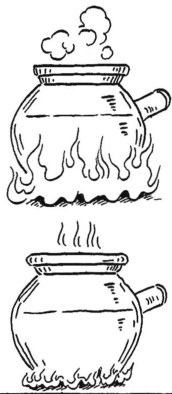
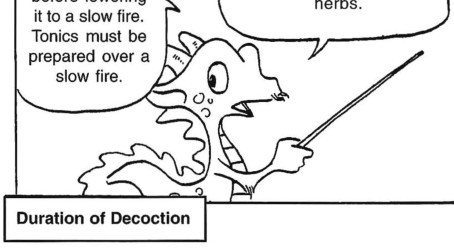
The amount of time spent to decoct the medicine depends on the type of medicine used and its medicinal purpose.
| First decoction | Second decoction | |
|---|---|---|
| Medicine for general ailments | Bring to boil and cook for 30 minutes | Bring to boil and cook for 20 minutes |
| Medicine to dispel exterior heat syndrome | Bring to boil and cook for 8–10 minutes | Bring to boil and cook for 5 minutes |
| Nourishing medicine | Bring to boil and cook for 60 minutes | Bring to boil and cook for 30 minutes |
Phần 87
Tips in Decocting Medicine
Advance decoction: Some herbs have to be decocted first before the rest are added. Advance decoction serves two functions:
- To help certain drugs dissolve faster. Advance decoction usually involves minerals, shells and animal horns as they take a longer time to dissolve.
- To reduce the toxicity. Some toxic drugs like chuanwu, shengfuzi and shanglu have to be decocted for at least two hours before their toxicity is dispelled.
To be added last: Some medicinal drugs like peppermint, danggui and dahuang easily lose their efficacy when they are boiled at high heat. So they are only added 5 to 10 minutes after the other medicinal drugs have been put in to heat.
Wrapped in bags: Some drugs have to be placed in gauze or tea bags before they are added to the pot. They are usually drugs which have fur, are not easy to strain or may cause discomfort to the throat. Also, certain drugs may stick to the pot if they are not placed in a bag.
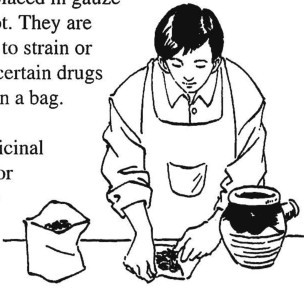
Separate decoction: Certain expensive medicinal drugs like the ginseng, American ginseng or antelope's horn are decocted separately to maintain their efficacy and prevent the other herbs from absorbing their medicinal properties.
Six ways to prevent the bottom of the pot from getting burnt:
1. Choose crockery that conducts heat evenly.
2. Clean the bottom of the pot thoroughly before decocting the medicine.
3. Place medicines that are sticky or fibrous in a bag before adding them to the pot.
4. Decoct the medicine over a low fire with the pot covered.
5. Make sure sufficient water is added.
6. Stir the mixture at regular intervals during decoction.
Phần 88
Trang 79
Oh no! I forgot to keep time. The water has dried up. What shall I do? Let's add more water!
You can't do that! The effectiveness of the medicine has been destroyed. This pot of medicine cannot be consumed. We have to decoct another pot of medicine.
Mix the medicine from the two decoctions. When is the best time to consume Chinese medicine?
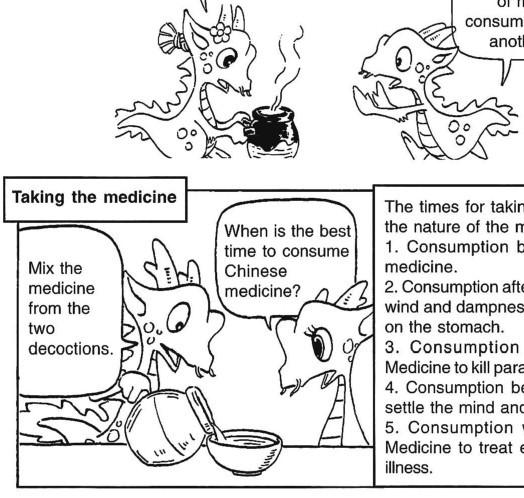
The times for taking the medicine depend on the nature of the medicine:
1. Consumption before a meal: Nourishing medicine.
2. Consumption after a meal: Medicine to dispel wind and dampness or medicine that is strong on the stomach.
3. Consumption on an empty stomach: Medicine to kill parasites and treat constipation.
4. Consumption before bedtime: Medicine to settle the mind and the heart.
5. Consumption without restricted timing: Medicine to treat exterior syndrome or acute illness.
- Staggered consumption: Take one dosage once or twice a day. It is suitable for general illnesses. Chronic illnesses may require one dosage once every two days.
- One-time consumption: Finish one dosage at one consumption. It is suitable for acute illnesses. Sufferers of serious illnesses may take two to three dosages a day.
- Frequent consumption: The medicine is taken in small doses but more frequently. There is no fixed time to take it. It is usually the case for throat and oral cavity ailments.
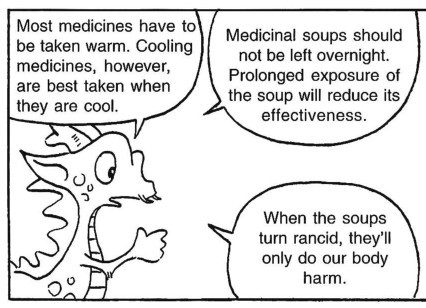
Most medicines have to be taken warm. Cooling medicines, however, are best taken when they are cool.
Medicinal soups should not be left overnight. Prolonged exposure of the soup will reduce its effectiveness. When the soups turn rancid, they'll only do our body harm.
Wow! There's so much to remember about taking a bowl of medicinal soup!
Phần 89
Things to note when taking Chinese medicine
One should avoid taking cold and raw foods, oily foods and foods that are hard to digest when on Chinese medication. That will help reduce the burden on the digestive system and allow the medicine to be absorbed better.
At the same time, avoid garlic, onions and chilli.
Certain Chinese medicines should not be taken with Chinese tea. If you must have Chinese tea, drink it two to three hours after taking the medicine. However, there are certain Chinese medicines which have to be taken with Chinese tea. An example is the chuanxiong rhizome.

Chinese medicine takes a longer time to show efficacy. It is not immediate. Chinese medicine is unlike western medicine which has a course to follow. In general, the course of Chinese medicine depends on how serious the disease is, the patient's response to the medication and many other factors. The course may be as short as a few days to as long as several years.
Certain Chinese medicines are harmful to foetuses and may induce miscarriage. They should never be taken during pregnancy. Generally, these drugs may be classified as taboo drugs and drugs to be taken in moderation.
Taboo drugs: Toxic and potent drugs such as croton, pharbitis seed, dajian, mylabris, pokeberry root, sanling, leech, mercury, arsenic and gansui should never be ingested.
Medicines to be taken in moderation: Medicines that clear the meridians, bruises and stagnation of qi, and pungent medicines may be ingested in moderation, depending on the expectant mother's condition. They include peach kernel, safflower, zhishi, dahuang, dried ginger, cinnamon, changshan and Jack-in-the-pulpit tuber.
Phần 90
The Legend of Picking Medicines
We often see rows of little drawers behind the counter at a Chinese medical shop where the shop assistant will get the medicines from.
It is believed that this tradition of picking medicines was a legacy left behind by Sun Simiao, the King of Medicine who lived during the Tang Dynasty.
Sun Simiao often peddled his medical skill. Due to the many types of medicines he had to carry with him, he had an apron with many pockets sewn to store the drugs.
One day, Sun Simiao arrived at a small village.
"I've picked so many herbs today."
He saw a lady who had been bitten by a dog.
"Ah! Ah! This hurts terribly!"
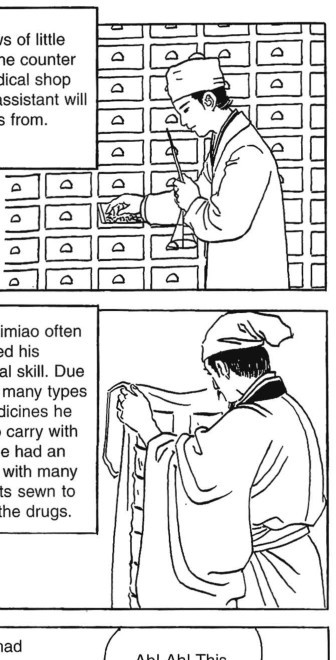
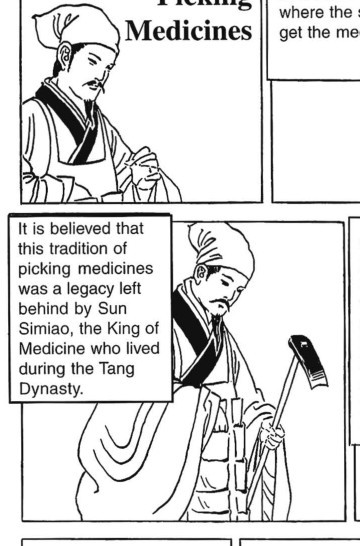
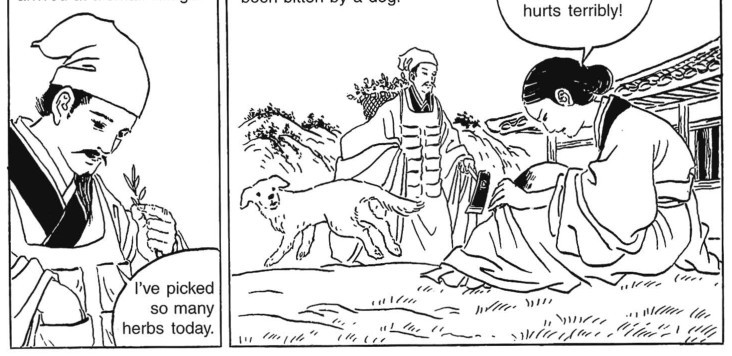
Phần 91
Trang 82
"Let me apply some medicine on you."
The King of Medicine reached for his medicines without delay.
"How are you feeling?"
"The bleeding has stopped. It's also less painful now."
As the amount of each medicine used in a prescription was little, people began to call this way of taking the medicines 'picking medicine'.
Later, in order not to confuse the wide variety of drugs, shopkeepers of medical shops followed the King of Medicine's method of storing the medicines in little compartments. These compartments are further divided into three or four smaller compartments to store different medicines.
To this day, whenever one buys medicines from a medical shop, it is also known as picking medicine.
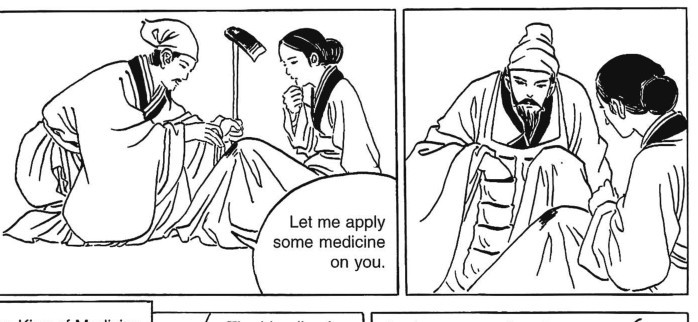
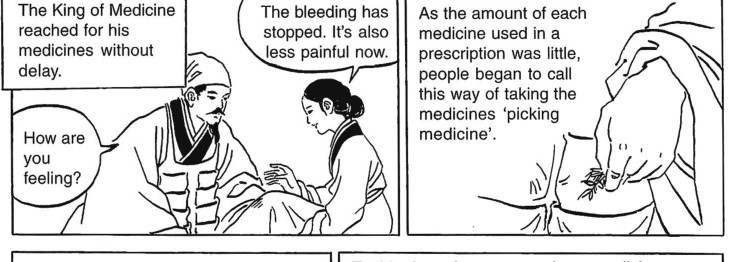
Phần 92
The Secret Prescription
"Lad, how come I don't seem to understand what the physician has written?"
"His prescriptions are secret. So he had them written in a riddle form. Only we will understand what he's written."
"Where is the physician?"
"He's inside. Please go in."
"He does not seem to be a local."
"Your illness is not serious. Follow this prescription I've given you."
"Thanks! I'll fill this when I return to my hometown."
"Take care."
"Oh no!"
"I forgot to tell him that the prescription is different from the usual ones!"
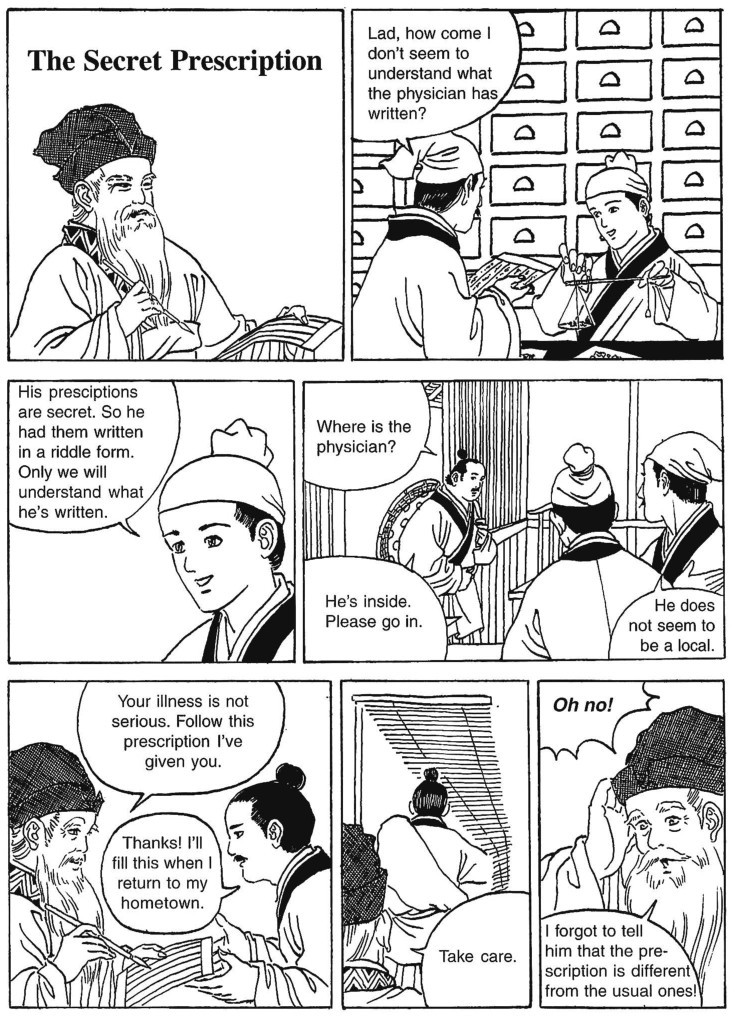
Phần 93
Trang 84
"What herb is this?"
"I don't have it in my shop."
"I've been to several shops and they all tell me the same thing."
"Let me take a look at the prescription."
"Haha! I know this riddle! Let me write you another prescription."
"I see! These are the medicines you need. Lad, take a look."
"We have all these medicines."
"Writing the prescription as a riddle is quite an interesting idea!"
- Nine deaths and one life - duhuo (pubescent angelica root), Stepping on flowers are the butterflies - xiangfu, twenty-one - sanqi (notoginseng), Thousand-year attack - tangerine peel, shepherd boy - qianniuzi (pharbitis seed)
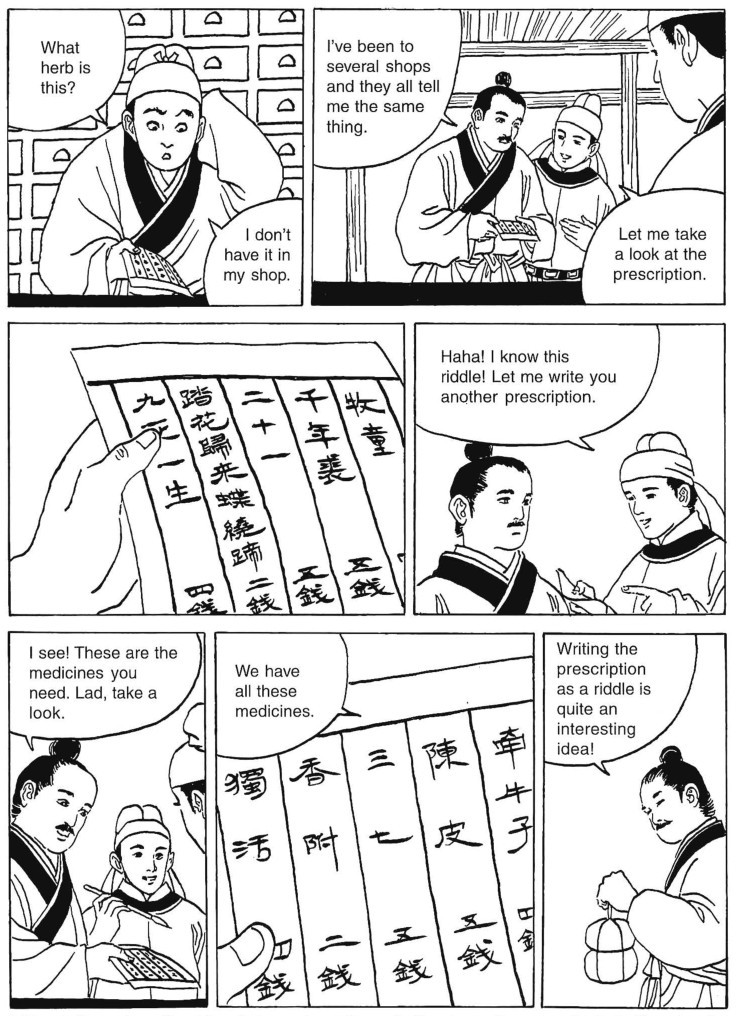
Phần 94
Table of commonly used Chinese medicines
Ephedra, saposhnikova root, fresh ginger, schizonepeta, lanxiang root, dahurian angelica root, peppermint, mulberry leaf, chrysanthemum, kudzuvine root, bugbane root.
Rhubarb, honey, pharbitis seed, genkwa flower.
Talc, abalone shell, aloe, selfheal spike.
Bezoar, peony bark, gromwell root, baimao root, starwort root.
honeysuckle flower, forsythia root, dandelion herb, oldenlandia.
Green bean, hyacinth seed, eupatorium.
Pubescent angelica root, acanthopanax bark, flowering-quince fruit, cocklebur fruit, suanpanzi.
Typhonium tuber, dried ginger, Chinese cinnamon, clove, fennel fruit.
Poria, plaintain seed, wax-gourd peel, ricepaper-plant pith, loosestrife.
Jack-in-the-pulpit tuber, monkshood daughter root, milkwort root, fritillary bulb, seaweed, sea tangle.
Apricot kernel, balloonflower, gingko seed, loquat leaf, mulberry bark.
Phần 95
Table of commonly used Chinese medicines
tangerine peel, flatsedge tuber, finger citron, eaglewood, cardamon, costus root.
Chuanxiong rhizome, red sage root, peach kernel, wenyujin rhizome, turmeric root, sappan wood.
Notoginseng, agrimony, argyi wormwood leaf, burnet root.
Ginseng, liquorice, Chinese date, baishu.
Angelica root, fleeceflower root, mulberry fruit, mulberry mistletoe.
Asparagus root, lily bulb, glossy privet fruit, solomonseal rhizome, wolfberry.
Gecko, curculigo rhizome, dodder seed.
cinnabar, spiny jujube seed, silktree flower.
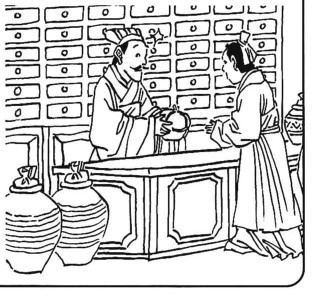
Phần 96
Method Two — Acupuncture and Moxibustion
"My head hurts."
"Let me help you!"
"Ouch! Why are you poking me with a needle?!"
"This is known as acupuncture. It's amazing!"
"You're poking me with a sewing needle?!"
"How are you feeling?"
"Do you feel numbness or pain? Tell me!"
"It's very painful! Sob... sob..."
Isn't it amazing that a needle is able to relieve pain in the body?
Acupuncture and moxibustion are remarkable features of techniques in traditional Chinese medicine. They are used in the treatment and prevention of many diseases. The effects are almost immediate and side-effects seldom arise.
Acupuncture and moxibustion are two different types of treatment. Both methods stimulate the acupoints on the body surface to bring about a harmony of the qi, blood, yin and yang in the afflicted body part.
Acupuncture
Moxibustion
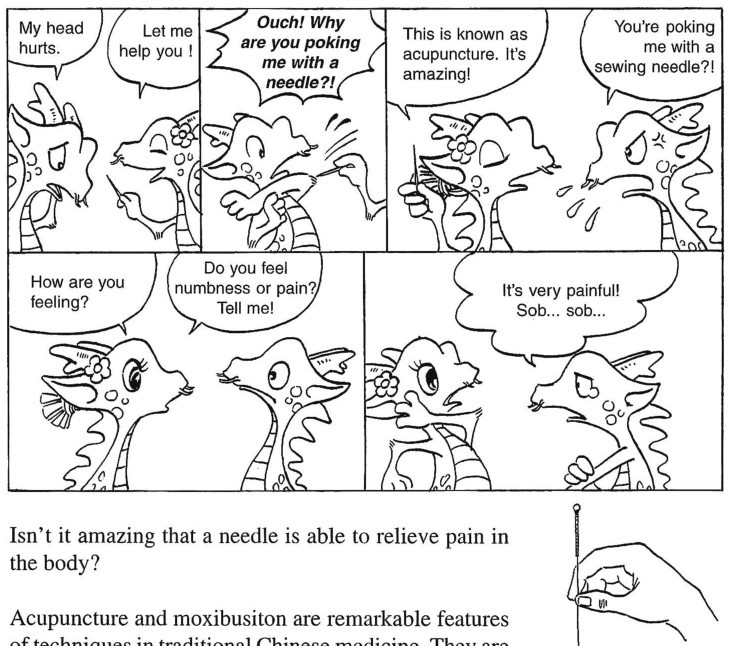
Phần 97
The origins of acupuncture
These two methods of treatment can be traced back to the use of stone needles during the New Stone Age. At that time, they used needles of various shapes and sizes made from bones.
In the post-Zhou Dynasty era, metal acupuncture needles made their first appearance. The use of needles to treat diseases was already very popular.
During the Qin and Han Dynasties, acupuncture had already spread to Japan and Southeast Asia. The Europeans began to learn of acupuncture during the 17th century. At present, more than 120 countries and regions have practitioners of acupuncture. It has been playing a significant part in the human health sciences.
Needles made of bone
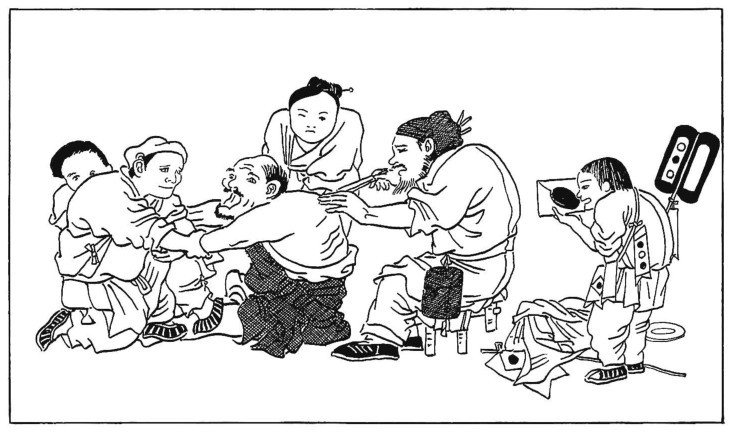
Phần 98
How acupuncture is carried out
Acupuncture involves the insertion of needles into the skin of a patient. Very fine needles made of metal or stainless steel are commonly used. They come in various lengths measuring from 15 milimetres to 100 milimetres. Their thicknesses also vary.
The acupuncturist will select the type of needles used based on the patient's state of health and physical condition. For example, in areas which are more fleshy and muscular, longer and thicker needles will be used. Shorter and finer needles are used for the chest and back areas.
After inserting the needle into the acupoint on the skin surface, he may move the needle in a variety of ways to exert varying degrees of stimulation on that acupoint. The patient will feel sore, numb and bloated in the spot where the needle has been inserted. This condition is known as 'getting the qi'. If such a condition is absent, it is probably due to the wrong acupoint being chosen and hence failure to treat the afflicted part.
Lift and thrust method:
When the needle has been inserted, the needle is lifted and thrusted into the skin surface or muscles.
Rotating method:
When the needle is secured in the skin surface, the thumb, the index finger and the middle finger will then hold on to the needle and rotate it back and forth.
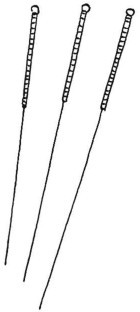
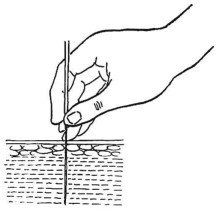
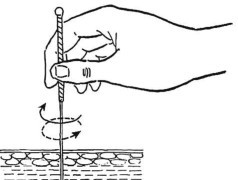
Phần 99
Trang 90
Flicking method:
The index finger or the middle finger is used to flick the needle to cause vibrations, hence hastening the flow of qi.
Rocking method:
Once the needle is inserted and secured, it is bent from side to side to allow the needle to make its impact greater.
Intermittent rotating method:
The needle is rotated vigorously before the thumb and the index finger are removed. The procedure is repeated.
Phần 100
Ear-acupuncture therapy
The ear has reactive points with various diseases. That is why carrying out ear-acupuncture on these points will effect treatment of diseases. Ear-acupuncture is used to treat a wide variety of diseases like various pains, phlegm, sensitivity, emotional upset, infectious diseases, chronic diseases etc. It may also be helpful in treating nicotine and other drug addictions as well as aiding weight loss etc.
Diagram of acupoints in Ear-acupuncture.
Phần 101
Moxibustion
Moxibustion involves the use of lit moxa wool, a moxa stick or moxa cone to burn the acupoint, thereby regulating the qi and blood through the heat. Moxa is pungent to the taste and warm in nature. It therefore warms the collaterals and meridians and helps expel cold and dampness.
During treatment, one end of the moxa stick is lit and placed on the acupoint or held at about one milimetre away from the acupoint.
Sliced fresh ginger or sliced garlic is also used to form a barrier between the moxa and skin surface.
After a moxibustion session, it is normal for the skin to be slightly red.
Moxibustion is used to treat yin, interior, deficiency and cold syndromes, such as chronic pathogenic cold and wind factors.
Phần 102
Bian Que Restores Life with Acupuncture
The famous physician Bian Que of the Warring States Period travelled through the State of Guo one day.
"It's too late. He has just passed away."
"Your Majesty, I heard the Crown Prince is gravely ill. Let me see him."
"Ah! He still has a pulse."
"Sir, why are you inserting needles into the Crown Prince's corpse?"
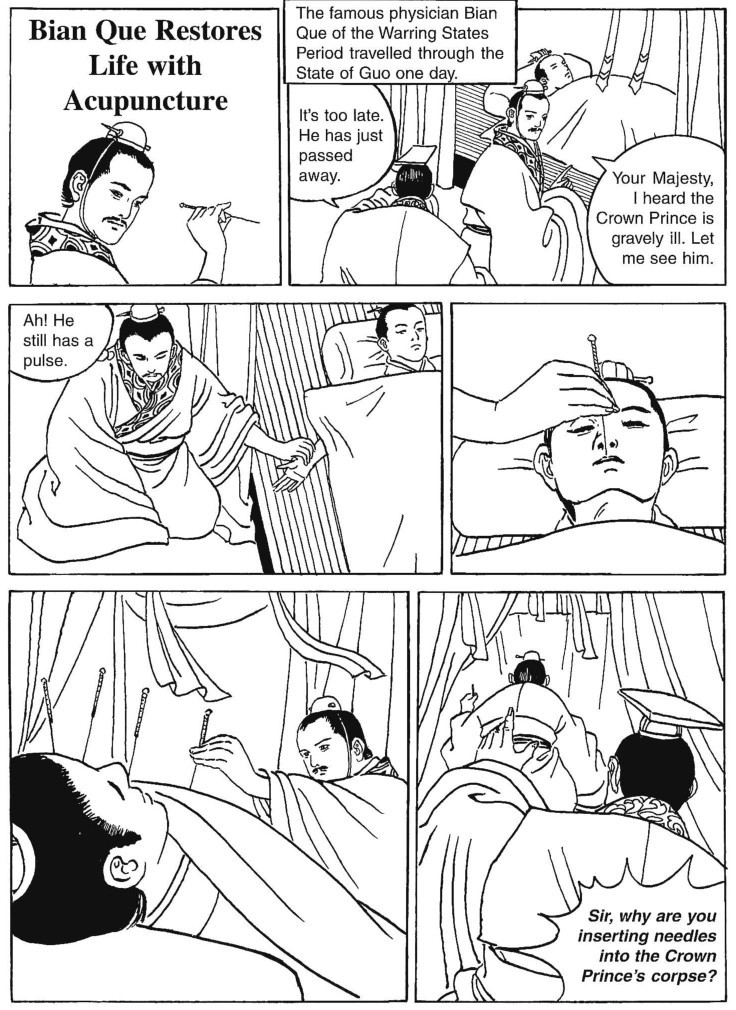
Phần 103
Trang 94
"The Crown Prince isn't dead."
"The flows of his qi and blood were reversed, causing the immobility of his body."
"That is why it looks like he is dead."
"You mean you have a way to bring him back to life?"
"Acupuncture will be able to save him."
"I have just treated the Crown Prince. He should regain consciousness soon."
Next, Bian Que had his apprentice prepare moxibustion medicines to place below the Crown Prince's armpits.
"The Crown Prince is able to get up and sit on the bed. He is out of danger now."
After 20 days of treatment, the Crown Prince made a complete recovery.
"You are truly a divine physician who can bring the dead back to life!"
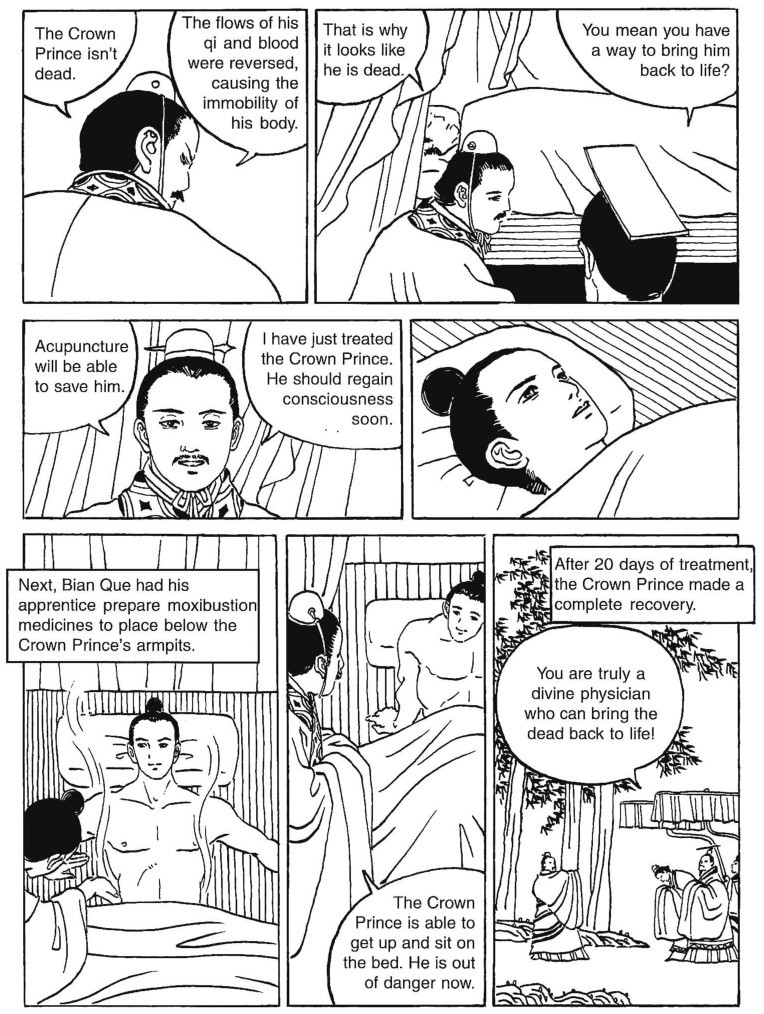
Phần 104
Wang Weiyi Creates the Bronze Man
Wang Weiyi was an imperial physician during the Northern Song Dynasty. His job was to teach acupuncture.
"Acupuncture is taught in this court. Make sure you master it."
"You have to commit the acupoints to memory. Just one slip and it may cost a life."
"Sir, I have no problem remembering all the acupoints."
"But I am terrified of inserting needles into a living person."
"Come, let me demonstrate how it should be done."
"Tremble..."
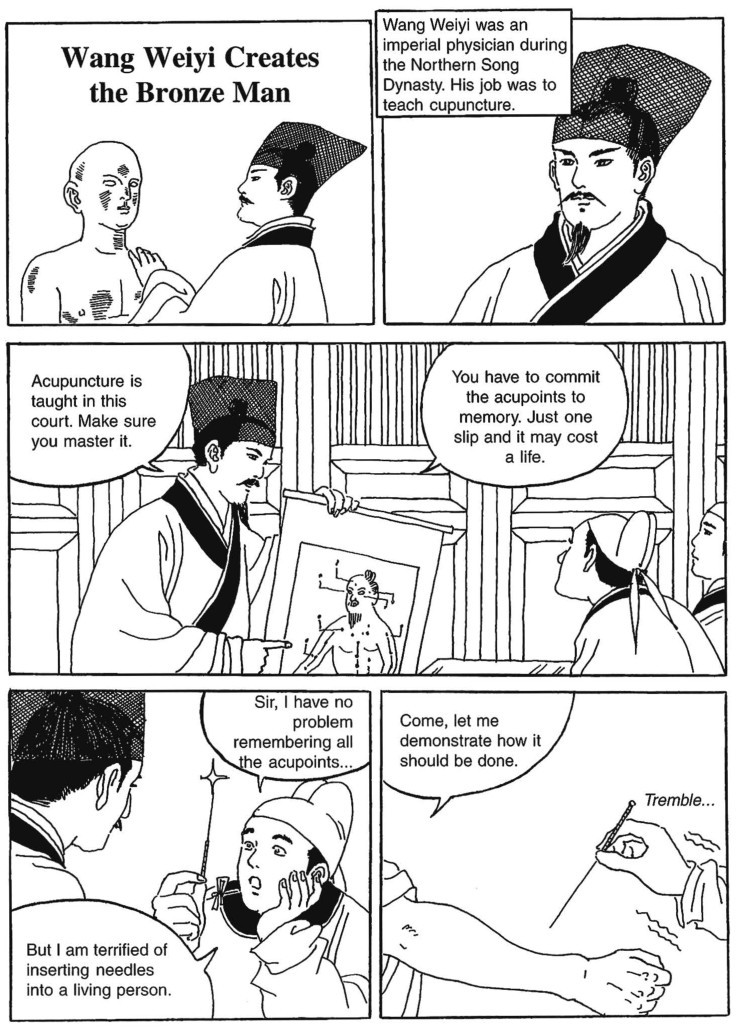
Phần 105
Trang 96
"Do you call this acupuncture?"
"Please forgive me, Sir. I don't wish to create unnecessary holes on you. But if you were made of wood, I would have gone ahead with it."
"A wooden man? You have given me a wonderful idea."
"Using an anatomical model of the human body in class is a good idea."
In 1027, Wang Weiyi created two bronze anatomical models of the human body.
"Sir, His Majesty is here to look at the bronze models."
"The bronze man measures 172.5 cm in height. It has the collaterals and meridians as well as 657 acupoints indicated on it."
"Ah! The chest opens to reveal the zang and fu organs!"
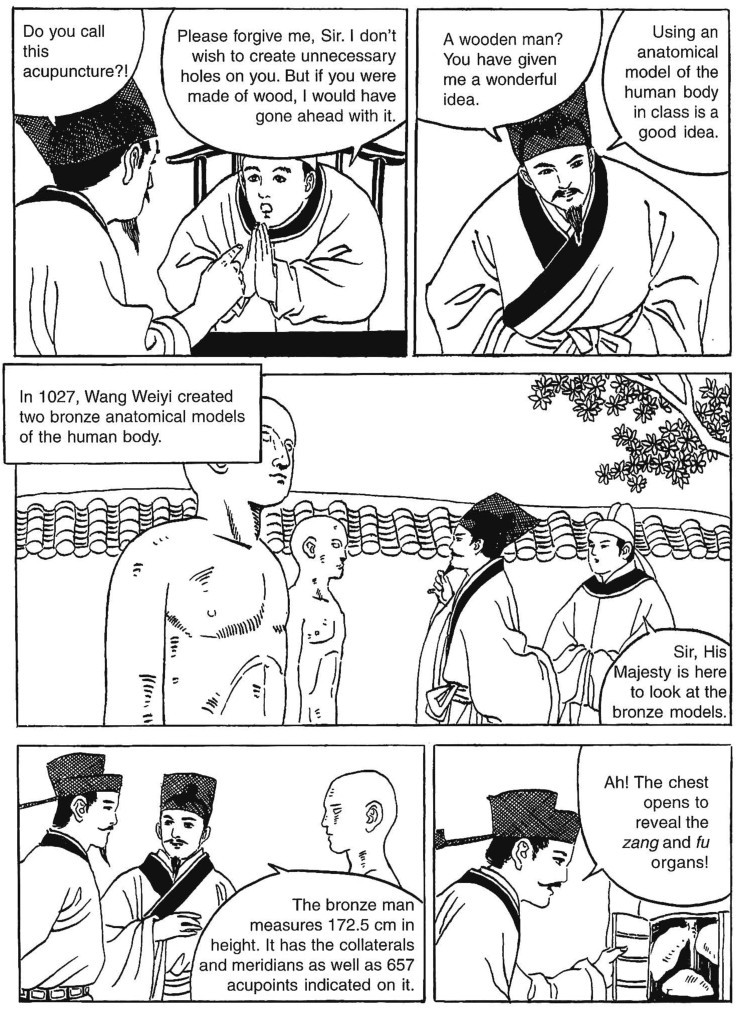
Phần 106
Trang 97
"Your Majesty, we plan to apply a layer of wax on the model before we put the students to the test."
"How do we use this bronze man?"
"It will also be filled with water."
"The students will then select the acupoint based on the question thrown to them."
"Look, once the needle is inserted in the right position, water will flow out."
"If the needle misses the acupoint, it won't be able to penetrate into the bronze man."
"This is amazing! We'll place one model in the Daxiangguo Temple and one in the Imperial Medical College."
"This is great! My hands won't be trembling when I have to practise acupuncture."
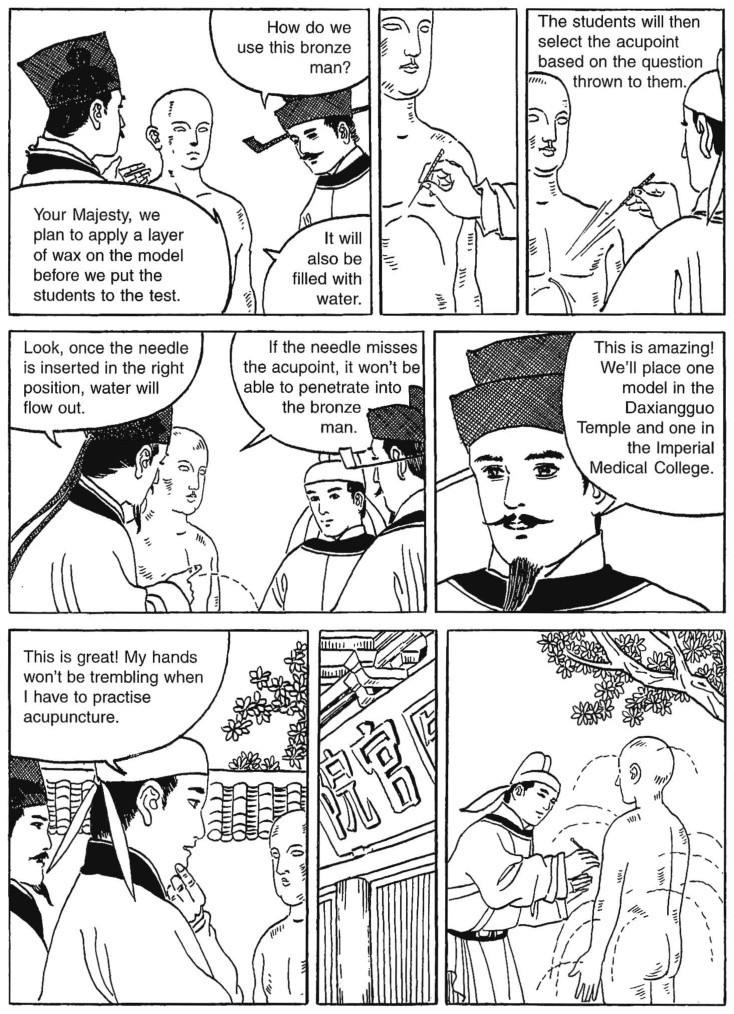
Phần 107
Trang 98
The bronze man was regarded as a national treasure. In 1128, the Jins invaded Song and even demanded the bronze man as one of the conditions for a truce.
During the Yuan and Ming dynasties, further improvements were made to the bronze man. It is a shame that the bronze man from the Song Dynasty was lost through the changes of dynasties.
But during the Ming and Qing dynasties, the bronze man saw a revival. Acupuncture was thus re-introduced to the people.
The bronze man has played a key role in contributing to the promotion of acupuncture. Incidentally, it is also the world's first model based on the human anatomy.
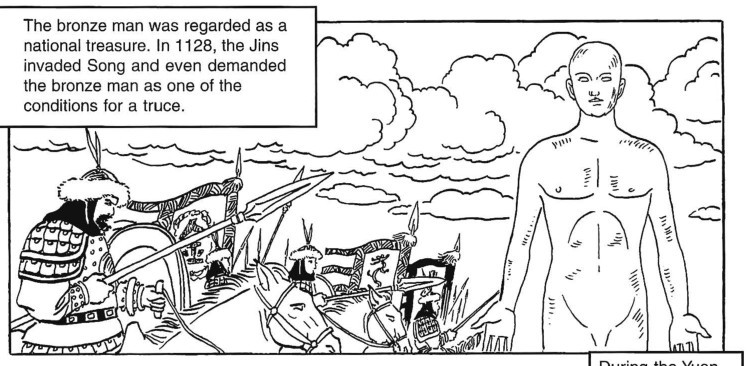
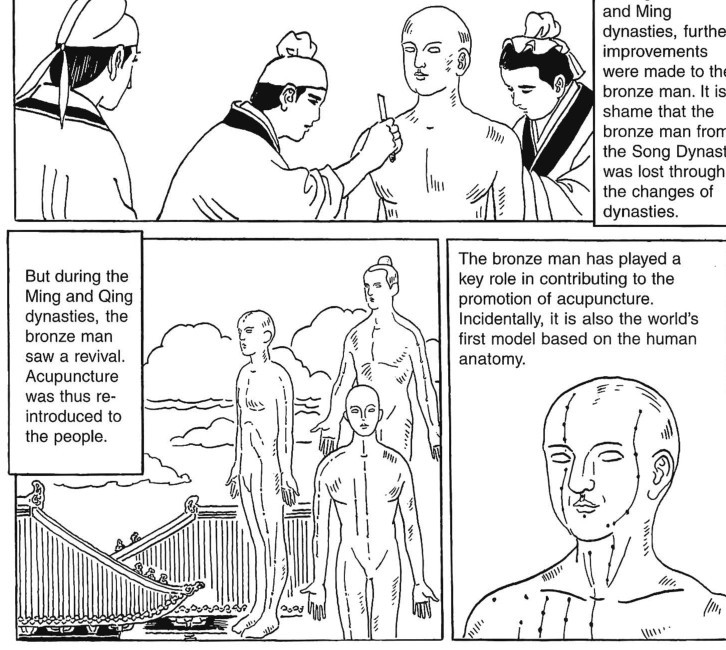
Phần 108
Method Three — Massotherapy
Massage pushes, presses, kneads or rubs the body to stimulate blood circulation, increase the skin's resistance level and regulate the nervous system.
"These days, the uses of massage have evolved to include promoting good health and strengthening the physique. It is no longer limited to the treatment of diseases. Regular massage will relieve fatigue and perk one up!"
"Does massotherapy mean to 'push' and 'grasp'?"
"There are eight common types of massage. Pushing and grasping are just two types."
Pushing: Pushing and squeezing the muscles with the fingers, palms, or elbow forward and backward.
Grasping: Lifting and squeezing the skin or muscle with three or five fingers of one or both hands.
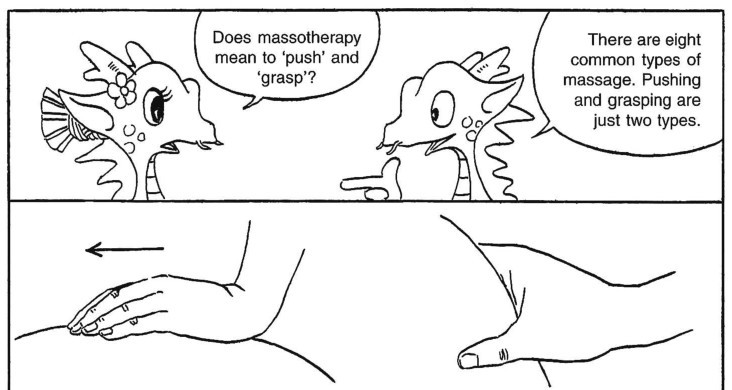
Phần 109
Trang 100
- Pressing: Pressing the acupoint or affected part with the thumb, palm or knuckle.
- Tapping: Tapping a point on the patient's body with the fingertips.
- Fingernail-pressing: Pressing at a point on the body with a finger-nail to produce a strong stimulation.
- Massaging: Rubbing the affected part with the fingertips or the palm in a circular motion.
- Foulage: Kneading and pressing the muscles of the limbs with the palms.
- Patting: Patting gently with the palm or side of the hand to cause relaxation.
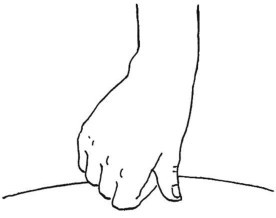
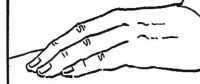
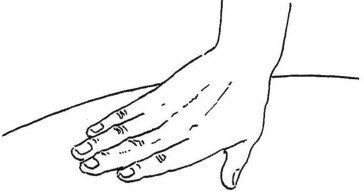
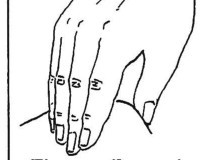
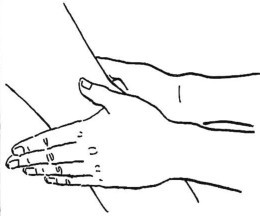
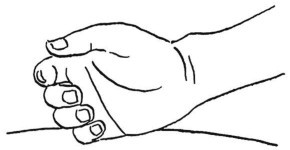
Phần 110
Trang 101
"It is when the manipulation of the acupoints cause soreness that the acupoints have gained qi."
"If there is only pain with no soreness, it may be due to harsh massotherapy or wrong identification of acupoints."
Massotherapy covers a broad spectrum of systems like the nervous system, muscular system, respiratory system, digestive system etc. It has been proven to be effective in treating ailments of these systems.
We often watch on television how doctors will press on a patient's chest to try to return a regular heartbeat to the patient, thereby reviving him or her. This is also a technique used in massotherapy. During the Eastern Han Period, the famous physician Zhang Zhongjing introduced this method in Synopsis of The Prescriptions of Golden Chamber.
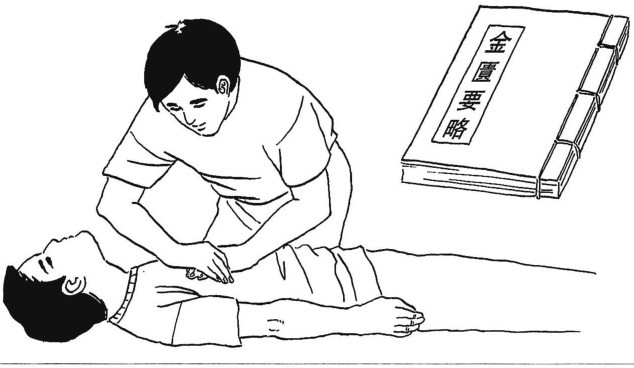
Phần 111
Foot reflexology
Foot reflexology has become very popular in recent years. Chinese physicians believe that there are six main channels and 66 acupoints on a person's foot and that these are correlated to many organs in one's body. Through the stimulation of these acupoints, it is possible to maintain good health and treat disease. Foot reflexology helps to boost blood circulation, increase metabolism, promote hormonal balance, expel harmful toxins from the body, relieve exhaustion, maintain and improve one's complexion etc.
Diagram of acupoints in foot reflexology
- A. Head
- B. Thyroid gland
- C. Lung
- D. Heart
- E. Liver
- F. Stomach
- G. Spleen
- H. Pancreas
- I. Right kidney
- J. Left kidney
- K. Duodenum*
- L. Large intestine
- M. Small intestine
- N. Right knee
- P. Left knee
- P. Urinary bladder
- Q. Reproductive organs
\* The first part of the small intestine connecting to the stomach.
There are four basic methods in foot reflexology:
- Foulage, rubbing and kneading
- Stretching
- Stretching
- Twisting
"Do remember to drink water after a foot reflexology session. Body wastes are accumulated in the kidneys during foot reflexology. Hence consumption of water will help expel these body wastes through the passing of urine."
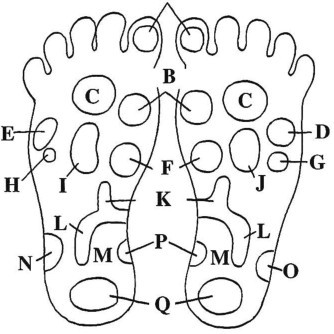
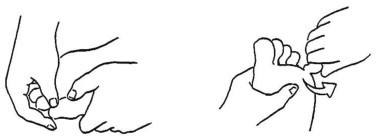
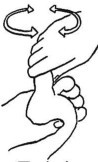
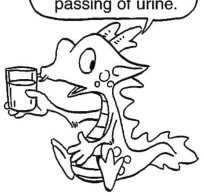
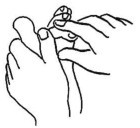
Phần 112
Other Methods in Foot Reflexology
Traditional Chinese medicine believes that the act of washing feet also has massotherapeutic effects. The washing of feet is best done before bedtime. It is a simple method. Fill a basin with warm water and soak your feet in it. Rub your feet at the same time. This will not only clean the feet but also boost blood circulation, treat diseases and strengthen the constitution. You may also add marbles in the basin and step on the marbles.
Some slippers come with little bumps on them. Wearing these slippers also massages the feet.
Walking on a pebbled path barefooted is like having foot reflexology and has therapeutic effects.
"You may also step on pebbles at home!"
"Just place the pebbles in a cloth-bag and you may step on it any time you like!"
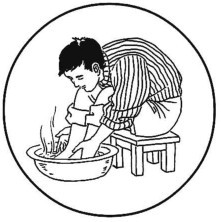
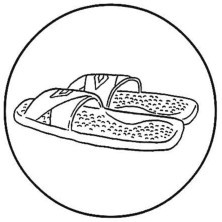
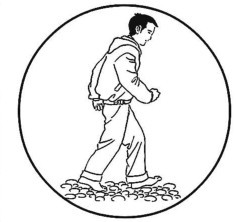
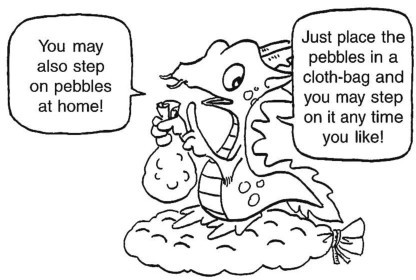
Phần 113
Method Four — Diet Therapy
"Why are you looking listless? Are you feeling unwell?"
"Let me see if I can help you. I've just learnt about diet therapy. You needn't take medicine or go for an injection."
"I'll make you lotus root soup, carrot congee, persimmons, watermelon, mango..."
"I ate too much just now. I feel like sleeping now."
"Then you should take foods to aid digestion..."
Diet therapy uses the food we eat daily to treat or assist in the treatment of diseases.
Long ago in China, food and medicine were already considered to go hand in hand. Many plants were actually once food. As time passed, they became widely used as medicines.
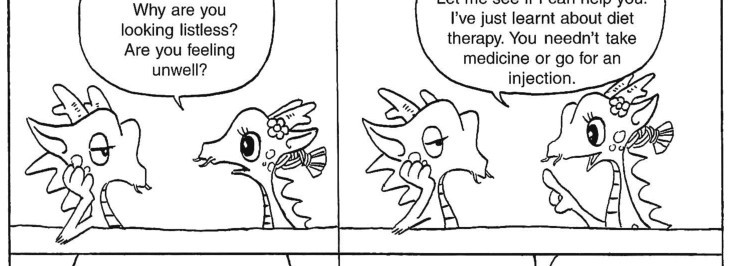
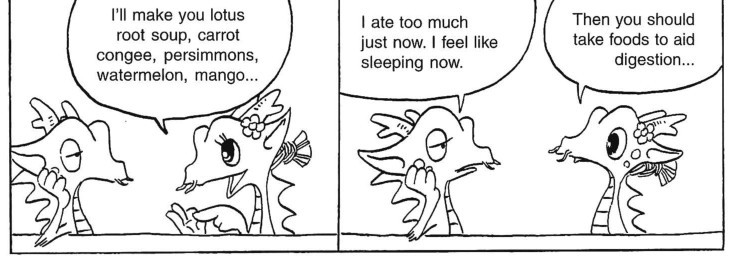
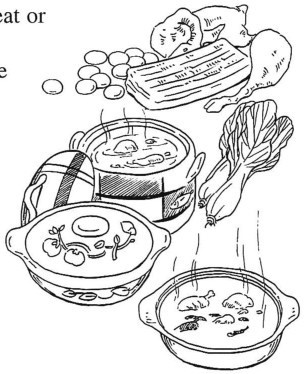
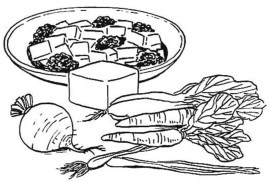
Phần 114
Dieticians
The famous physician Sun Simiao once said:
"To keep ourselves in good health, we have to depend on food. It is only in times of serious illness that medicines are prescribed. A poor knowledge of the right diet will not keep us healthy. A good physician ought to know the cause of a disease and find out where the afflicted part is. Treat the disease with diet therapy first. Prescribe medicine only if this fails."
In the Early Qin period, medical practitioners were already categorised into four groups: surgeons, physicians, dieticians and veterinarians. The dietician, in particular, would take care of the kings' and emperors' diets. He would plan the menu based on the season and the person's state of health to maintain the latter's good health and prevent disease.
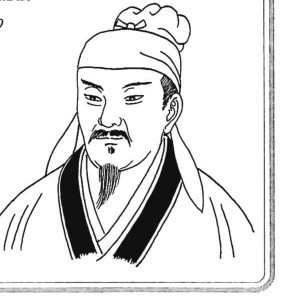
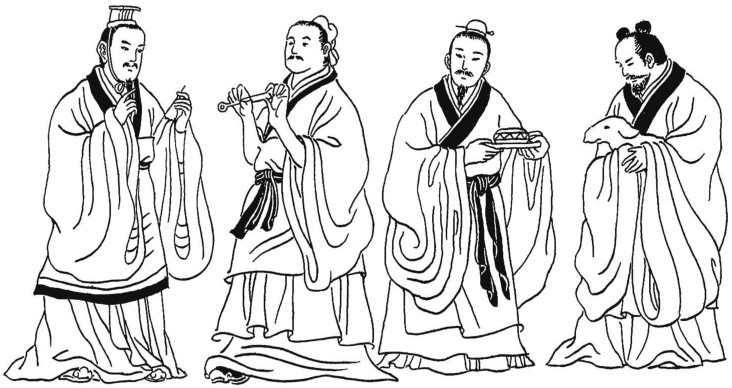
Phần 115
The relationship between diet and diseases
| Vegetables | |
|---|---|
| Caixin (flowering cabbage) | Aids digestion, promotes the metabolism. |
| Lily bulb | Diuretic, arrests bleeding, brings down swelling. |
| Leaf mustard | Improves vision. |
| Broccoli | Moistens the intestines, removes excess heat. |
| Cabbage | Benefits the kidneys. |
| Spinach | Nourishes the blood, removes excess heat and toxins, clears the intestines and stomach. |
| Bittergourd | Removes excess heat, nourishes the qi. |
| Towel gourd | Replenishes the blood, removes toxins and phlegm and relieves pain. |
| Cucumber | Diuretic, quenches thirst. |
| Winter melon | Removes excess heat, diuretic. |
| Fresh ginger | Disperses cold, prevents nausea, clears phlegm and toxins. |
| Lotus root | Arrests vomiting of blood, reduces fatigue, clears excess heat. |
| Carrot | Prevents infection, relieves facial swelling and toxins. |
| Tomato | Alleviates pain, disperses blood, lowers swelling. |
| Mushroom | Aids digestion, lowers blood pressure. |
| Pea | Nourishes the qi, arrests bleeding, diuretic. |
| French bean | Nourishes the blood, improves vision, prevents flaccidity of lower limbs. |
| Onion | Induces perspiration, aids digestion, treats colds. |
| Red pepper | Dispels cold and dampness, rejuvenates. |
| Lentil | Good for weak spleen and stomach, treats diarrhoea. |
Phần 116
Trang 107
| Fruits | |
|---|---|
| Mango | Treats coughs, nausea and dizziness. |
| Watermelon | Diuretic, relieves heat, treats inflammation of the kidneys. |
| Grape | Nourishes the blood, diuretic, treats liver diseases. |
| Pomelo | Aids digestion, neutralises toxins from alcohol. |
| Pear | Treats coughs and clears phlegm, quenches thirst, moistens the heart and lungs. |
| Sugar cane | Treats infection, nourishes the spleen, quenches thirst, clears toxins. |
| Loquat | Treats coughs and moistens the lungs. |
| Persimmon | Improves appetite, clears infection, treats coughs and moistens the lungs. |
| Longan | Nourishes the blood, sedative, improves appetite and nourishes the spleen. |
| Lychee | Quenches thirst, clears the mind. |
| Starfruit | Quenches thirst, clears heat, treats sore throats. |
| Papaya | Improves vision, clears heat, clears heat in the intestines, aids digestion. |
| Apple | Nourishes the heart and qi, promotes body fluid, quenches thirst. |
| Lemon | Helps in weight loss, aids digestion, clears the qi. |
| Banana | Quenches thirst, moistens the lungs and intestines, clears the blood vessel. |
| Guava | Diuretic, treats constipation. |
| Mandarin orange | Clears stagnation of qi, treats coughs and removes dampness. |
| Luohan fruit | Clears heat, treats coughs. |
| Pineapple | Quenches thirst, prevents heatstroke, brings down swellings and removes dampness. |
| Peach | Treats infection, clears blood clots, prevents constipation. |

Phần 117
Trang 108
| Others | |
|---|---|
| Red bean | Diuretic, treats flaccidity of lower limbs and water retention. |
| Green bean | Diuretic, clears heat. |
| Sesame | Nourishes the liver and kidneys; promotes blood. |
| Peanut | Arrests bleeding, improves the complexion, treats flaccidity of lower limbs. |
| Chestnut | Nourishes the kidneys. |
| Melon seed | Improves radiance, nourishes the qi. |
| Walnut | Improves complexion, promotes black hair, replenishes energy. |
| Olive | Good for hangovers, prevents coughs. |
| Sweet potato | Strengthens the spleen, stomach and kidneys. |
| Potato | Lowers blood pressure, treats gastric ulcers, asthma. |
| Corn | Strengthens one's body, nourishes one's brain, promotes bowel regularity. |
| Yam | Strengthens the intestines, treats diarrhoea. |
| Sunflower | Promotes blood, moistens the intestines. |
| Rose | Benefits qi and promotes blood, clears bruises and relieves pain. |
| Lily petals | Clears heat, sedative, prevents coughs and clears phlegm. |
| Chrysanthemum flower | Improves vision, clears heat, regulates blood pressure. |
| Beancurd | Clears the intestines and stomach, nourishes the qi. |
| Black moss | Nourishes the blood, promotes black hair. |
Phần 118
The Five Flavours of food
"The five flavours of food are sour, salty, pungent, bitter and sweet. Each flavour benefits a different organ in our body."
"I see! So I just need to keep eating to benefit my body!"
"That's not the right way. The five zang organs work to balance one another."
"If you overeat one type of food, it will cause harm to another organ."
"Eating sour food in moderation benefits the liver. But indulging in it will harm the spleen."
"If the spleen does not function properly, it will affect the kidneys. Bad kidneys will affect the heart and lungs. The lungs will in turn affect the liver. It will be a vicious circle."
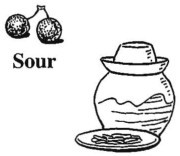
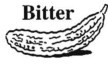
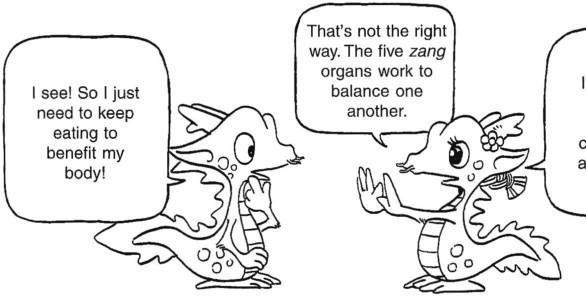
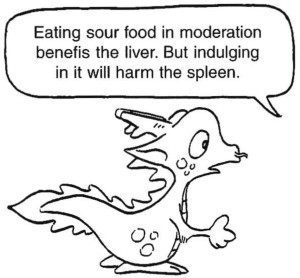
Phần 119
The relationship between the Five Flavours and Five Zang Organs:
- Liver — Sour
- Heart — Bitter
- Lung — Pungent
- Spleen — Sweet
- Kidney — Salty
| Flavour | Effect |
|---|---|
| Overly Sour | The skin will become thick and wrinkled. Those with ailments of the muscles and spleen should avoid sour food. |
| Overly Salty | Causes thirst, thickening of the blood. Those with ailments of the blood and heart should avoid salty food. |
| Overly Pungent | Causes knotted muscles and brittle nails. Those with ailments of the respiratory system and liver should avoid pungent food. |
| Overly Bitter | Causes withered skin and hair loss. Those with ailments of the bones and lungs should avoid bitter food. |
| Overly Sweet | Causes orthopaedic pains and loss of hair. Those with ailments of the flesh and kidneys should avoid sweet food. |
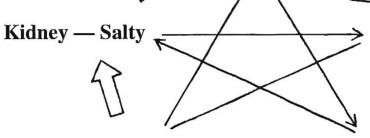
Phần 120
The Four Properties of food
Food can be warm, heaty, cold or cooling.
Warm and heaty foods: mutton, fresh ginger, garlic, carrot, longan, pepper, wine etc.
Uses: Builds the spleen, improves appetite, nourishes the kidneys, nourishes the body.
Cold and cooling foods: duck, crab, beancurd, spinach, bittergourd, pear, green bean etc.
Uses: Clears heatiness, brings down fire, detoxifies.
Foods that are neither warm nor cold: rice, soya bean, pork, carp, mushroom, apple, pumpkin etc.
Uses: Suitable for invalids and convalescents in general.
Phần 121
Four types of tonic
Tonics are usually foods prepared with medicinal properties. They are taken as part of the daily diet, having curative properties for someone who is ill and benefiting a healthy person. Before we take any tonic, we should understand our state of health in order to select one that will improve our health.
Nourishing the qi:
Examples: ginseng, Chinese dates, liquorice etc.
Suitable for people who are easily tired, short of breath, have poor appetite, perspire easily, down with a cold.
Nourishing the blood:
Examples: angelica, shoudi, fleeceflower root, wolfberry etc.
Suitable for people who have a pale complexion, get giddy spells and blurred vision easily, and suffer from insomnia.
Nourishing the yin:
Examples: lily bulb, shashen, zhimu, white fungus etc.
Suitable for people with a weak constitution, insomnia due to stress, constipation, dizzy spells with ringing in the ears, dry mouth.
Nourishing the yang:
Examples: cordyceps, monkshood daughter root, Chinese cinnamon bark etc.
Suitable for people who are afraid of the cold, have cold limbs, weak and aching back and limbs, frequent urination.
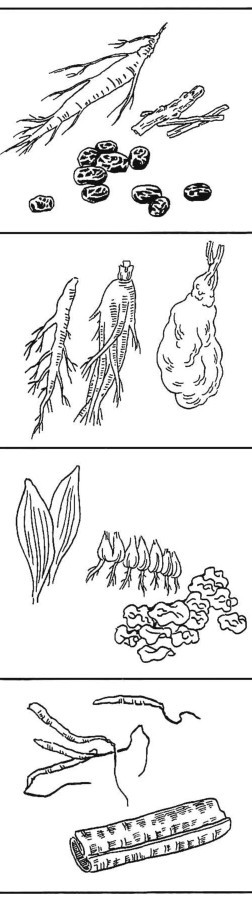
Phần 122
Food taboos
| Ailment | Foods to avoid |
|---|---|
| High fever | Oily and spicy foods. |
| Insomnia | Strong tea, coffee. |
| Water retention | Salt. |
| Cold | Deep-fried foods, sweet foods, wine, chilli, white fungus. |
| Cough | Deep-fried or fatty foods, wine, pepper, prawn. |
| Diarrhoea | Fish, prawn, fried and deep-fried foods, fatty meat, fresh ginger, pepper. |
| Stroke | Salted meat and vegetables, fatty meat, coffee, strong tea. |
| Constipation | Wine, coffee, chilli, white fungus. |
| Asthma | Fatty meat, fish, prawn, crab, wine, soya bean, pumpkin, leaf mustard, carbonated drinks. |
| Diabetes | Sugar, sugar cane, fruit, sweet potato, starch, water chestnut, lotus, yam. |
| Kidney stones | Shellfish, asparagus, spinach, beancurd, lentil, persimmon. |
| High blood pressure | Organ meats, crab roe, egg yolk, chilli, wine, strong tea, coffee. |
| Jaundice | Fatty meat, deep-fried foods, chilli, wine, fish, prawn, crab. |
| Heart palpitations | Fatty meat, strong tea, coffee. |
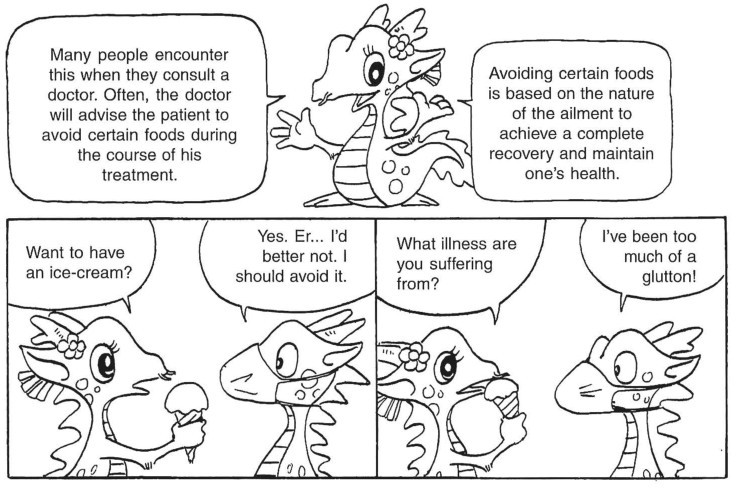
Phần 123
Method Five — Psychotherapy
There is a common saying: Ailments of the heart require medicine for the heart. This is in reference to psychological illnesses. Chinese physicians refer to ailments caused by psychological factors as ailments of the seven emotions.
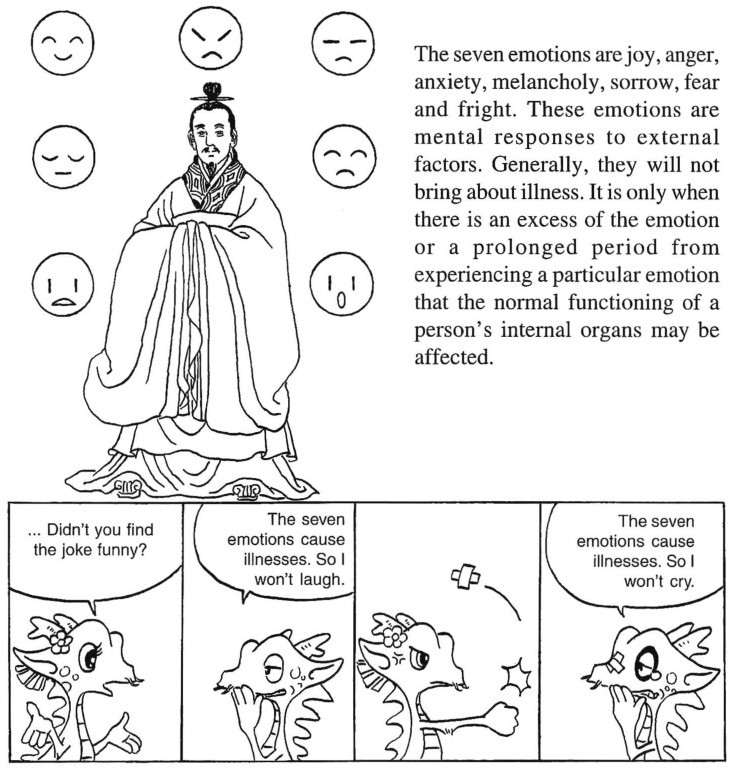
Phần 124
The Seven Emotions and their relationship with the Five Zang organs and Five Elements
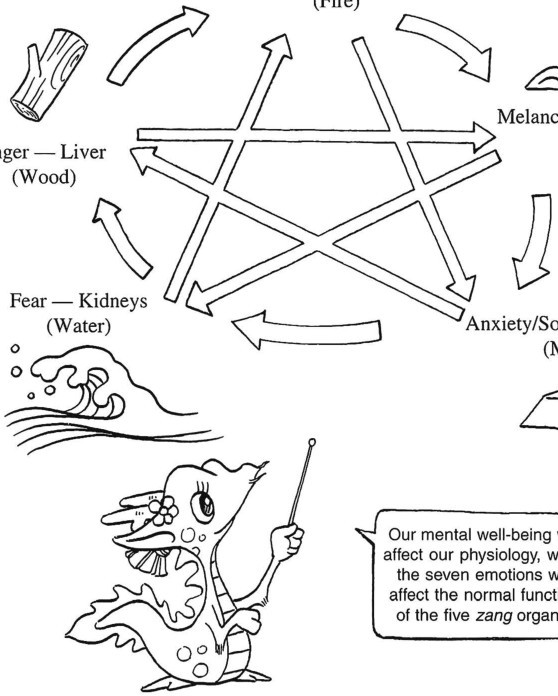
Phần 125
Trang 116
There is a saying: "Sorrow grows out of excessive joy." Though joy is an expression of happiness, too much of it will expend our vitality and qi, doing damage to the heart.
Fright is when a sudden occurrence causes feelings of nervousness and fear. The heartbeat will go faster, adding burden to the heart.
Anger is the feeling of agitation, which causes the qi to flow in reverse and travel in the upward direction. This may do harm to the qi in the liver.
Indulgence in melancholy or sentimentality will lead to depression and cause loss of appetite, doing harm to the qi in the spleen.
Sorrow is an expression of sadness and a troubled mind. Indulgence in sorrow will hurt the heart and the lungs.
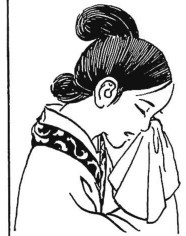
Fear is terror or dread. It is the extreme expression of nervousness and will harm the kidneys.
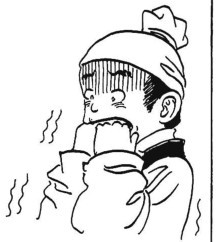
Phần 126
Overcoming or countering one emotion with another
As ailments of the heart require heart medicine, medicines will not do the job of treating the ailment. It is only by adjusting the emotions that the best treatment is achieved.
The seven emotions promote and restrain one another. One type of emotion will lead to another emotion:
Over-indulgence in melancholy and anxiety → Sorrowful and pessimistic disposition → Timidity, fear
The method of overcoming one emotion with another involves curbing one emotion with another:
Sorrow overcomes anger: Sadness will cause feelings of anger to dissipate. It may be used to treat ailments arising from anger.
Anger overcomes melancholy: A melancholy person may be provoked to ease the tension within him.
Melancholy overcomes fear: Melancholy promotes rationality, thus irrational fear may be overcome through reasoning.
Fear overcomes joy: Frightening a patient who has been consumed by excessive joy will calm him down.
Joy overcomes sorrow: Take care of the patient and meet his needs so that he may feel joy. This will curb any sorrow he may be feeling.
Phần 127
The Famous Physician Who Was Cooked
There was a famous physician called Wen Zhi during the Spring and Summer Period. One day, he was summoned to treat King of Qi who was suffering from headaches.
"Physician, what illness is my father suffering from?"
"I can cure his illness. But His Majesty will put me to death once he recovers."
"If Father gets well, he will reward you. Why would he put you to death?"
"Physician, for the sake of our people, you must save Father at all costs!"
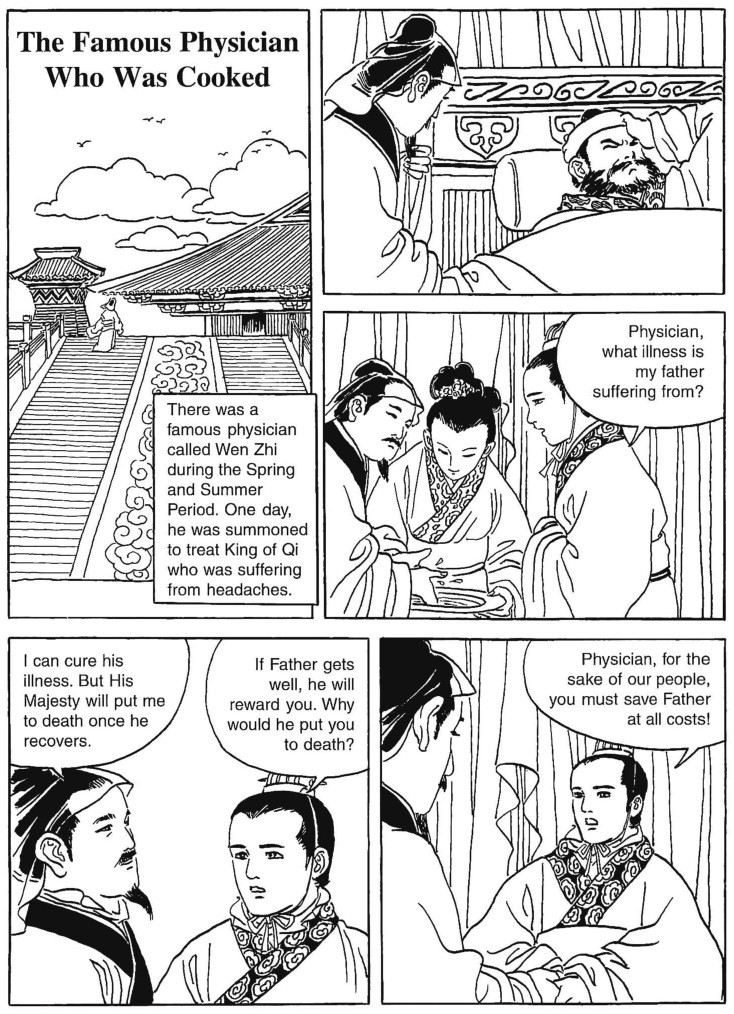
Phần 128
Trang 119
"But promise me one thing. No matter what I do, you are not to interfere."
"All right."
After Wen Zhi went home, he stopped going to the palace to treat the king.
"Physician Wen Zhi, my father is having a terrible headache. Please see him at the palace."
"Tell him that I am very busy."
"That lowly physician actually has the audacity to snub me!"
"Summon him to the palace again. If he still says no, have him executed!"
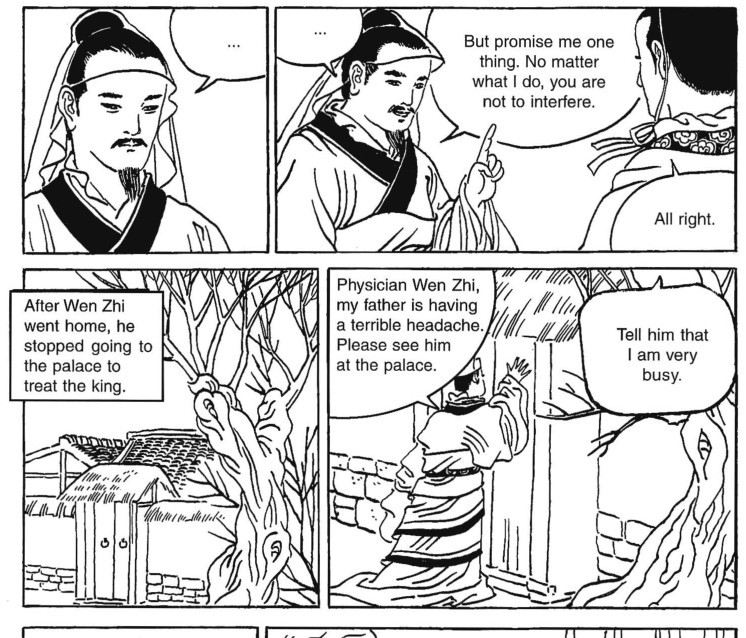
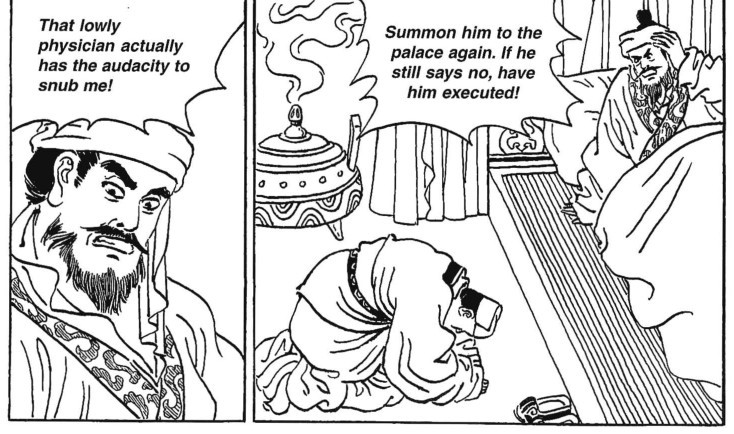
Phần 129
Trang 120
Wen Zhi finally showed up at the palace. But he stepped on the King of Qi's bed with his shoes on.
"You're still alive? By the looks of you, your days are numbered!"
"You! You!"
"What's the point of consulting a physician? You're wasting my time!"
"Audacious fellow! Men, I want this horrible physician cooked in a pot!"
"Father, you've made a full recovery!"
In his extreme anger, the headaches King of Qi suffered had subsided.
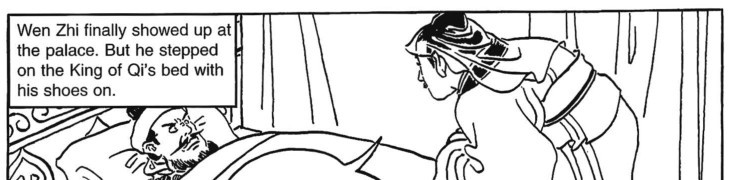
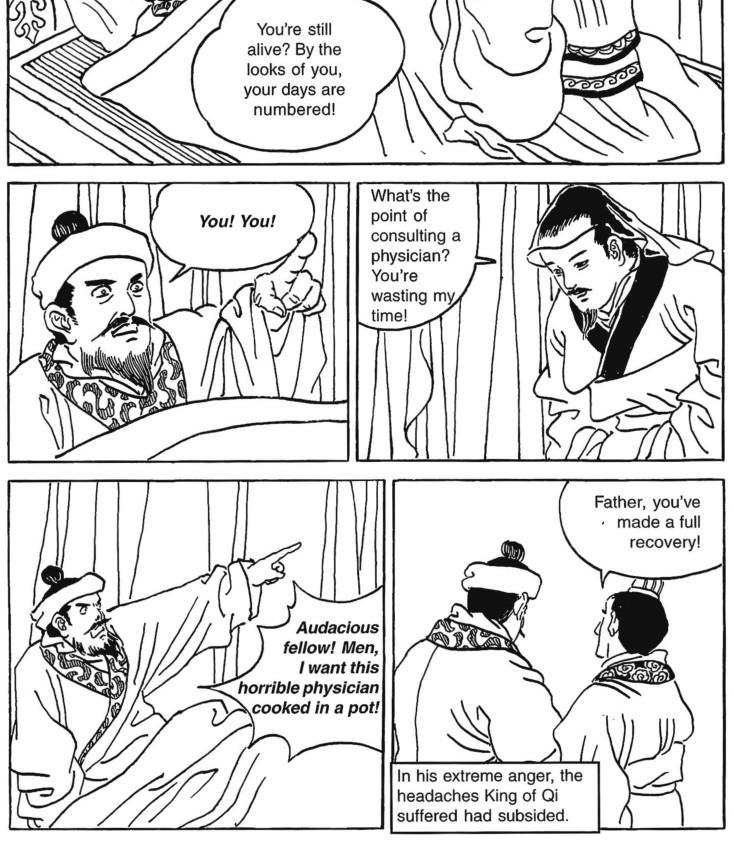
Phần 130
Trang 121
"Do spare the physician's life."
"Anyone who pleads for mercy on his behalf will be cooked as well!"
"Physician Wen Zhi..."
"Do not be sad. I knew this day would come. Now that His Majesty has recovered fully, I can die with no regrets."
"A few days later..."
"Physician Wen Zhi agitated you on purpose to treat your headache."
"Father, your ailment was caused by too much anxiety."
"He deliberately provoked you so that you might release the tension within you and ease your mind. This way, you would no longer feel anxious."
"Sigh..."
"Physician Wen Zhi sacrificed his own life to treat a patient. He was truly a good physician."
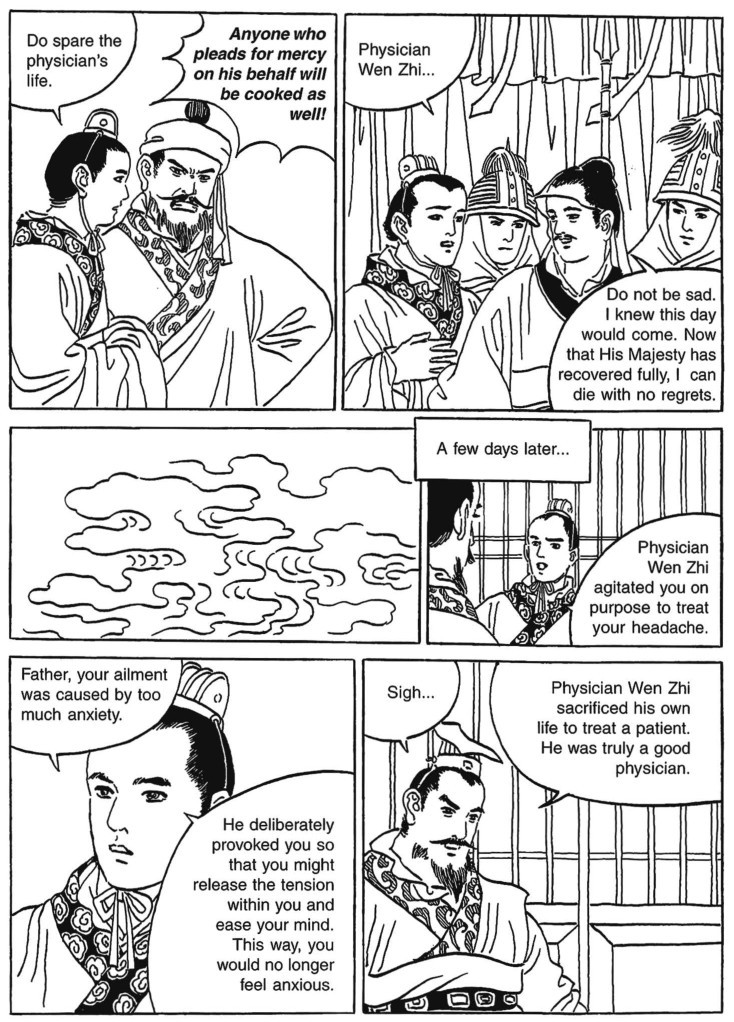
Phần 131
Types of dispositions in traditional Chinese medicine
Personalities can also be categorised based on the yin-yang and five elements to create the five tai personalities and the five elemental personalities respectively.
Taiyang Person
- Characteristics: Easy-going, talks without thinking first, aims too high in life.
- Appearance: Walks with head high and chest out, stomach in and straight back.
Shaoyang Person
- Characteristics: Good socializing skill, strong abilities, self-conceited.
- Appearance: Head lifted high while standing, walks with a swagger, has a habit of placing both hands on the back with palms facing outwards.
Yinyang-heping Person
- Characteristics: Pure in heart and has few desires, contented, composed, adaptable.
- Appearance: Calm countenance, poised with an easy manner.
Shaoyin Person
- Characteristics: Greedy, gossipy, lacks compassion for others.
- Appearance: Aloof mien, secretive, walks quietly, fidgets while standing.
Taiyin Person
- Characteristics: Shrewd and deep, doesn't show emotions easily, acts slowly, persists in his old ways.
- Appearance: Brooding mien, seldom smiles, seems always to be in deep thought.
Phần 132
The Five Elemental Personalities
Fire Element
- Characteristics: A quick worker, able to take stress, capable, generous and thinks little of money.
- Appearance: Ruddy complexion, thin face, small head, small hands and feet.
Metal Element
- Characteristics: Both quiet and active, shrewd worker, honest.
- Appearance: Pale complexion, square face, small head, small shoulders, small abdomen.
Earth Element
- Characteristics: Trustworthy, keeps his emotions in check, helpful.
- Appearance: Yellowish complexion, round face, big head, thick shoulder and back, large abdomen, small hands and feet.
Wood Element
- Characteristics: Talented and intelligent, introspective, melancholic, acts with motives.
- Appearance: Pale complexion, long face and small head, broad shoulders and back, small hands and feet.
Water Element
- Characteristics: Active, indecisive.
- Appearance: Dark complexion, big head, small shoulders, large abdomen.
Phần 133
Diagnosis of illnesses through dream analysis
Our dreams are often tied to our emotional state, real-life experiences and encounters and our physical, among others. That is why dreams are able to reflect a person's state of health.
In The Yellow Emperor's Medicine Classic — Miraculous Pivot, dreams are classified in detail to diagnose illnesses.
| Dream | State of Health |
|---|---|
| Fearful dream | Deficiency of qi in the heart and gallbladder, prolonged illness, excessive anxiety. |
| Angry dream | Stagnation of qi in the liver and gallbladder, as in hardening of the liver or the presence of gallstones. |
| Happy dream | Smooth flow of qi and blood, speedy recovery even if one should fall ill. |
| Sad dream | Deficiency of qi in the heart and lungs, deficiency of yin in the liver as with chronic liver disease and tuberculosis. |
| Melancholic dream | Imbalance in the liver and spleen, possibly due to poor food digestion and gastric ulcers. |
| Striving dream | Reverse flow of qi in the liver and gallbladder, rising of the yang in the liver as occurs with hypertension and poor food digestion. |
| Floating in dream | Excess in the upper part of body but deficiency in the lower part, like deficiency of the kidneys, excess phlegm, coronary heart disease. |
| Falling in dream | Deficiency in the upper part but excess in the lower part of the body. Often seen in water retention of the kidneys, deficiency of the yang in the heart. |
| Looking for food | Weak spleen and strong stomach, deficiency of yin in the stomach with pathogenic heat, gastric ulcers, intestinal parasites. |
| Looking for toilet | Often caused by stranguria (painful urination), inflammation of the intestines, poor digestion, diarrhoea. |
| Looking for drink | Mostly caused by excess yang and depletion of bodily fluids like due to high fever and dehydration. |
| Feeling cold in dream | Insufficient yang and heat, excess of yin and cold. Examples are deficiency of yang in the spleen and kidneys, interior cold syndrome. |
| Sleepwalking | Usually caused by stagnation of qi in the liver, distractions. |
Phần 134
Traditional music therapy
With the growing acceptance of alternative treatments, music therapy has gained much attention. In fact, ancient physicians did considerable research on music therapy.
There are five notes in ancient Chinese music: gong, shang, jiao, zhi, yu. Chinese physicians matched each of these notes to a zang organ:
Gong (Do) — Spleen — Mediating nature
The note 'do' gives one a sense of calm and seriousness. It is used to treat someone who has been given a fright and is thus fidgety.
Shang (Re) — Lungs — Clearing nature
This clear and quiet note is used to treat someone suffering from anxiety and irritability.
Jiao (Mi) — Liver — Soothing nature
It creates a sense of softness, comfort and relaxation. It is used to dispel anger.
Zhi (Sol) — Heart — Invigorating nature
This note gives a sense of excitement and passion. It is used to treat someone with depression.
Yu (La) — Kidneys — Cooling and moistening nature
It is a melancholic note and acts as a sedative. It may be used to treat insomnia due to excessive joy or sorrow, heart palpitations etc.
"The ancient Chinese believed that music may cultivate a person. In fact, we may read a person's mood and character from the music he plays or listens to."
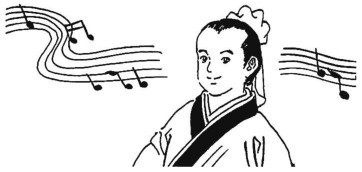
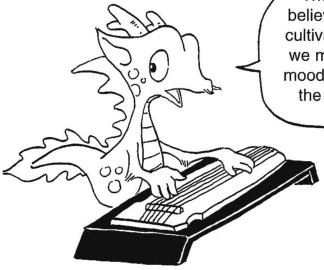
Phần 135
Method Six — Qigong
Traditional Chinese medicine holds that the human body consists of vital essences, vital energy and mentality. Qi or vital energy is the force that maintains normal physiological functioning. All activities of the zang and fu organs of the human body require qi.
There is congenital qi and acquired qi. Congenital qi begins in the mother's womb. It is the basic source of life. It is also called the Primordial Energy or Genuine Energy. Acquired qi is derived from air, food and other sources. Congenital qi depends on nourishment from acquired qi to carry out its functions.
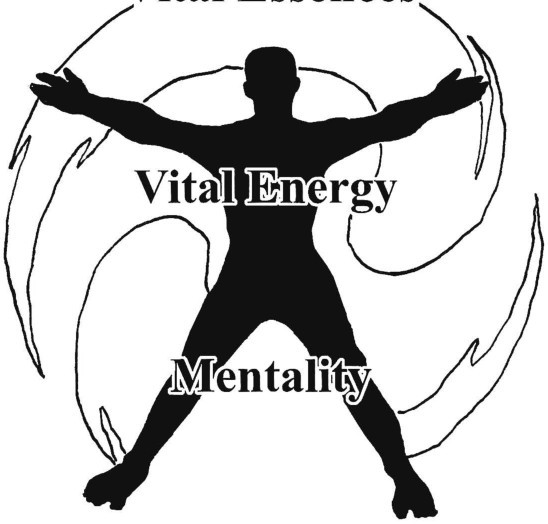
Phần 136
Trang 127
When there is insufficient qi, the person will be listless, suffer general poor health and be susceptible to infectious diseases. By boosting the qi in the body, the functions of the zang and fu organs will be strengthened and the person will also become more energetic. But if the flow of qi is blocked or stagnates in the zang and fu organs, it will result in ailments of the body. That is why a smooth flow of qi is important for ensuring good health.
| Deficiency of qi | Disruption in qi system |
|---|---|
| Stuttering speech | Easily agitated (depression of qi leading towards fiery disposition) |
| Feeling weak all over | Irritable and fidgety (depression of qi) |
| Pessimistic | Cough and shortness of breath (reversed flow of qi) |
| Gets tired easily | Bloated abdomen (stagnant qi) |
| Thin and weak breathing | Breathing difficulty (stagnant qi) |
| Panting and shortness of breath | Nausea (reversed flow of qi) |
The practice of qigong will increase or boost vitality, thereby clearing the collaterals and meridians, replenishing qi in the blood, as well as harmonising yin and yang. It will treat diseases and boost the health of a healthy person.
"Qigong is not some mystic skill. It strengthens one's body and extends one's lifespan through the regulation of qi in the body. It's all very scientific."
At present, the US, Germany, Japan and other countries have set up research bodies on qigong. Many non-Chinese have also taken up taijiquan (tai chi) and meditation.
Phần 137
Trang 128
Qigong may be broadly grouped into two categories
Also known as static qigong, it emphasizes the training of the mental state. Methods include meditation, breathing exercises, relaxation etc.
Also known as dynamic qigong. It promotes circulation of qi and blood through exercising one's muscles. Methods include gentle exercises like taijiquan, massage, conduction of qi etc.
Whether it is dynamic qigong or static qigong, the emphasis lies in the regulation of the body, breathing and heart.
Phần 138
Trang 129
The effects of practising qigong
- A small abdomen and limbs that are warm to the touch.
- Slight perspiration.
- Increased salivation.
- The movement of the stomach and intestines becomes faster, resulting in a higher frequency of breaking wind.
- Increased appetite.
- Good sleep.
- A clear mind.
- The body feels light.
If qigong is practised correctly, there will be changes to one's physiological state. These changes are known as the effects of qigong.
When I practise internal exercise, it feels like worms are crawling on my skin.
Is that normal?
Don't worry. That is a common initial phenomenon when the qi in your body flows freely. When the sensory cells in the brain are suppressed, your skin will experience certain sensations.
Hence, your skin is more sensitive to any movement within the body. Do not be too alarmed. You don't want to be distracted while practising internal exercise.
Phần 139
Trang 130
The Origins of Qigong
The premise of qigong lies in the movement of the limbs. It is believed that qigong had its beginnings in Stone Age dances.
At that time, the cold and damp conditions often caused stagnation of blood and brought discomfort to the muscles and bones.
Ah! It is freezing cold! My hands and legs are getting stiff!
Yes! My joints are aching.
Let's see if moving my limbs will ease the discomfort.
Ah! It works! My body feels warmer now!
My arms and legs no longer feel numb!
The people gained inspiration from the movements of limbs and the ancient dance was born. Some of the movements were not lost to time and were further adapted to become qigong that promotes well-being and has therapeutic properties.
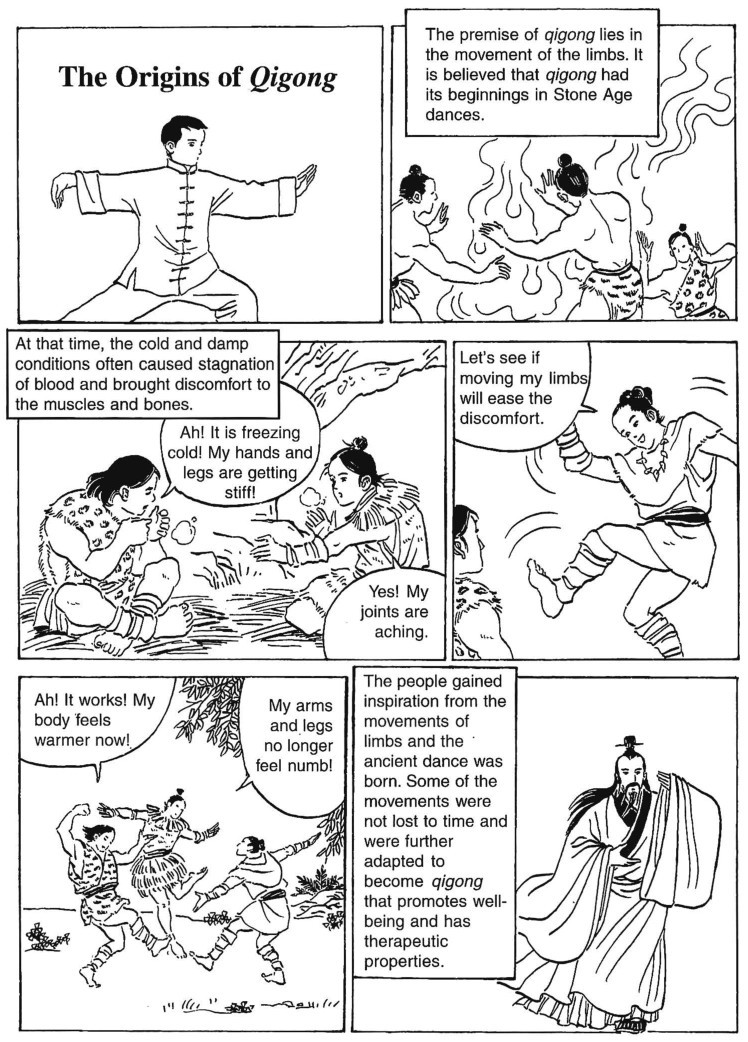
Phần 140
Cupping
Special Treatments
Other than the different methods of treatment introduced in the earlier pages, there are also special and highly unique therapeutic methods practised among the Chinese people.
Examples are cupping, scraping and bloodletting.
A small flame is placed inside a cup for a short while to heat it and expel any air within the cup. Using the principle of a vacuum, the cup is then sucked onto the skin surface to create local congestion in order to treat the ailment. This method is used in the treatment of rheumatism, expulsion of toxins and excess heat, to promote circulation of qi and blood, reduce swelling and relieve pain.
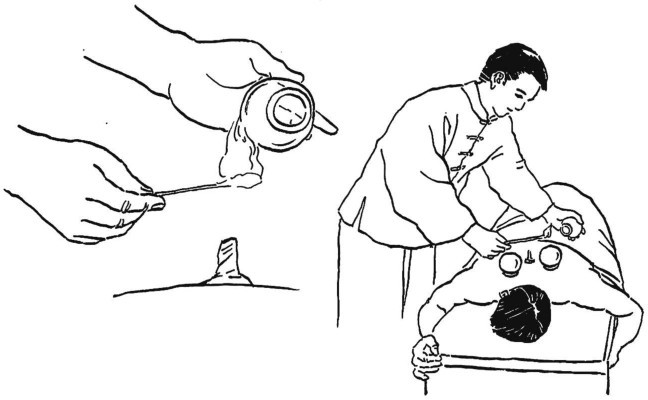
Phần 141
Trang 132
The cups made of glass used in cupping come in three sizes — large, medium and small. Their volumes range from 30 to 60 cubic centimetres. The glass around the cup rim is thicker to minimise the escape of air.
In the absence of glass cups, ceramic or other materials are also used. Some alternatives are teacups, wine glasses, small bowls or bamboo tubes.
There are different methods used in cupping therapy:
Single-cup method: Suitable for the treatment of a smaller area.
Medicated-cup method: Pain suppressants or medicine is applied on the troubled spot before the cup is placed there. Sometimes, fresh ginger or garlic is also ground and applied before the cup is placed. The cups are usually placed there for between 10 and 20 minutes.
The vacuumed cups will give the skin a sensation of being pulled. It also creates a warm and soothing sensation. It is normal for the reddish purple or purplish marks left behind by the cups to last for one or a few days.
Cupping therapy is not recommended for highly nervous persons, people with sensitive or loose skin, and people who are very skinny.
Phần 142
Scraping
A copper coin or a small spoon dipped in oil or water is used to scrape the patient's chest, back, neck and other areas. Each area is scraped 20 times until purplish-red marks appear. It is used to treat dizzy spells, stuffy chest, bloated and painful abdomen, aching body etc.
In the past, the tools used in the scraping therapy were rather primitive. Copper coins, spoons and tile pieces were used, and very often, they caused bleeding and infections. Hence, it gave the impression of being primitive and unscientific. Nowadays, buffalo horns are used in scraping therapy. Buffalo horns are able to remove excess heat and expel toxins. They do not conduct heat and electricity. And the horns may be filed into various shapes and sizes to reach different parts of the body. In addition, the smooth texture of the horn is comfortable and will not hurt the skin.
Before scraping, one should not have had a heavy meal or be starving. Scraping should only be done one hour after food and under the supervision of a trained physician. Patients who are suffering from blood diseases or bleed easily should avoid scraping therapy. A baby or young child undergoing scraping therapy should ideally have a sheet of cotton placed on the area to be scraped to avoid damaging the tender skin. Patients with skin problems should not go for scraping therapy.
Phần 143
Bloodletting
Needles or knives are used to pierce the acupoint or pulse to release a small amount of blood. It is ideal for patients suffering from heatstroke, high fever, poisonous bites or poisoning through ingestion etc.
Medicines, moxa sticks, heat, cupping and other therapies are used on the navel to treat various complaints, especially asthma, diarrhoea in young children, indigestion in young children, night terrors, irregular menstruation etc.
Medicines ground into powder are applied on a piece of cotton gauze which is then rolled into a stick. The cotton stick is then inserted into the nostril. It is used to treat nosebleeds, blocked nasal passages, toothaches, headaches, asthma etc.
Phần 144
Medicinal pillows
Medicinal pillows are a type of treatment used in traditional Chinese medicine. Aromatic medicinal herbs that boost blood circulation and clear the channels are stir-baked before they are used as pillow filling. Sleeping on these medicinal pillows will help prevent diseases, fight ageing and prolong life.
Cloth pillows: Pillows made of cotton or gauze stuffed with herbs.
Wooden pillows: The hollow part of the wooden pillow is stuffed with aromatic herbs. The wooden pillow is then wrapped in a piece of cotton cloth.
Stone pillows: Stones and ceramics with medicinal properties are shaped into pillows.
Electromagnetic pillows: Electromagnetic gadgets are fixed to a traditional medicinal pillow to boost its effectiveness.
Whoa! So the hard wooden pillows our grandmothers used to sleep on had medicinal properties!
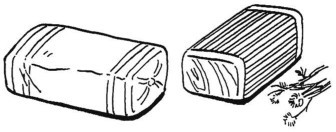
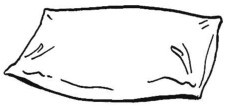
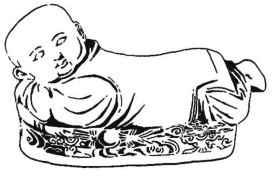
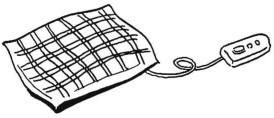
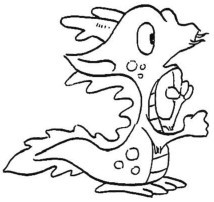
Phần 145
Dance therapy
Dance relaxes our muscles and boosts blood circulation. Not only does it strengthen the body, it can also be used to treat motor ailments like muscle cramps, stiff joints, etc. Ancient records reveal that dance was used to treat physical ailments.
Natural mud is applied. Usually, mineral-rich mud from wells, soil from farmland and yellow earth are used. Different types of mud possess different curative properties. For example, mud found in hot springs is warm, serving to boost blood circulation and free the meridians. Yellow earth, which is neither cooling nor heaty, benefits the spleen and stomach.
I am undergoing "sand therapy". Natural sand from the river or the desert is used to cover my body. This therapy treats rheumatism due to pathogenic cold, rheumatic pains, muscular atrophy etc.
Exposing our body to sunlight also helps to speed up the recovery process. This is known as "sunlight therapy". It is ideal for people who are deficient in the qi of the yang.
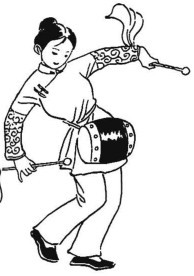
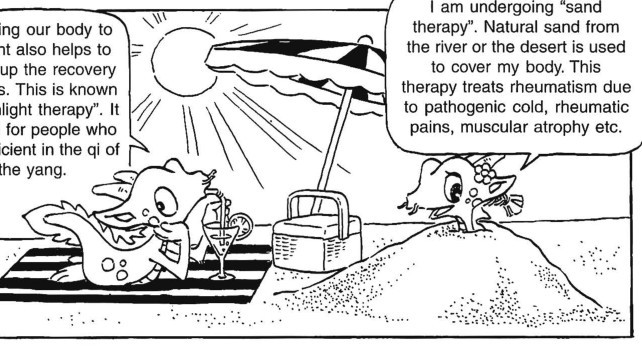
Phần 146
Trang 137
Diseases are cured but not the person
A man travelled to a village.
(Signboard over the gate: "The secret formula handed down from our ancestors treats diseases but cannot save a human life.")
Secret formula handed down from the ancestors that treats diseases but cannot save a human life.
It treats diseases but cannot save a life. What's going on?
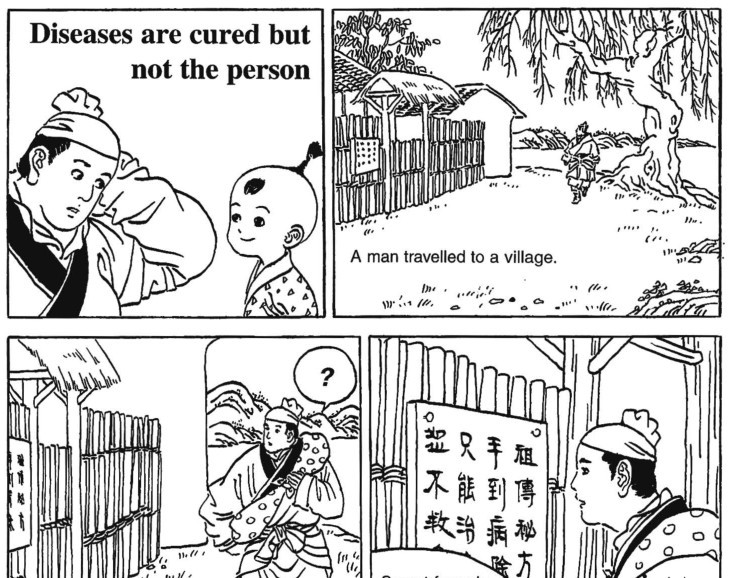
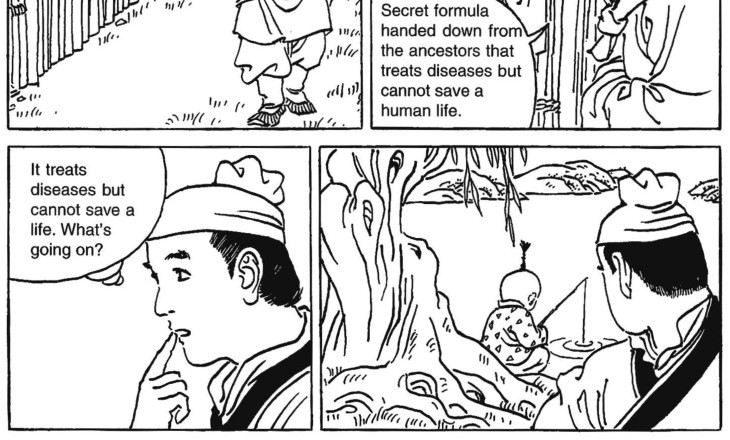
Phần 147
Trang 138
Little boy, is the owner of that house a physician?
Yes, he is.
His ancestors were all physicians. He's highly-skilled. He is a well-known physician here.
But why does the signboard in front of his house say that he cannot save human lives?
The signboard is written correctly. That family of physicians do not treat humans.
But why can't they save human lives?
Can't you guess? Heehee! Let me tell you. He is a …
Just what did the child tell the traveller? Make a guess, everyone!
I see! Haha!
Answer: He is a vet!
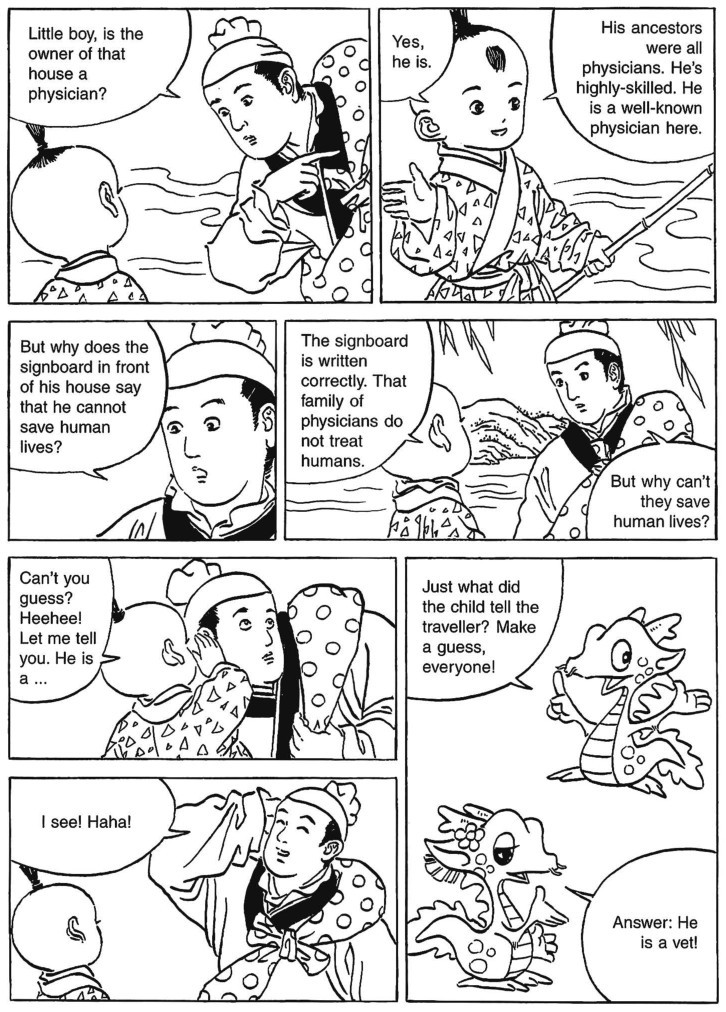
Phần 148
Famous Physicians
Many top Chinese physicians have left their mark in the annals of Chinese history. These physicians not only possessed consummate medical skills, they also played an integral part in the development of Chinese medicine. More than just being gifted healers, they also possessed the highest moral integrity.
Phần 149
Medical Ethics
Medical ethics has been practised and advocated in China for a few thousand years. It advocates benevolence and compassion. Doctors do not just require excellent medical skills, they also have to be of an upright and moral character. There has been no lack of such benevolent doctors in Chinese history. To this day, these men are still highly regarded in the medical field.
Dong Feng, a physician during the Han Dynasty, treated his patients without expecting any remuneration. Once the patient recovered, all the patient had to do was plant an apricot tree on the mountain Dong Feng lived on. After many decades, a forest of apricot trees could be seen. Dong Feng became known as the Benevolent Physician of the Apricot Woods.
People began to use 'life among the apricot woods' and 'well-known among the apricot woods' in praise of compassionate doctors.
They deserve our admiration!
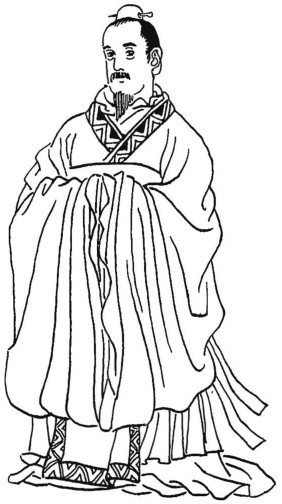
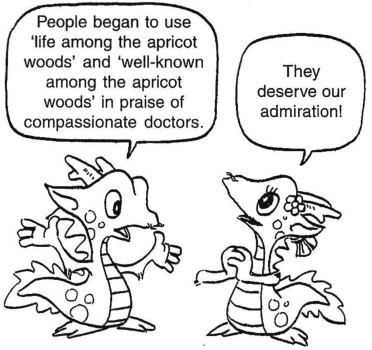
Phần 150
Bian Que
A famous physician during the Warring States Period, Bian Que introduced the Four Diagnoses of Illnesses — observation, auscultation and olfaction, interrogation and pulse taking.
Bian Que's birthname was Qin Yueren. He was the first physician to be recorded in Chinese history. Sima Qian of Western Han vividly narrated Bian Que's practice in Records of the Historian — The Biography of Bian Que.
In his youth, Bian Que worked in an inn. He later became an apprentice of Chang Sangjun to be trained in medicine. Legend has it that Chang Sangjun fed Bian Que some medicine which allowed him to see through walls so that he could look into his patients' zang and fu organs during consultation.
Bian Que was an all-rounder in the medical field, well-versed in internal medicine, surgery, gynaecology, paediatrics and others. As he travelled, he was able to adapt his skills to suit the culture and needs of the people in a particular place. In Handan, where the women were esteemed, he became a gynaecologist, while in Luoyang, where the elderly were held in high regard, he became an otolaryngologist (ear-nose-throat specialist). In Xianyang, he took up paediatric practice as the people there loved children.
Bian Que wrote the Internal Classics of Bian Que and External Classics of Bian Que, which have since been lost. The only surviving book is the Classic on Medical Problems written by Qin Yueren. This book expounds on the technique of pulse taking.
Bian Que's consummate medical skill was renowned. He travelled to many places to treat diseases among the people. Like the magpie or bird of joy, he brought good fortune to the people. Therefore he became known as Bian Que among the people though his birthname was Qin Yueren. However, his fame incurred the jealousy of imperial physician Li Xi of the State of Qin, who had him assassinated.
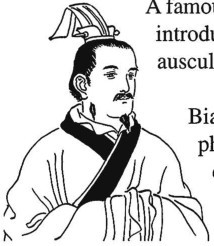
Phần 151
Bian Que uses the Four Diagnoses on Marquis Qi Huan
Bian Que's discourse on diseases:
"When a disease is on the skin, use heat;
if the disease is in the blood and pulse, treat it with acupuncture and moxibustion;
if the disease occurs in the intestines and stomach, treat it with medicinal decoctions;
but once the disease is in the bone marrow, not even a top physician will be able to do anything."
Bian Que passed through the State of Qi one day.
Your Lordship, please wait! I have something to say!
Ah! It is you, Bian Que. Is anything the matter?
Your Lordship doesn't look good. You may be ill.
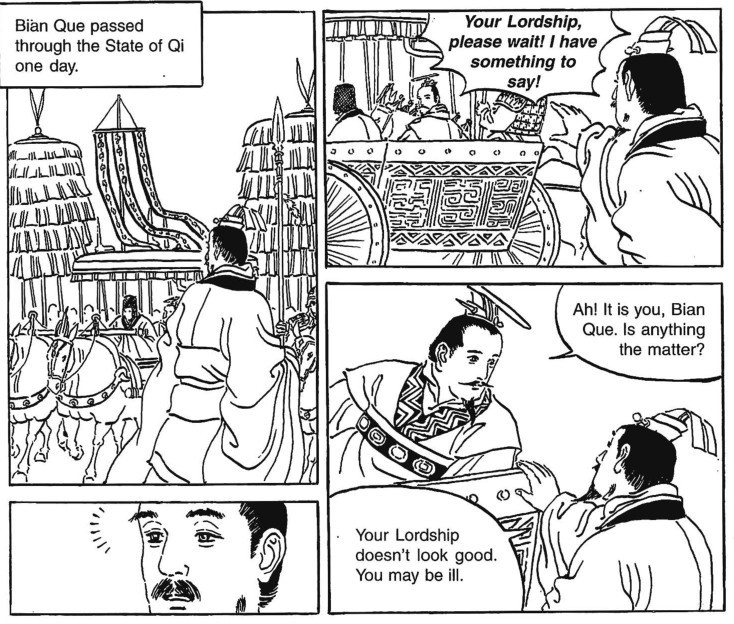
Phần 152
Trang 143
Your illness is still mild and in the exterior. But if you do not seek treatment soon, it will only worsen.
I feel fine! I am not ill.
All these physicians want is to make gains from treating a disease that does not even exist.
Five days passed…
My Lord, Bian Que seeks an audience with you!
Your Lordship, your illness has penetrated your blood. If left untreated, I am afraid your condition will deteriorate.
I am in perfect health. I don't need you. You may leave.
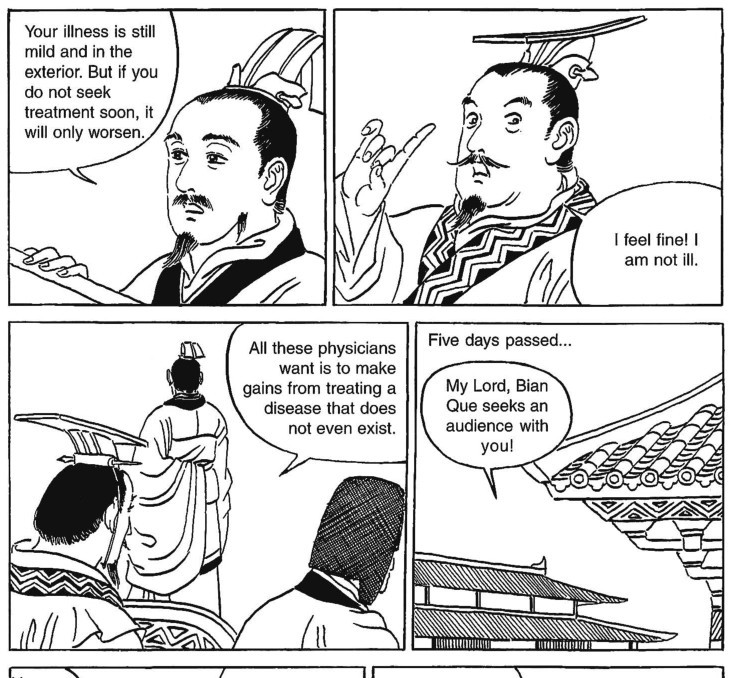
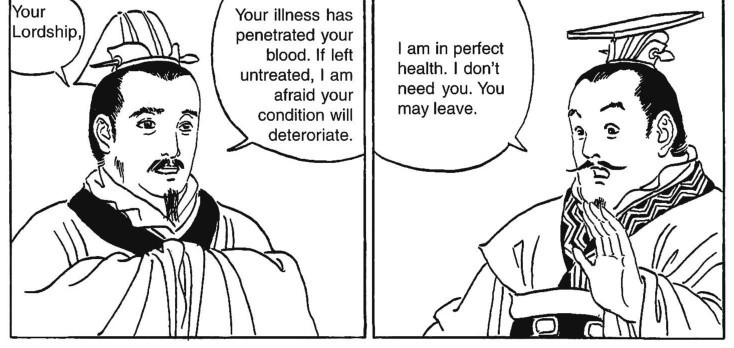
Phần 153
Trang 144
Another five days passed before Bian Que sought an audience with Marquis Qi Huan.
Your illness has penetrated your zang and fu organs. It will be too late if you do not seek treatment.
You have come to bother me again! Go! Go!
Sigh!
When Bian Que saw the Marquis for the fourth time…
He said nothing and left.
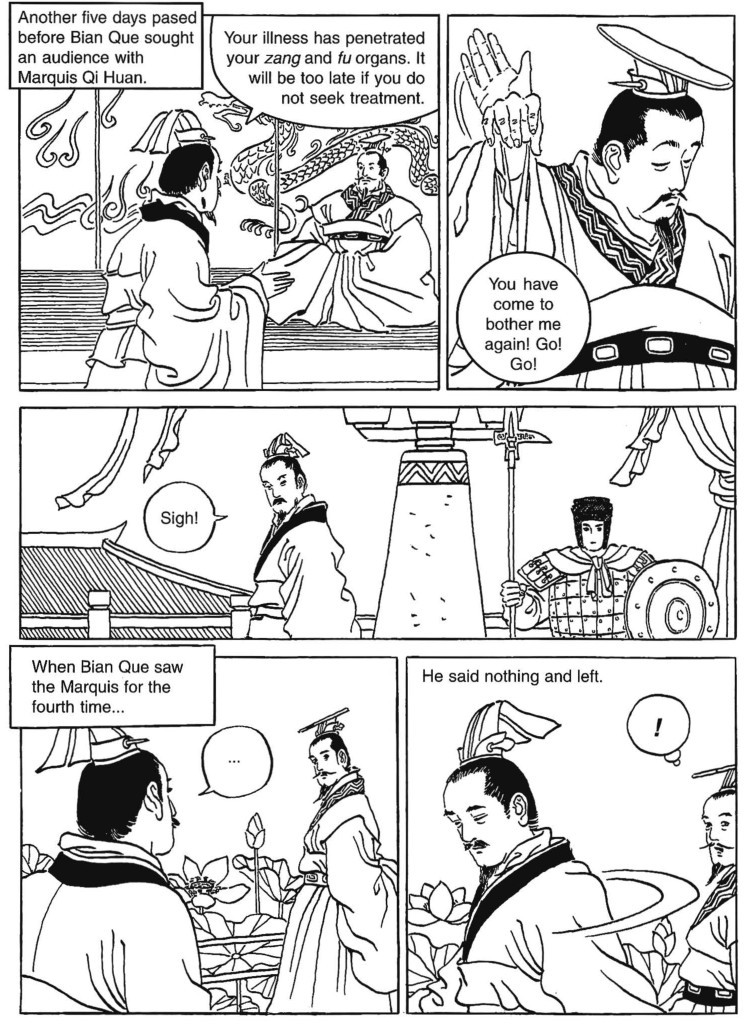
Phần 154
Trang 145
"Physician, don't go yet. His Lordship wants to speak to you."
"You came several times hoping to treat me. Why did you walk off without saying a word this time?"
"Previously, there was still a cure for Your Lordship's disease. But now that it has penetrated the bone marrow, there is nothing I can do about it."
"..."
True enough, the Marquis fell ill shortly after.
By that time, Bian Que could not be found and summoned to the palace. The Marquis succumbed to his illness and passed away.
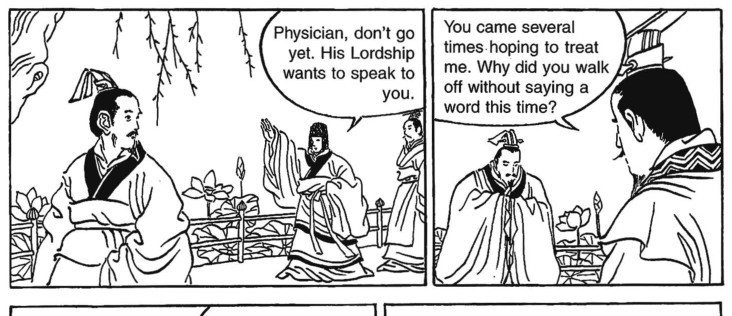
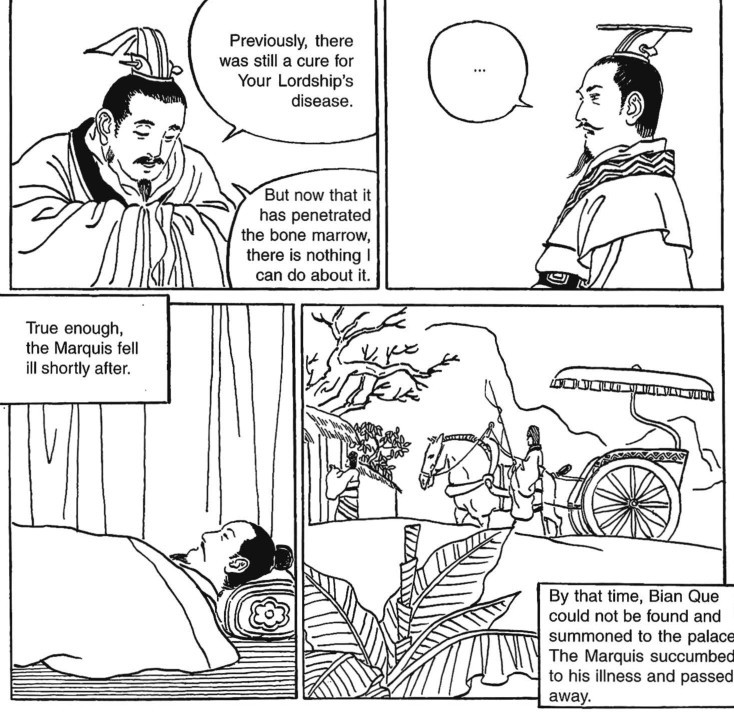
Phần 155
Trang 146
Hua Tuo
Hua Tuo (145AD-208AD), a physician from the Eastern Han Dynasty, was another all-rounder in terms of medical expertise. He was well-versed in gynaecology, internal illnesses, paediatrics and intestinal parasitic worms, among other fields. But his greatest achievement was in surgery. He was acclaimed as the Father of Surgery and the Holy Hand of Surgery.
He pioneered general anaesthesia for surgery on the abdomen, 1600 years ahead of the first successful surgery carried out under general anaesthesia recorded in western medicine in 1848.
At that time, Hua Tuo was already engaged in the removal of tumours and surgery on the stomach and intestines. When acupuncture and drugs failed to do the job, he would proceed with surgery. His patients would down an anaesthetic with wine. Once they lost consciousness, he would cut open their abdomen and remove any tumour that might be present. If the disease occurred in the intestines, he would snip at the intestines and clean them up before stitching them up again and applying medicated balm on them. The surgical wound would take four to five days to heal, and the patient would make a full recovery in about a month's time.
Hua Tuo was also an expert on intestinal parasitic worms. He discovered that eating raw food was the main culprit behind intestinal parasitic worms, and fed his patients purgatives to make them throw up the parasitic worms and thus recover.
Hua Tuo realized the importance of physical exercise. He believed that appropriate exercise could prevent diseases and prolong one's life. He created China's earliest form of health-preserving exercise — the Frolics of Five Animals (see p.154).
Phần 156
Hua Tuo Treats Severe Headaches
He treated Cao Cao's severe headache and neutralised the poison in Guan Yu by scraping his bone. Unfortunately, Hua Tuo was later killed by Cao Cao. He compiled his medical experience into a book known as the Book of the Black Bag, but it was lost after his death.
Hua Tuo:
"Running water is never stale and a door-hinge never gets eaten by worms."
>
As running water is in constant movement, it never grows stale and smelly; a door-hinge turns every day, so it does not get eaten by worms. The human body needs adequate and suitable exercise. Exercise promotes food digestion, the flow of qi and blood and prevents diseases.
"My head hurts! Who can help me?"
Cao Cao suffered from severe headaches which had troubled him for a long time.
"Eh? It no longer hurts!"
Later, he summoned Hua Tuo who treated his headache with acupuncture.
"Hua Tuo, from now on, you shall be my physician in attendance. You will be ensured a life of luxury. You need not slog so hard anymore."
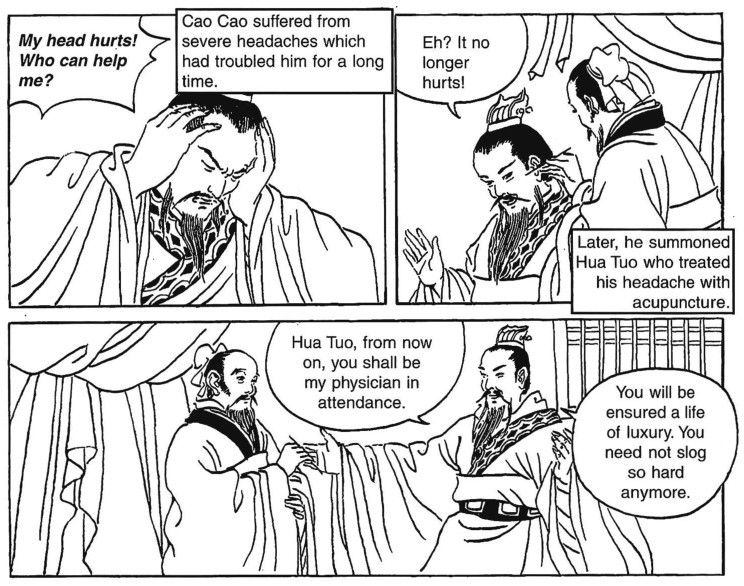
Phần 157
Trang 148
"I practise medicine to serve the people. I do not wish to wait on just one person."
"Let me find an excuse to turn down his offer."
"I have spent a long time travelling. I'd like to go back to my hometown and collect my book at the same time."
"All right. Make it back here fast."
It had been a few years since Hua Tuo returned to his hometown. Cao Cao wrote him several letters urging him to return. But Hua Tuo would always come up with an excuse to decline his offer.
Hua Tuo is a top physician. It will be a great shame to kill him.
He is only a lowly physician. What does his death matter? Execute him!
"Your subject has checked. Hua Tuo's wife is not ill."
"How dare Hua Tuo deceive me! I want him brought back and executed!"
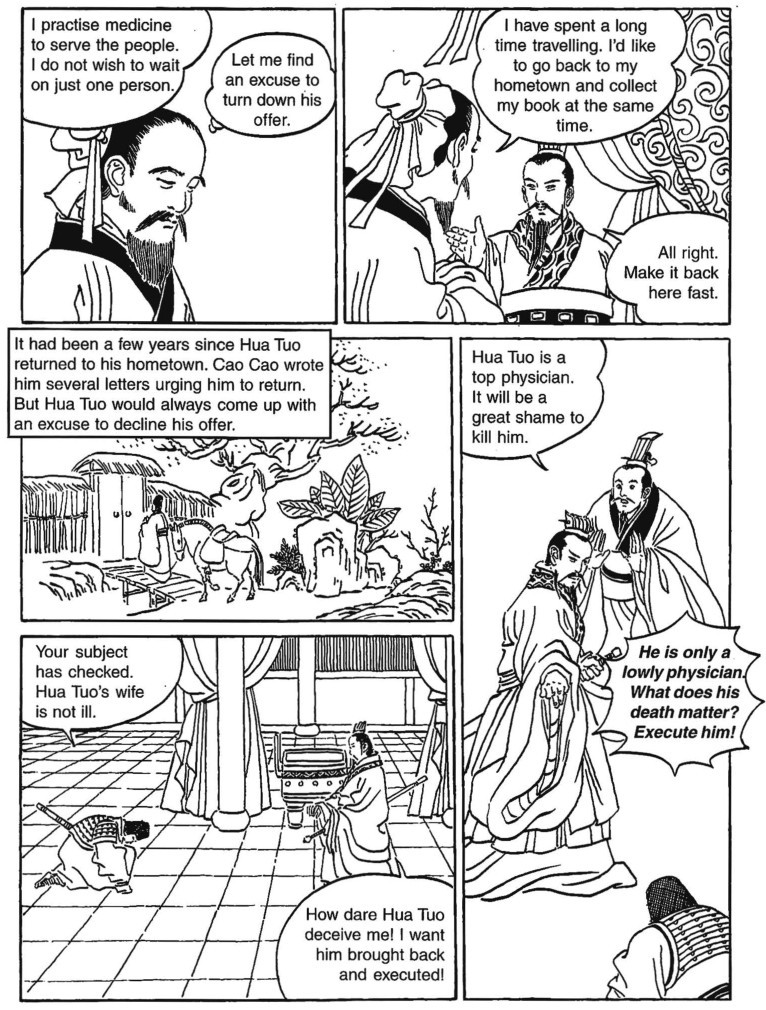
Phần 158
Trang 149
"If my knowledge could be passed on, I'd die with no regrets."
"Prison warden!"
"This book will save lives. I'll leave it with you for safekeeping."
"I cannot take the book! If I get found out, I will be beheaded!"
And so, Hua Tuo burnt his book.
"Sigh!"
"My head hurts terribly! Bring Hua Tuo here!"
Prime Minister, Hua Tuo has been executed.
"Ahh! I should not have had Hua Tuo killed!"
Phần 159
Frolics of Five Animals
Hua Tuo created China's earliest form of health-preserving exercise — Frolics of Five Animals. It was based on the movements of the tiger, deer, bear, ape and bird. The series of movements promote a clear mind, boost the function of the heart and lung, strengthen the back and kidneys, lubricate the joints and improve one's constitution.
In recent years, it has been widely used in the therapy of stroke patients, rheumatic patients, arthritic patients, patients suffering from spinal injury and others.
Tiger: Roaring and plunging foward like a tiger.
Deer: Dashing happily like a deer.
Bear: Walking slowly like a bear.
Monkey: Jumping around like a monkey.
Bird: Spreading out one's hands to fly like a bird.
It is said that Hua Tuo's disciple who practised the Frolics of Five Animals lived to over 100 years of age!
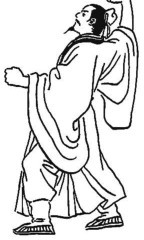
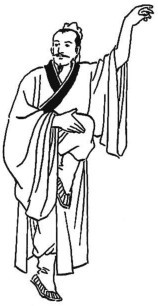
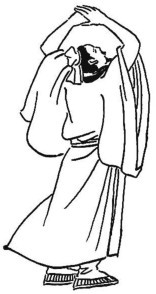
Phần 160
Trang 151
Zhang Zhongjing
Zhang Zhongjing (AD150-219) lived during the Eastern Han Dynasty. He resolved to become a physician after witnessing the ravages brought about by epidemics.
He was a high-ranking court official at some point. Even while he was posted to Changsha, he never neglected treating the people. At that time, court officials could not enter the residential area of the commoners at any time they wished to. And so Zhang Zhongjing would open the doors of the yamen on every first and 15th day of the lunar month so that he could provide consultation for the commoners. Patients from all over the land would travel to seek treatment from him.
Legend has it that dumplings, a traditional Chinese food, were invented by Zhang Zhongjing. Seeing how the poor suffered in the bitter cold and their ears became frostbitten, Zhang Zhongjing decided to wrap mutton, chilli and some warming medicinal herbs in dough skin. Folding them into the shape of an ear, he boiled them in water before giving them to the poor. Eating them warmed the body, promoted blood flow and thawed the cold ears. This medicine was called the 'Warming Ear Soup', and later dumplings.
Zhang Zhongjing later compiled experience culled from his practice and wrote 16 volumes of the Treatise on Febrile and Miscellaneous Diseases. It was China's earliest book to combine medical theories and medical experience, and provided analyses of the causes, symptoms, development and methods of handling acute febrile diseases in accordance with the theory of the Six Meridians.
More than 300 prescriptions and their effectiveness were recorded in the book. People called the prescriptions 'classic prescriptions'. His book also earned Zhang Zhongjing the title of 'Ancestor of Prescriptions' and the 'Ancestor of Medicine'. Practitioners of Chinese medicine still use his original prescriptions to treat diseases today.
\* Treatise on Febrile and Miscellaneous Diseases has been lost through the ages. Wang Shuhe, a famous physician during the Jin Dynasty, rearranged the materials into two books — Treatise on Febrile Diseases and Synopsis of Prescriptions of the Golden Chamber.
Phần 161
Zhang Zhongjing's Practice
Synopsis from Prescriptions of the Golden Chamber — Decoction of Liquorice, Wheat and Jujube
Ingredients: 10 g of liquorice, 30 g of wheat, 10 jujube
Preparation: Cook them in 500 ml of water. Take it in three doses, one dose a day.
Functions: Used as a sedative for neurosis, strengthens the spleen.
The original decoction was to treat hysteria in women resulting from melancholy. It is now used to treat neurosis, schizophrenia, hysteria and menopause.
It was near the end of the Eastern Han period. There was chaos everywhere and epidemics were prevalent. The plagues killed members from every household.
"Sob, sob. Old Master, you were taken away from us so suddenly..."
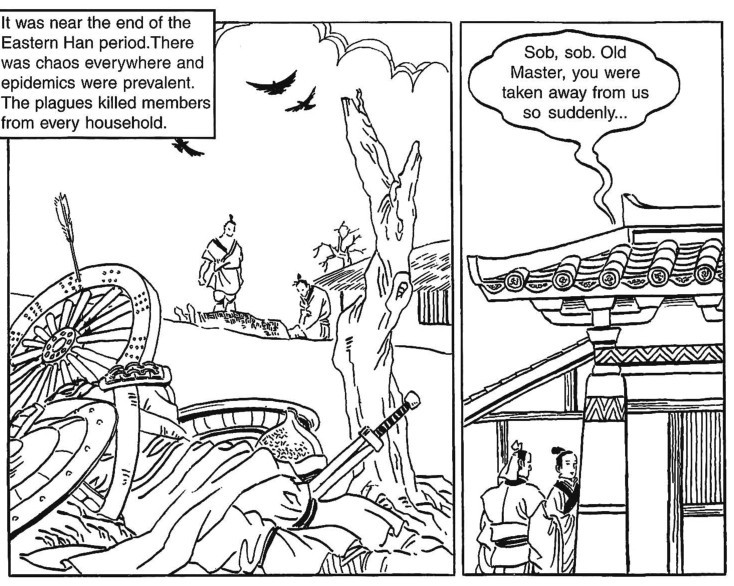
Phần 162
Trang 153
There were more than 200 members in Zhang Zhongjing's clan. But in just a matter of 10 years, two-thirds of his family were dead. Among the dead, 70 percent of them had died of febrile diseases.
This is scary. A plague can destroy an entire family clan. I must study medicine!
He gained much knowledge from reading up on medical classics.
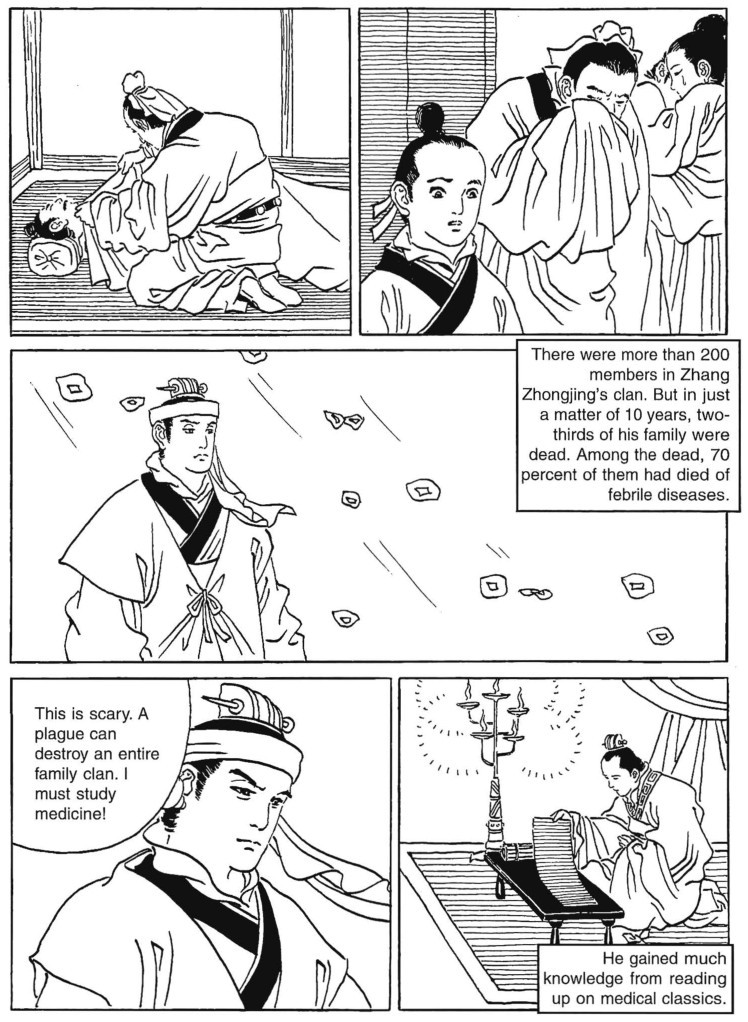
Phần 163
Trang 154
He also collected famous ancient prescriptions and local prescriptions.
He was always in the heart of plague-stricken areas treating the victims.
A physician should save lives and have the heart of a parent. Nothing brings more joy than to see a patient recover.
Other physicians avoided coming here as they are afraid of being infected.
If you hadn't come, we'd just be waiting for our turn to die.
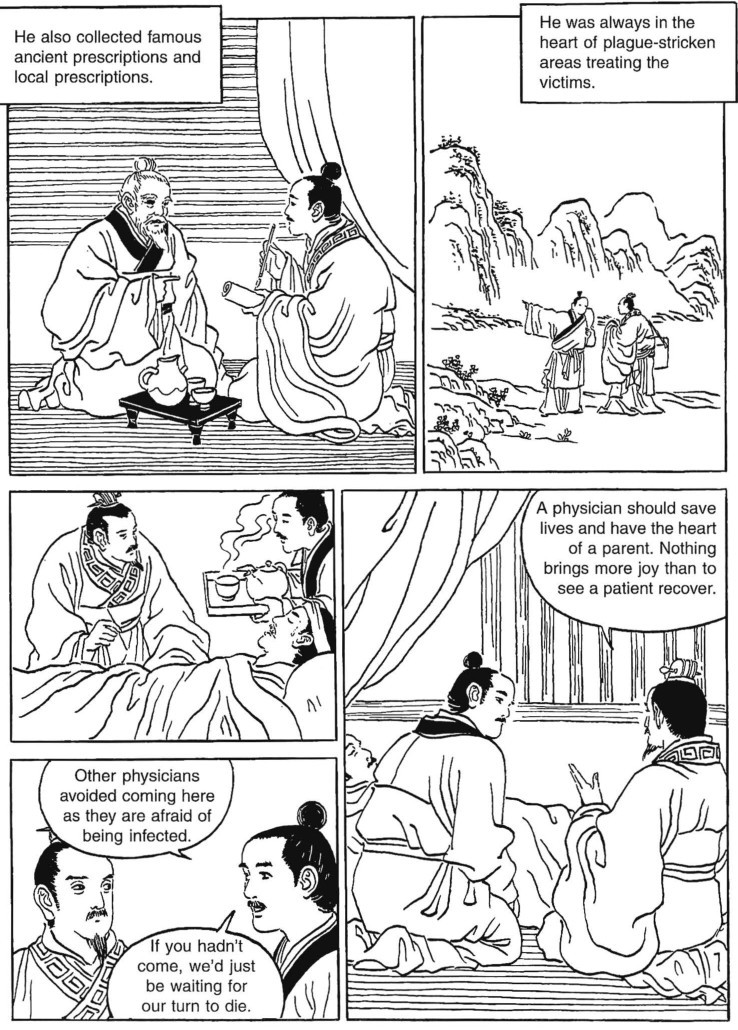
Phần 164
Trang 155
His body became scorching hot after he fell ill.
Physician, what is this plague called? Will it be easy to treat?
A disease like this that strikes during a particular season is a febrile disease.
The treatment must be in accordance with the symptoms.
Physician, if you compile your methods into a book, it will help to save many more lives!
You have a point.
Zhang Zhongjing developed an understanding of the patterns of pathogenic colds and wrote the Treatise on Febrile and Miscellaneous Diseases. The book contained numerous treatment methods and prescriptions. It exerted great influence in the development of medicine among the Chinese people and in the world.
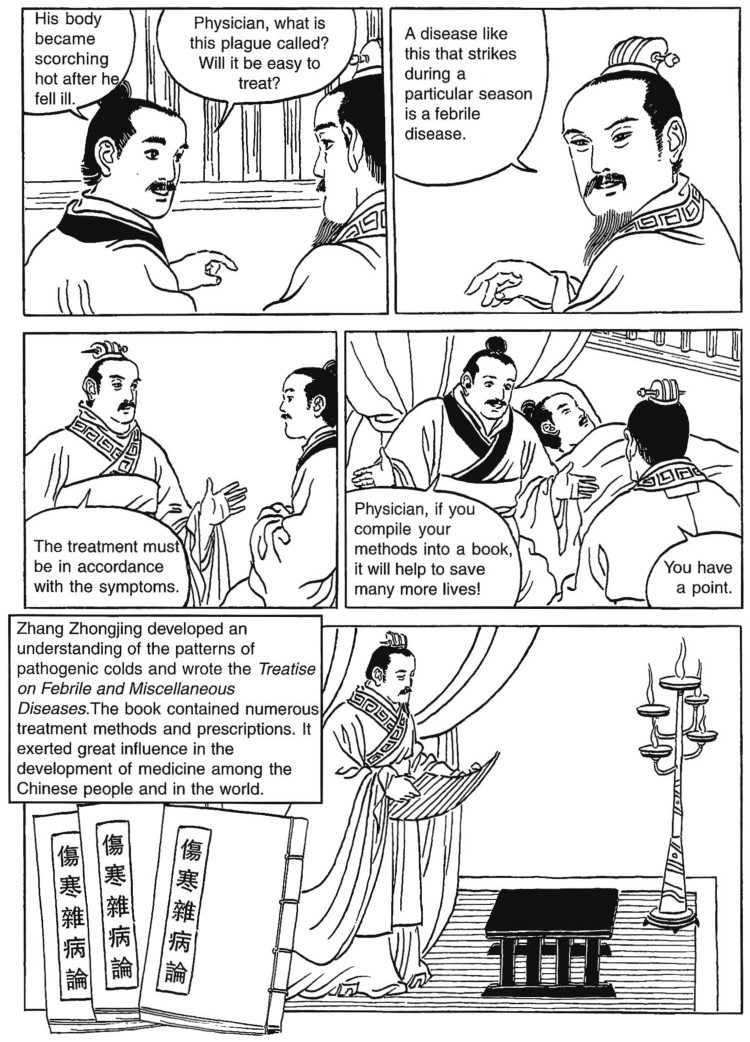
Phần 165
Sun Simiao
Sun Simiao was a famous physician during the Sui Tang Dynasty (581–682). He was a sickly child, yet he lived to 101 years old. Sun Simiao practised medicine for more than 80 years and was hailed as the King of Medicine.
He often picked medicinal herbs on Mount Wutai, which later became known as King of Medicine Mountain. There is even a King of Medicine Temple on the mountain where offerings are made to his statue.
Prescriptions Worth A Thousand Gold for Emergencies (30 volumes) and Supplement to the Prescriptions Worth A Thousand Gold (30 volumes) count among his famous works. The former title covered topics like obstetrics and gynaecology and paediatrics with knowledge culled from his experience, ways to expel poison, emergency diet therapy, cultivation of one's disposition, pulse taking, acupuncture and moxibustion and others. It was hailed as China's earliest medical encyclopaedia. He also introduced the compound prescription in this book, combining two or three classical prescriptions into one to boost its effectiveness, and simplifying some classical prescriptions to treat specific diseases.
Sun Simiao was a forerunner in the study of obstetrics and gynaecology. In the Prescriptions Worth A Thousand Gold for Emergencies, he emphasized gynaecology and paediatrics. He also discovered an effective way of treating flaccidity of the lower limbs, 1000 years before European doctors began studies on treating this disease in 1642. He also pioneered the treatment of localised goitre by using thyroid glands from goats. The use of animal liver to treat night blindness was also one of his many medical breakthroughs.
Sun Simiao placed paramount importance on the cultivation of medical ethics. He believed that excellent medical skills should be accompanied by sincerity of heart. His motto was: "Take decisive action tempered with careful thought, be flexible in according treatment, but never be subjective in one's judgement."
Phần 166
Sun Simiao — The Physician
Sun Simiao:
"A life is worth a thousand taels of gold,
A life-saving prescription is worth more than a thousand taels of gold."
"Nothing is more precious than a person's life. It is worth more than a thousand gold. The merit a life-saving prescription earns is worth more than a thousand gold."
When he was a child, Sun Simiao suffered the ravages of illnesses and appreciated the importance of a physician. His famous works, Prescriptions Worth A Thousand Gold for Emergencies and Supplement to the Prescriptions Worth A Thousand Gold underline the value of life.
The young Sun Simiao was a sickly child and often had to see a physician.
His parents used up almost all their money on medical fees.
We have no more money.
Pawn this bangle and get him a physician.
Phần 167
Trang 158
I'm not the only one who suffers when I fall ill. The people around me also suffer.
I want to become a doctor when I grow up. I will remove the agony of being ill from myself and others.
Sun Simiao was intelligent and industrious. When he was seven, he could already read more than 1000 characters. When he turned 20, he was already versed in the various schools of thought.
He studied famous works by ancient scholars and learnt from medical experts.
Phần 168
Trang 159
He took particular care in collecting simple and proven medical formulae from the common folk as well as their experience in treating diseases.
There is no lack of medical journals. But if an emergency arises, one will not have the luxury of time to pore over these journals.
I have an idea!
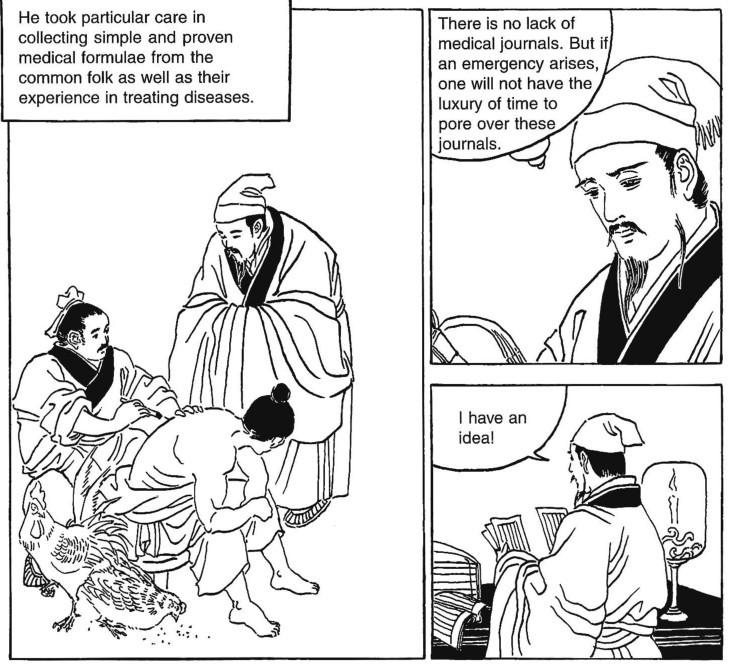
I will categorize the recipes and my medical experience. I will arrange them accordingly and compile them into a book.
That was how Sun Simiao's masterpiece — Prescriptions Worth A Thousand Gold for Emergencies — came about.
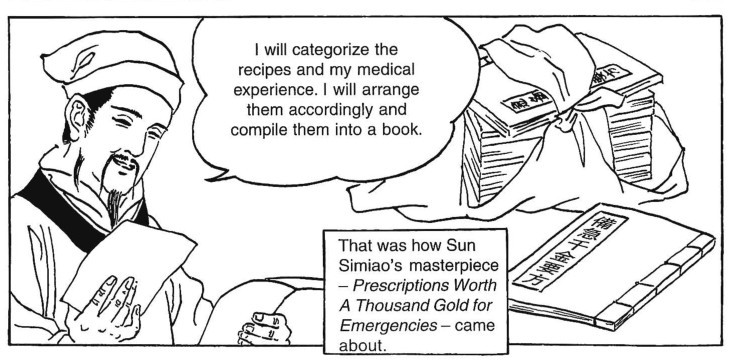
Phần 169
Trang 160
Sun Simiao emphasised the cultivation of medical ethics.
A true physician should be competent in his medical skill and sincere in his interaction with others.
Sun Simiao did not discriminate against the poor. He regarded patients, rich or poor, equally.
Doctor, I have no money to pay you. I'll work for you when I recover by way of payment.
Don't worry about paying me.
Take this silver to go and buy yourself some tonics.
Doctor, let's continue our journey at daybreak.
No, saving a life is akin to putting out a fire! It cannot wait!
No matter how treacherous the journey, whether it was day or night, freezing cold or scorchingly hot, Sun Simiao would not allow any condition to stop him from calling on a sick patient.
In his twilight years, he even wrote the Supplement to Prescriptions Worth A Thousand Gold.
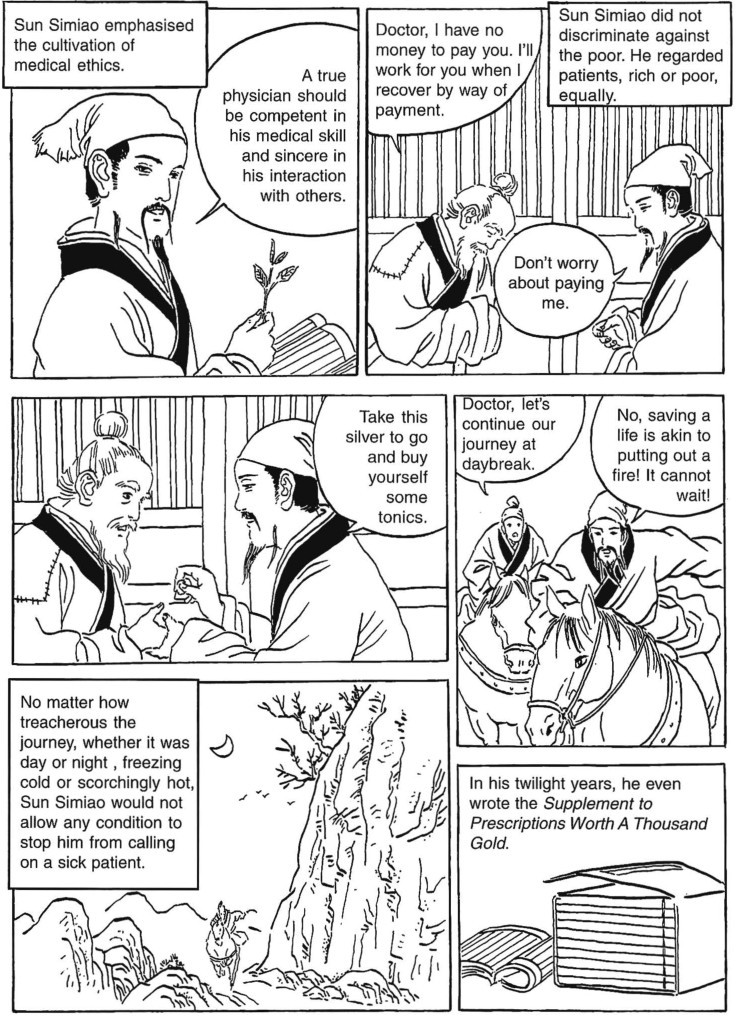
Phần 170
Zhu Danxi
Zhu Danxi was a famous physician who lived during the Yuan Dynasty (1281 – 1358). He was an excellent doctor and very often, one prescription from him would cure the patient. Hence the people called him 'Zhu One-Prescription' and 'Half-Immortal Zhu'.
Zhu Danxi only began to read up on medicine at 30 years of age as his mother suffered from a chronic pain in the spleen. Five years later, he cured his mother of her ailment.
When he was 36, he studied neo-Confucianism under Xu Wenyi. In just a few years, he was known as an erudite Confucian scholar.
When Xu Wenyi fell gravely ill, he advised Zhu Danxi to switch to the study of medicine. Remembering how his own child, wife, younger brother, uncles and other family members had died at the hands of inept physicians, Zhu Danxi gave up his ambition to become a court official and switched to the study of medicine instead.
At that time, the Prescriptions of the Drug Mixing Store from the Song Dynasty given out by the authorities was all the rage. Inept physicians would just lift the medical formulae from the book blindly and prescribe them to patients. Zhu Danxi recognized the limitations of the book. So he studied The Yellow Emperor's Medicine Classic, Difficult Classic and others. He also travelled to other regions and called on renowned physicians. The renowned physician Luo Zhiti took him under his wing, and a few years later, Zhu Danxi had become a top physician with vast knowledge and consummate medical skills.
Zhu Danxi conceived the unique theory of nourishing the yin. It advocates nourishing the yin to lower the fire in one's body. He also opposed the indiscriminate use of pungent and warming medicines and stressed the importance of watching one's diet. His theories had widespread influence. Japanese medical experts specially visited China during the Ming Dynasty to learn from Danxi. Today, Japan still has societies founded on Danxi's teachings.

Phần 171
Zhu Danxi's Theory of Nourishing the Yin to Prepare for Old Age
Zhu Danxi believed that old age illness were due to insufficient yin and excess yang; hence he believed nourishing yin would expel fire and prevent sickness in old age.
"A person who has reached 60, 70 years of age will have depleted much of his vital essence and blood. Even if he is not suffering from poor diet or ill health, he is already suffering from the heat syndrome."
"Wufu pills should not be abused. Avoid wines and oily meat; grilled, smoked and fried food; spicy, sweet and oily food."
"The elderly have a deficiency of the spleen and insufficient yin. Heat in the stomach will cause hunger pangs; a weak spleen means poor food digestion and too much food will put stress on the stomach. Deficiency of yin will cause stagnation of the qi and result in diseases."
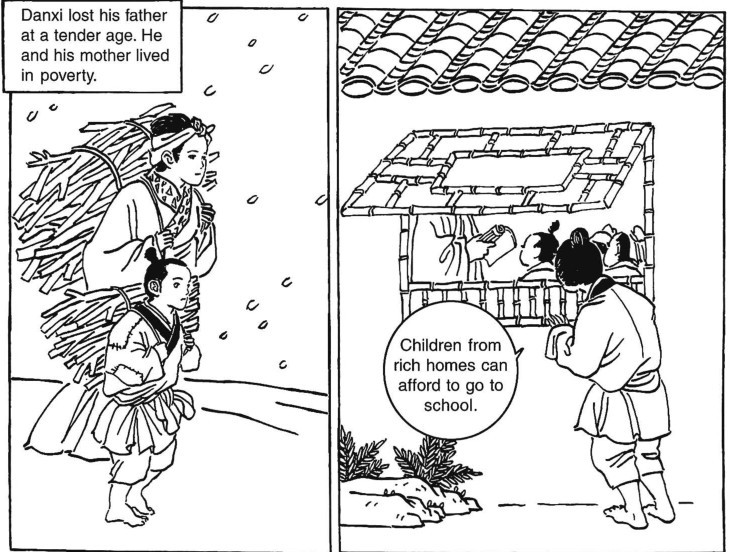
Phần 172
Trang 163
How I envy them. I shall stand outside the window and listen in on the class...
Heaven, earth, man...
Eventually, he came to know more words than the pupils inside.
There was a family in the town that had many books. As he couldn't afford to buy books, Zhu Danxi often borrowed books from the family.
He would even make records of the important pages of the books he read. Within a few years, he had finished reading the entire book collection.
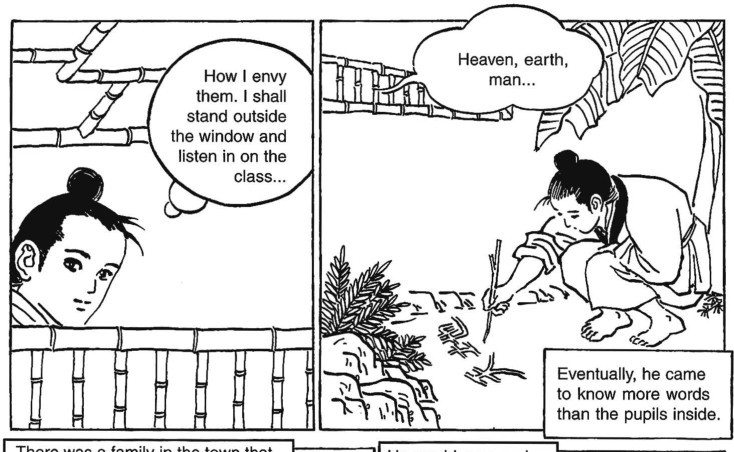
>
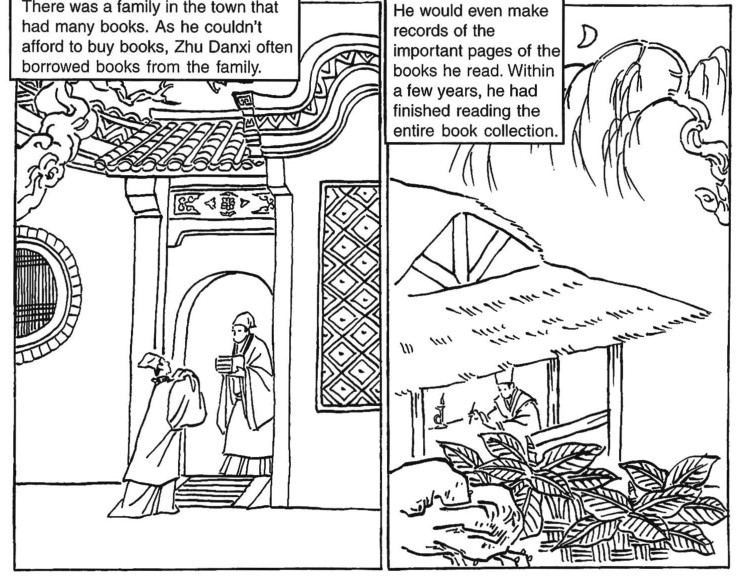
Phần 173
Trang 164
When he was 30, Zhu Danxi's mother fell ill.
Mother is sick. But the physicians are unable to help her.
Let me read up on medical journals and see if I can find a cure.
It took him five years of persistent study before he cured his mother's troubled spleen.
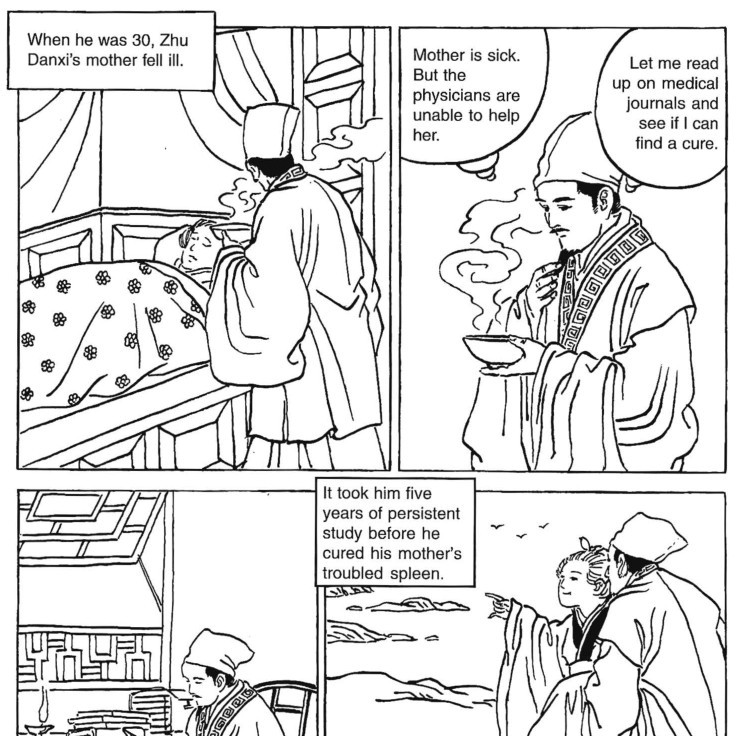
>
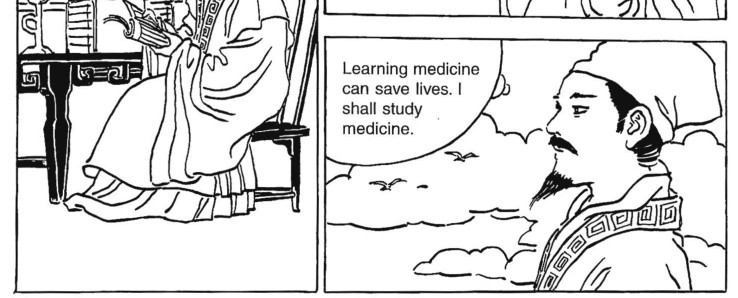
Phần 174
Trang 165
He went to learn from the renowned physician Luo Zhiti.
My master does not impart his medical skills to anyone. Leave. Don't disturb my master again.
Rain or shine, Zhu Danxi went back to Luo's residence more than 10 times.
Zhu Danxi learnt from Luo Zhiti for three years and acquired vast medical knowledge and valuable experience. At the same time, he also developed his theory of 'nourishing the yin'.
His perseverance finally moved Luo Zhiti who made an exception and took him under his wing. At that time, Zhu Danxi was already 44 years old.
Yang is often in excess; yin is often too little.
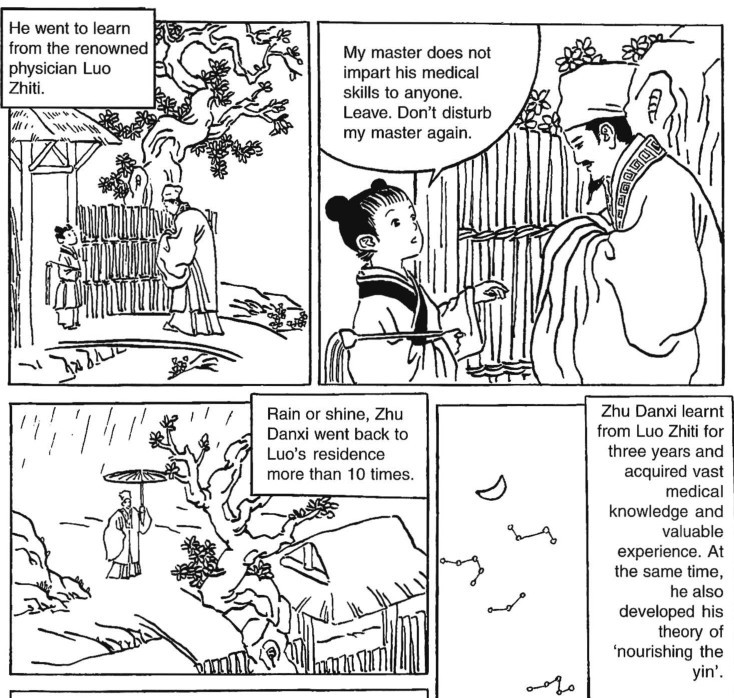
>

>
>
Phần 175
Li Shizhen
Li Shizhen (1518 – 1593), a renowned physician from the Ming Dynasty, spent 27 years compiling the Compendium of Materia Medica — the world-renowned medical masterpiece. The compendium comes in 52 volumes. It contains 1892 Chinese medicines and more than 1000 illustrations. It is a compilation of China's 2000 years of medicinal knowledge.
In the process of writing the compendium, Li Shizhen often made personal observations and travelled to the deep mountains and vast grasslands to study and collect samples of medicines. He also learnt from more experienced persons in the area of medicine. Through his research, he debunked misconceptions about certain drugs and their uses.
For example, langmei was widely believed to be an immortal fruit that would bestow eternal youth. Li Shizhen personally picked the fruit and tried it for himself. He discovered that it was just a mutated fruit of the elm tree with no special properties.
Pangolins were used as a medicinal drug. Earlier books had claimed the pangolin could live both on land and in water. It would feign death on land during the day and spread open its scales to lure ants into it, then go back into the water and spread open its scales to release the ants. When the ants floated to the water surface, it would swallow them as food. To verify this claim, Li Shizhen approached hunters who lived in the mountains. He found out that pangolins actually attacked ants' nests and ate them by sticking their tongue out.
With his scientific and meticulous approach, Li Shizhen completed the Compendium of Materia Medica and made right many errors made by the forefathers of medicine. He also made significant contributions in the categorisation of plants and other related sciences (biology, chemistry, geology, mineralogy). The Compendium of Materia Medica has been translated into many languages and helped advance traditional Chinese medicine in the medical field.
Phần 176
Medicinal diets in the Compendium of Materia Medica
Li Shizhen stressed medicinal diets to preserve health. Many medicinal food recipes were recorded in the Compendium of Materia Medica. Among the recipes was medicinal congee.
Ingredients: Walnut 60g, Millet 100g
Method: Crush the walnuts with the shells. Add some water and cook the millet into congee. Add the crushed walnut and cook until a film of oil forms on the surface of the congee. The congee should be taken warm twice a day.
Functions: It nourishes the kidneys and acts as an astringent for the lungs. It also moistens and replenishes the spleen and stomach.
Li Shizhen's grandfather and father were physicians. As a child, he saw for himself how the sick suffered.
Shizhen, what do you want to do when you grow up?
I want to be a physician like you. I want to save lives.
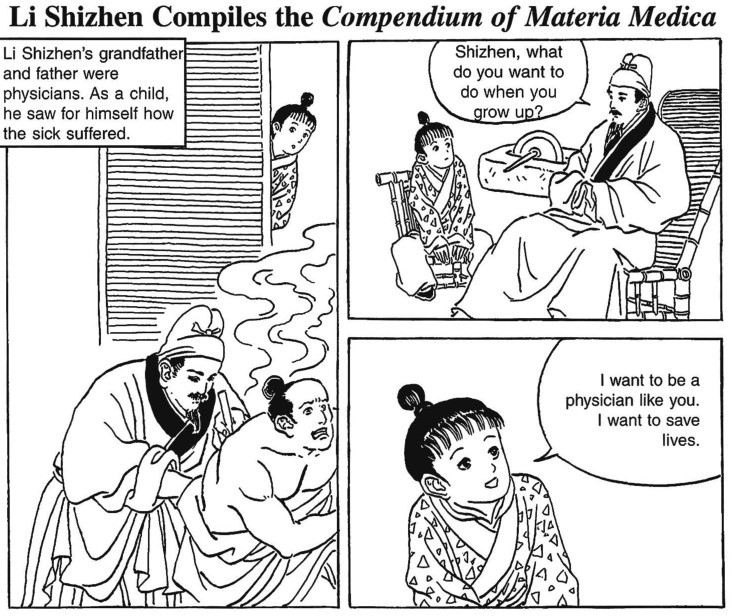
Phần 177
Trang 168
Shizhen, medical practice is not easy. I want you to study and be a court official one day.
Li Shizhen did not dare defy his father's wishes. He sat for the scholar's examination when he was 14.
But he still failed to make the grade after three attempts.
Father, I don't think I am made for the office. Let me study medicine.
All right. Perhaps this is fate.
And so Li Shizhen learnt medicine from his father.
At the same time, he also studied neo-Confucianism and history. After 10 years of hard work, Li Shizhen became a well-known physician in his town.
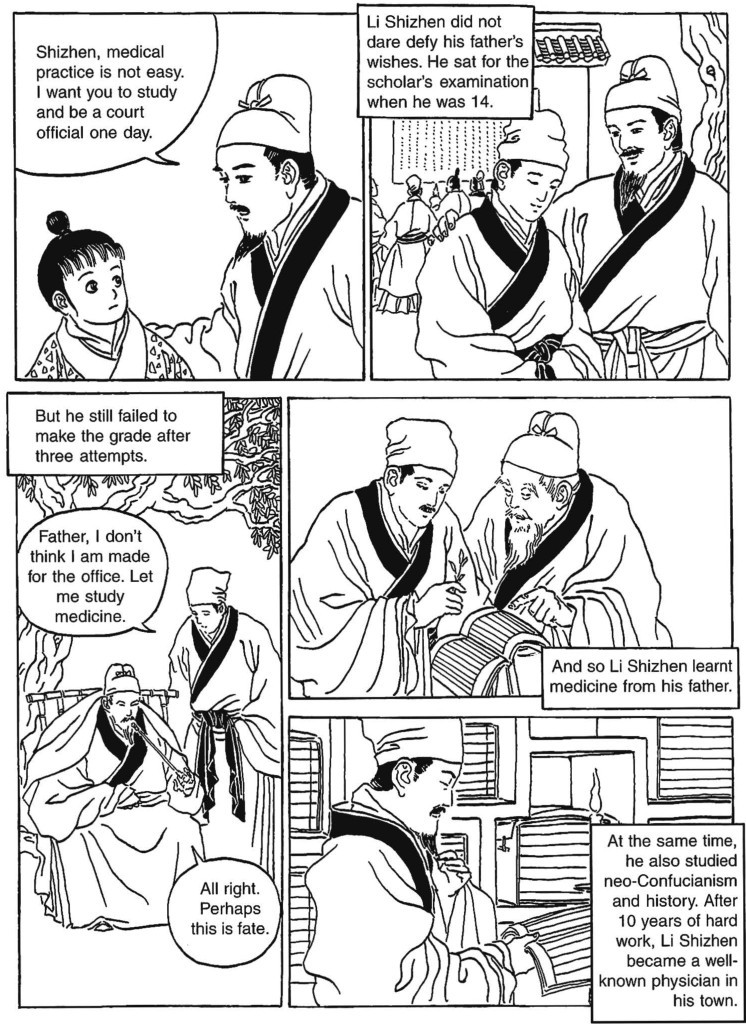
Phần 178
Trang 169
During the reign of Jiajing in the Ming Dynasty, Li Shizhen was summoned to the prince's residence. Shortly after, he was recommended to be an imperial physician.
"Saving lives requires me to be among the people." A year later, Li Shizhen resigned from office and returned to his hometown.
During his practice, he discovered many errors in earlier medical journals.
"Ah! These errors may prove fatal. Besides, many of these ancient records on medicine are no longer relevant today."
"I'll have to compile a new medical journal."
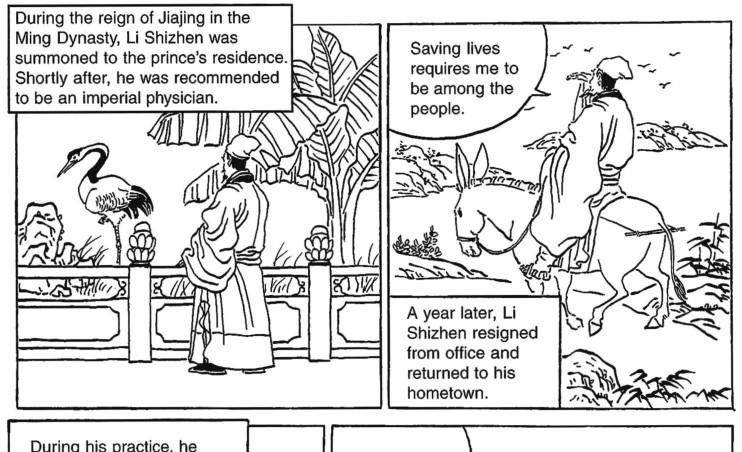
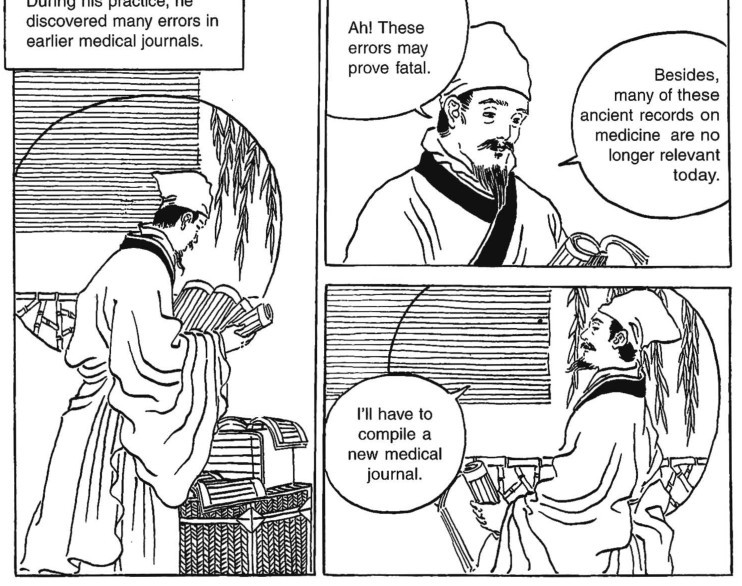
Phần 179
Trang 170
In order to do a good job, Li Shizhen pored over 800 books including history, astronomy, medicine, astrology and others. He also travelled to many places like Henan, Hebei, Jiangnan, Hunan, Jiangsu and Anhui.
He consulted countless old farmers, fishermen, carpenters and hunters, collating medical knowledge and experience from the common folk.
He would travel into the mountains in the day and spend the night in a deserted temple or house to classify the samples he had collected and make illustrations of them.
With his unwavering determination, Li Shizhen finally completed the Compendium of Materia Medica after 27 years. This medical classic remains a timeless treasure.
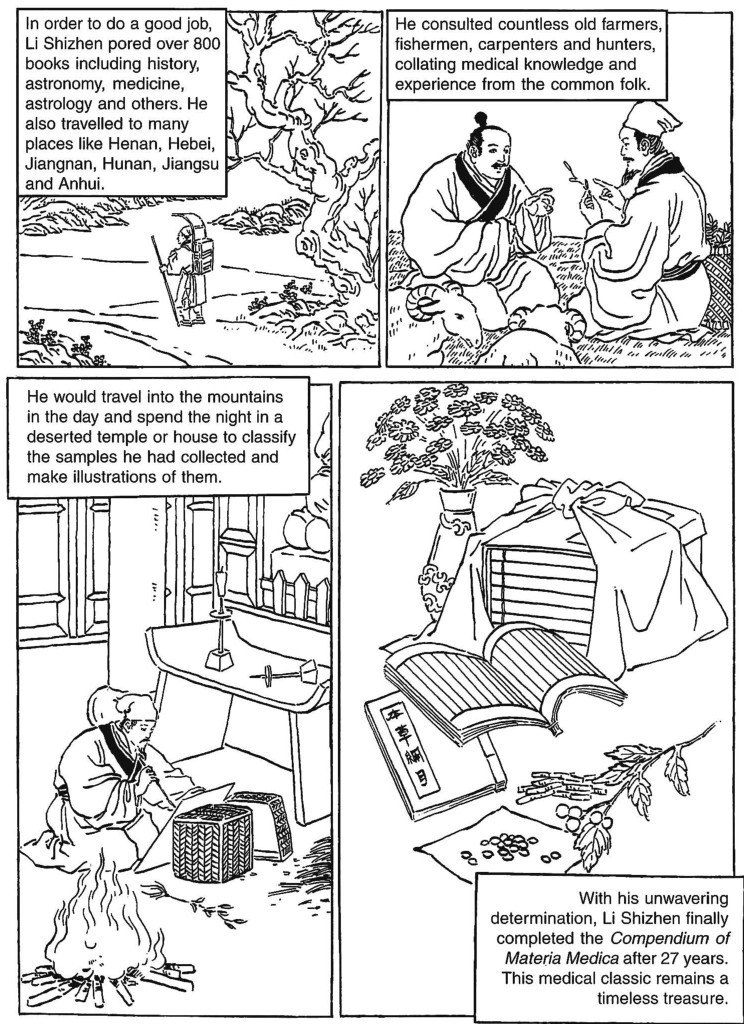
Phần 180
Ancient Female Physicians
China had many female physicians too!
But very little was written about them. That is why few people know about them.
This female physician of the Han Dynasty was an expert in obstetrics and gynaecology. It is said she helped the Empress of her time during childbirth.
A female physician during the Jin Dynasty. She was the wife of the famous academic Ge Hong. She learnt about medicine from her father and husband. She travelled widely to practise medicine and was especially good at moxibustion. The people later built a temple in her honour as a token of their gratitude towards her.
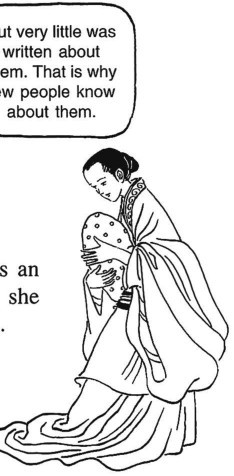
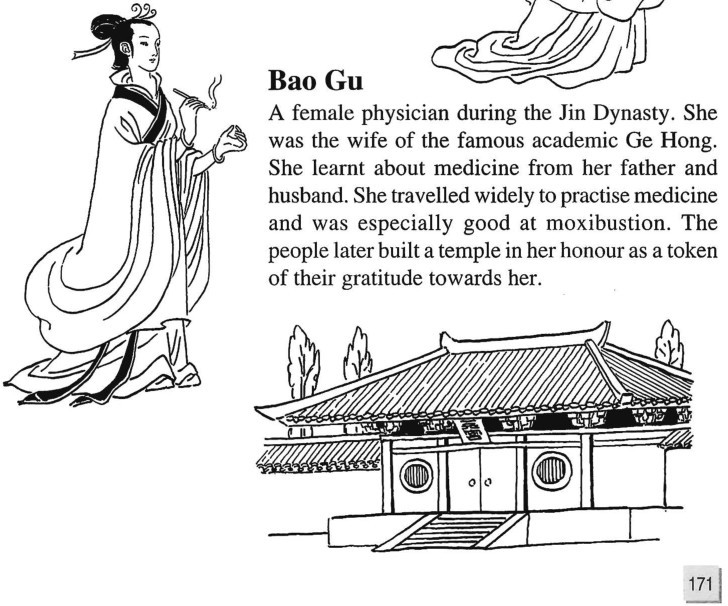
Phần 181
Zeng Yi
The Qing Dynasty female physician wrote the Gu Huan Shi Volume in three parts — Book on Females, Book on Medicine and Book on Poetry and Prose. The Book on Medicine discoursed on pulse, colour of tongue, acute infectious febrile diseases, pathogenic wind, pathogenic cold, obstetrics and gynaecology, paediatrics and surgery.
Zeng Yi was struck by epidemics four times. So she had a personal knowledge of pathogenic cold and symptoms of acute infectious febrile diseases as well as their respective treatments. She often made up her own prescriptions and was adept at it. Zeng Yi was also very particular about teaching the people about personal hygiene. She recommended rest to preserve mental strength, breathing fresh air to preserve the lungs and frequent exercise to promote blood circulation. Zeng Yi may be considered the greatest female physician in ancient China.
Chinese medicine is not a male-dominated field. Female doctors have also made contributions.
Phần 182
Modernisation of Chinese Medicine
The unique theories, diagnostic methods and treatment in traditional Chinese medicine contrast greatly with western medicine. In order to stay relevant in the modern-day context, besides preserving the best of its traditions, traditional Chinese medicine has gradually embarked on the road towards modernisation.
Phần 183
Diagnosis goes hi-tech
Besides employing the four traditional methods of diagnosis, modern traditional Chinese medicine has also started to adopt technological devices to aid in the diagnostic process. There are diagnostic devices for analysing the acupoints and research is being conducted on an automated system for pulse diagnosis.
The Electrodermal Screening Device (EDSD) is one of the electronic gadgets that was designed to read the systems of collaterals and meridians and acupoints in traditional Chinese medicine. The doctor measures the electrical resistance on an acupoint with a pen-like tool while the patient holds a hand electrode to complete the circuit with the EDSD. This way, he will be able to find out the condition of the patient's internal organs, hormonal releases and others.
Experts in China and Hong Kong have also created a programme to collate and store countless pictures of patients' tongues in the computer. The computerised images will be further classified based on the colour and coating on the tongue. Reference material is then entered in the computer. The result is a programme that diagnoses diseases based on the condition of the tongue.
The use of computers is widespread in today's world. Chinese physicians have also begun to enter a patient's medical history and medication records into the computer. This greatly aids in recalling the patient's records and shortens the waiting time for a patient to see the doctor as well as the prescription of medication.
Phần 184
Chinese medicine in concentrate form
Chinese medicine often takes a long time to prepare. These days, Chinese medicine can be processed into a powder form with a strength from five to 15 times as concentrated. This not only ensures that the taste and efficacy of the medicine remains unaffected, it is also more economically viable.
Some medical halls also stock bottles of Chinese medicine concentrate. The pharmacist will dispense the concentrate based on the prescription given to him by the physician through the computer. The required quantity will then be packed in smaller bags and sealed before being dispensed to the patient.
Chinese medicine in concentrate form and the prepared Chinese medicine we see in medical shops are different. The prepared Chinese medicine that we see are actually just compressed Chinese medicine in powder form.
The concentrate form of Chinese medicine involves a complex and stringent process where the essence of the active components has been extracted and treated.
To make things easier for the patients, some hospitals have installed special equipment to prepare Chinese medicine. High-pressure cookers will decoct the medicine before it is vacuum-sealed. Patients only have to reheat the medicine on reaching home before taking it. It is a fast and convenient system and has done away with the time-consuming decoction of medicine.
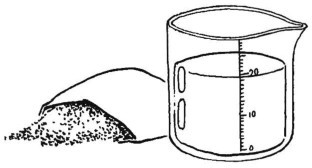
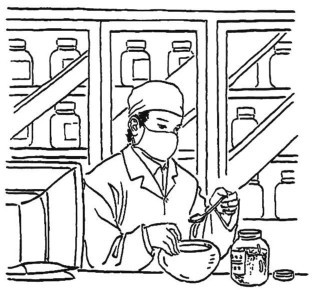
Phần 185
East meets West
Many integrated hospitals now offer both Chinese and western treatments to patients. They marry the two methods for greater efficacy in treating diseases. Some people have even called the modernisation of Chinese medicine and the marriage of Chinese and western medicine the Third Medical Science. This greater exchange of knowledge and learning between Chinese and western medicine will only benefit the human race.
Recent years have seen a trend towards returning to nature. Developed countries like European nations and the US have begun to take notice of natural herbs and Chinese medicine. Where in the past Chinese medicine had been considered unscientific and behind the times, it is now gaining new respect in the modern medical field. Research has proven many traditional remedies to be effective.
At present, more than 120 countries have set up organisations for various schools of alternative medicine, including traditional Chinese medicine. Increasingly, people are willing to accept the methods of treatment and health care practised in traditional Chinese medicine. More western countries have developed an interest in researching this ancient science, and many foreign students have gone to China to study it as well.
Phần 186
The Trademark of Chinese Medicine - The Yin-Yang Fish
What shop is this? A string of medicinal plasters hangs on either side of its doorpost.
This is a medical shop. Do you see the fish below the medicinal plasters?
The dark fish on the left represents yin while the right white fish represents yang. Put together, they become the yin-yang fish.
Also known as the Taiji (Grand Ultimate) Diagram, it's the emblem of traditional Chinese medicine.
This shows that Chinese medicine is based on the principles of yin and yang.
It also serves to liken doctors and medical shops to fish. Like fish which keep their eyes open day and night, the former two are also always ready to serve the sick.

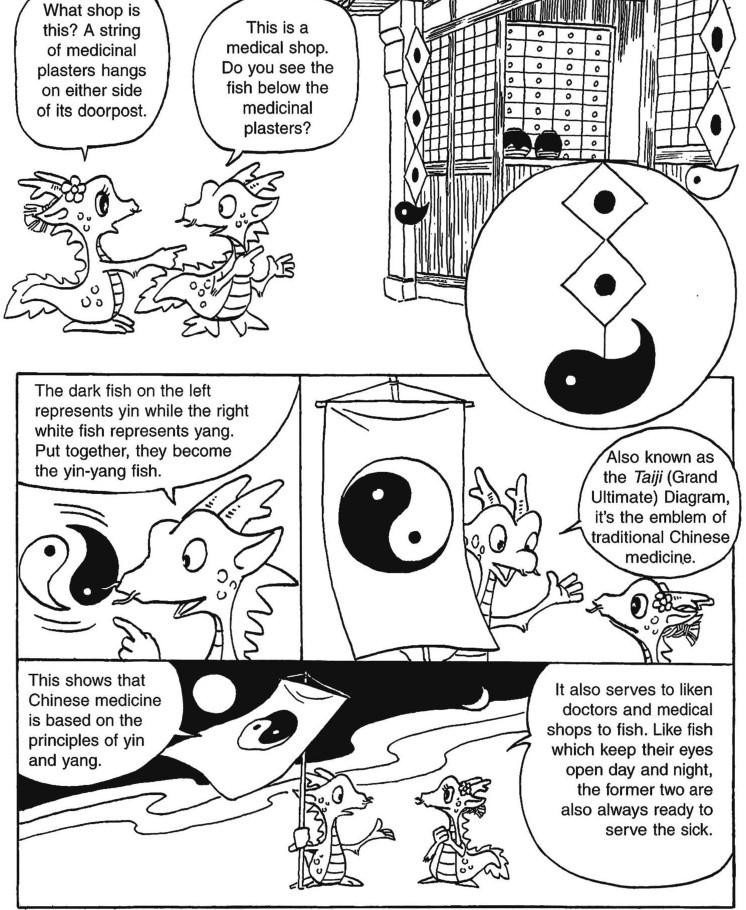
Phần 187
Syndrome versus Symptom
We talked about the Eight Principal Syndromes in the earlier part of the book. The focus of traditional Chinese medicine is on the 'syndrome' as a whole rather than as 'symptoms'.
A symptom refers to the external manifestation of a disease, such as headaches and fevers. A syndrome takes into account the conditions caused by the disease, its nature, the affected areas and the relationship between disease-causing factors and the energies in play in the patient. A syndrome thus takes a wider and more comprehensive look at a disease.
Chinese medicine follows a four-part methodology in diagnosis: observation, auscultation and olfaction, interrogation and pulse taking. The four steps of diagnosis are first used in consultation and the results derived are put together to arrive at a diagnosis based on an analysis of the symptoms and signs. Next, the treatment prescribed will be based on the diagnosis.
Hence, traditional Chinese medicine works on the 'syndrome' and not the 'symptom'. That is why patients suffering from similar symptoms which do not share the same syndrome will be given different treatments. Conversely, differing symptoms that share the same syndrome will be given the same treatment.
Phần 188
Appendix
In February 2003, reports began trickling in about an outbreak of a mysterious atypical pneumonia in China, which had already infected 300 people and claimed five lives. Soon, it was spreading through Asia, and in March, the World Health Organisation (WHO) issued a global alert on what was becoming known as Severe Acute Respiratory Syndrome (SARS).
The WHO began a global surveillance on cases of atypical pneumonia as cases continued to appear in other countries in Europe, Asia and the Americas. By the time the epidemic finally ended in July, the virus had claimed 916 lives out of a total number of 8422 infected persons*.
Though SARS is a new disease, traditional Chinese medicine has acquired much experience in fighting epidemics and diseases of a similar type through the ages, as evidenced by Zhang Zhongjing's Treatise on Febrile and Miscellaneous Diseases, written well over 17 centuries ago.
In China, where the disease infected the greatest numbers, traditional Chinese medicine was combined with Western treatments to good effect. It was found to be most effective when started in the early stages of the disease, and in helping patients regain their strength during the recovery stage.
Here, in addition to acting directly to treat the disease, traditional Chinese medicine also helped to relieve pain, nausea and other side-effects of the Western treatments, especially as some of the Western medications used to suppress the virus also affected the body's own immune functions and caused the patient to become more susceptible to secondary infections from other pathogens.
*From the WHO summary: www.who.int/csr/sars/en/. Last updated 7 August 2003.
Phần 189
Defending against the threat of SARS
Though the SARS virus is in abeyance for now, some experts are concerned that the virus may return in the winter months, when the climate turns cooler again. Traditional Chinese medicine offers many preventive measures that can be taken to minimise your chances of succumbing to the disease.
In traditional Chinese medicine, SARS is classified as belonging to the heat syndrome with interior dampness, which act together to injure the qi in the lungs and bodily fluids quickly. Thus, treatment is centred on relieving internal heat, removing dampness, building qi and promoting the flow of fluids to detoxify the body.
Here are some tonic recipes to boost your immunity while reducing heat and dampness, taken from various websites on Chinese medicine.
Honeysuckle 30g, woad root 10g, holly fern rhizome 10g, almond 10g, balloonflower root 10g, lilyturf root 15g, tangerine peel 6g, fresh liquorice 6g, chrysanthemum 6g.
Boil in 300ml of water for 15 minutes to condense it into 100ml. Take twice a day, morning and evening.
Milkvetch root 10-12g, baishu 9g, ledebouriella root 6g, Japanese honeysuckle 9g, forsythia fruit 9g, reed rhizome 15-20g, mint 6g, platycodon root 6g, stir-baked liquorice 5g.
One dose a day, taken warm. Continue twice a day for five consecutive days.
Cangshu 12g, baishu 15g, milkvetch root 15g, ledebouriella root 10g, giant hyssop 12g, glehnia root 15g, Japanese honeysuckle 20g, holly fern rhizome 12g.
Boil in water. Consume twice a day for seven to 10 consecutive days.
Fresh reed rhizome 20g, Japanese honeysuckle 15g, forsythia fruit 15g, cicada slough 10g, white-stiff silkworm 10g, mint 6g, fresh liquorice 5g.
Boil in water and drink as a tea. Continue for seven to 10 consecutive days.
Rhizome of cyrtomium 10g, Japanese honeysuckle 10g, forsythia fruit 10g, woad leaf 10g, suye 10g, kudzu vine root 10g, giant hyssop 10g, cangshu 10g, eupatorium 10g, pseudostarwort root 15g.
Boil in water and take twice a day for seven to 10 consecutive days.
Honeysuckle 15g, forsythia fruit 15g, schizonepeta 15g, woad root 15g, houttuynia 30g, ledebouriella root 12g, mint 12g, skullcap root 12g, wild chrysanthemum 15g, liquorice 6g.
Soak for 30 minutes and bring to boil over a slow fire (add mint 10 minutes later) for 15 minutes. Take in three doses over three days.
Phần 190
Acupressure and moxibustion
The zusanli acupoint, which can be found in both legs, strengthens the spleen and removes dampness.
- Light the moxa and place the moxa stick on the zusanli acupoints on both legs for five to 10 minutes.
- Do it one or two times a day for five consecutive days.
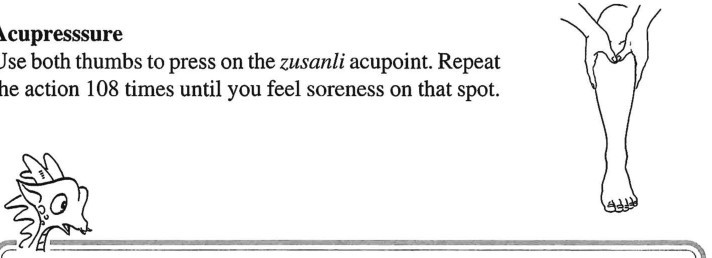
The zusanli acupoint is on the outer leg, three inches below the knee-cap. It is about one finger-breadth away from the front of the shin-bone.
Before taking any medicine, it is best to consult a physician first to make sure it suits your constitution. Remember, do not consume more than what is necessary! Also, moxibustion should only be carried out by professionals.
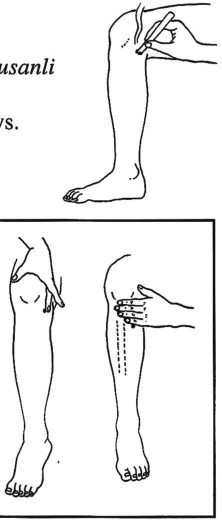

Phần 191
CHINESE MEDICINE RESOURCES DIRECTORY
Singapore Chinese Physicians' Association
640 Toa Payoh Lorong 4
Singapore 319522
Tel: 65-6251 3428, 65-6251 3304
Fax: 65-6254 0037
website: en.singaporetcm.com
Singapore Association for Promoting Chinese Medicine
10 Lorong 9 Geylang
Singapore 388758
Tel: 65-6842 5470
Fax: 65-6741 3301
The Singapore Chinese Medical Union
21 Tyrwhitt Road
#05-04, Foo Chow Building
Singapore 207530
Tel: 65-6296 2645
Fax: 65-6536 5520
Singapore Acupuncture Association
60 Paya Lebar Road
#05-08, Paya Lebar Square
Singapore 409051
Tel: 65-6452 2988
website: www.acupuncture.org.sg
Society of Traditional Chinese Medicine (Singapore)
BIK 333 Kreta Ayer Road #01–12/13
Singapore 080333
Tel: 65-6323 0898/6225 2246
website: www.society-tcms.org
The Medicine Manufacturer Association of Singapore
132 Neil Road
Singapore 088861
Tel: 65-6224 5379
website: medmfg.org.sg
Singapore Chinese Druggists Association
119 Tyrwhitt Road
Singapore 207547
Tel: 65-6298 4740
Fax: 65-6299 3528
website: scda.org.sg
Singapore Chinese Drug Importers & Exporters Guild
151 Chin Swee Road
#15-02, Manhattan House
Singapore 169876
Tel: 65-6735 2983
Singapore Chinese Physicians' Training College Alumnus Association
Toa Payoh Central
P.O. Box 134
Singapore 913105
Tel: 65-6569 3905
Fax: 65-6256 3608
Singapore Chinese Medicines and Health Products Merchant Association
346A King George's Avenue
Singapore 208577
Tel: 65-6293 8019
Fax: 65-6293 5803
website: www.tcm.org.sg
Singapore Thong Chai Medical Institution
50 Chin Swee Road
Thong Chai Building #01-01
Singapore 169874
Tel: 65-6733 6905
Fax: 65-6733 3552
website: www.stcmi.org.sg
Singapore Chung Hwa Medical Institution
No. 640 Toa Payoh Lorong 4
Singapore 319522
Tel: 65-6251 3304
Fax: 6254 0037
website: www.chunghwamedicalinstitution.com
Traditional Chinese Medicine Practitioners Board
website: www.healthprofessionals.gov.sg/content/hprof/tcmpb/en.html
Phần 192
CHINESE MEDICINE COURSES
Singapore College of Traditional Chinese Medicine
640 Toa Payoh Lor 4
Singapore 319522
Tel: 65-6250 3088
Fax: 6356 9901
website: www.singaporetcm.edu.sg
Professional courses in Chinese medicine.
TCM College (Singapore) Pte Ltd
371 Beach Road #02-37 Keypoint
Singapore 199597
Tel: 65-6227 9969
Fax: 65-6299 3294
Training school for Chinese Medicinal Materials Dispensers.
This listing is intended to be a resource for anyone with an interest in traditional Chinese medicine. If you wish to have your organisation or company included, please submit the name, address and contact information for your organization in English and Chinese. Listing is free. Thank you!
Fax: 6392 6455
Email: asiapacbooks@pacific.net.sg
Greater China Herbs
www.greaterchinaherbs.com
In English, Chinese, Japanese and Korean. It offers diet therapy, medicinal diets, tips on healthcare etc.
Traditional Chinese Medicine Basics
http://www.tcmbasics.com/
Learning resource for traditional Chinese medicine, with introductions to many fundamental theories.
Comprehensive Services of Traditional Chinese Medicine
http://www.tcmtreatment.com/
Online sale of books and herbs, with explanations and treatment advice for common ailments and an introduction to commonly used herbs.
Qi: The Journal of Traditional Eastern Health and Fitness
http://qi-journal.com/
Information on traditional Chinese medicine, including acupuncture, qigong, herbs, taijiquan. Also contains sections on Chinese culture and philosophy.